Groups

Advanced Materials and Molecular Design
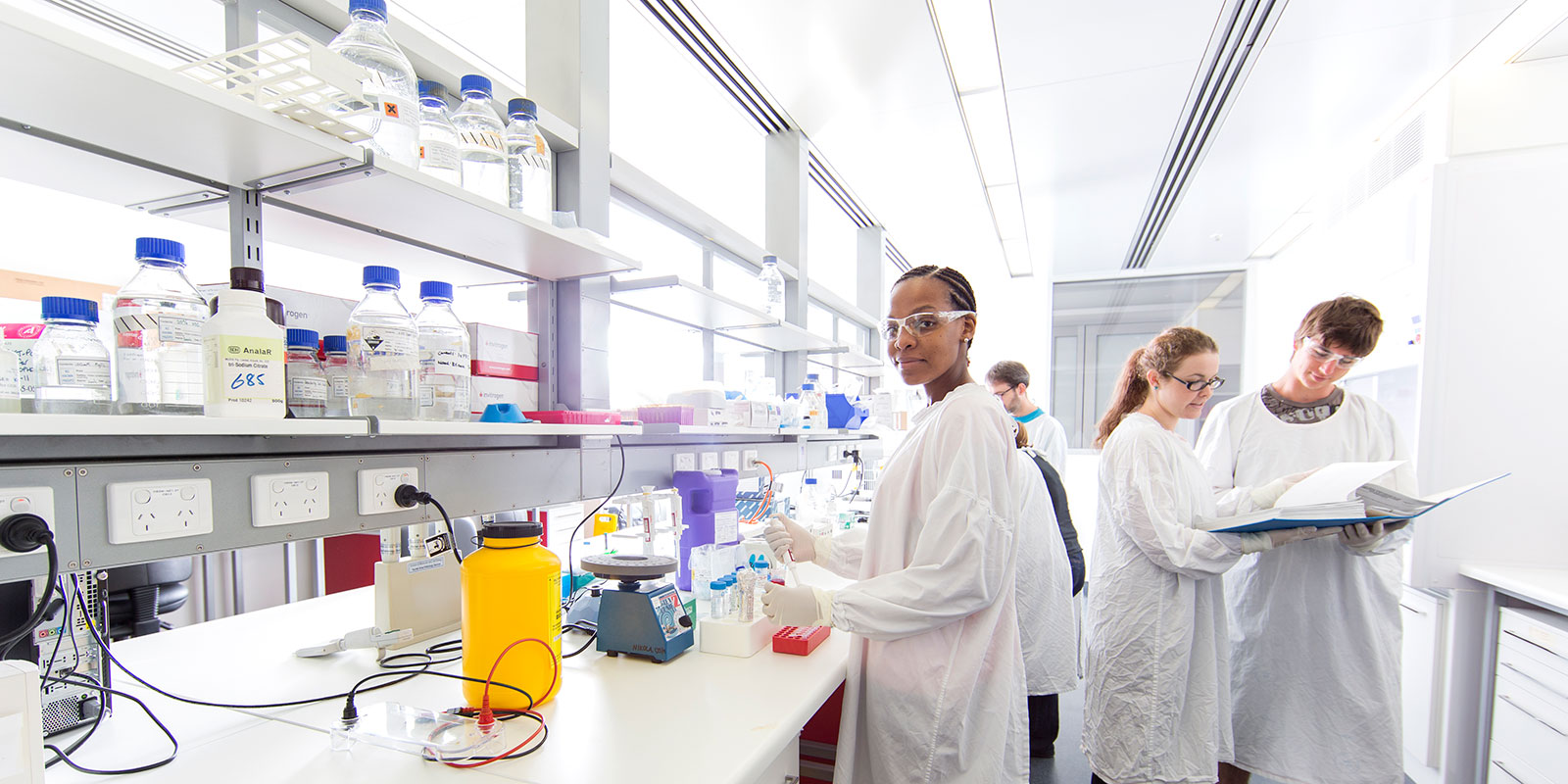
The Advanced Materials and Molecular Design Research Group is built on excellence in chemical research and research-led teaching of chemistry. We design and develop cutting-edge molecules and advanced materials. Chemistry is the central science and underpins almost all modern technologies; it is expansive in nature and highly innovative.
Alternative Housing
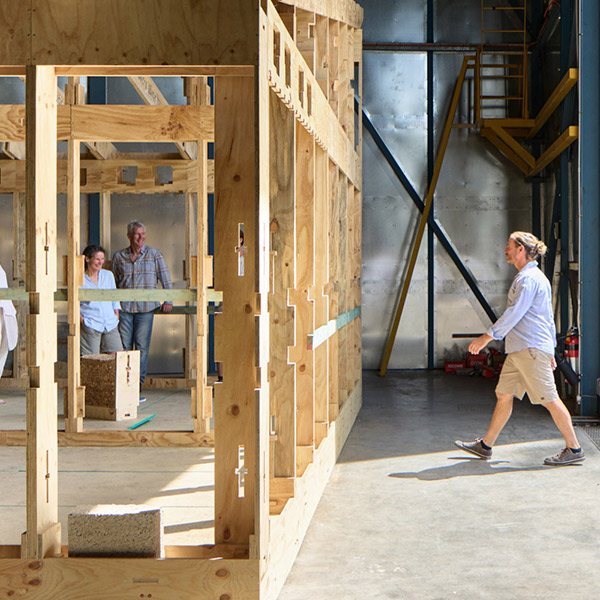
The Alternative Housing Research Group (AHRG) is led by researchers at the School of Architecture and Built Environment, from the disciplines of Architecture and Construction Management.

Applied and Industrial Mathematics
Our vision is to be a leading hub in industrial and applied mathematical research, driving innovation, developing industry connections, fostering interdisciplinary collaboration, and training applied mathematicians.

Built Environment Practices
The built environment shapes how people live, work, and connect – yet the way it is delivered is becoming increasingly complex.

Circular Economy and Sustainable Construction
The Circular Economy and Sustainable Construction (CESC) group is a multidisciplinary research team advancing innovation in sustainable building.

Complexity and Transdisciplinary Collaboration Lab
Transdisciplinary approaches are urgently needed to address the world's most complex problems – climate change, antibiotic resistance, economic instability, global pandemics, and more. For these problems, disciplinary expertise, by itself, is no longer sufficient.

Critical Infrastructure Performance and Reliability (CIPAR)
The CIPAR group has a strong national and international reputation within the academic community and industry, with an emphasis on infrastructure resilience.

i3 Lab
i3Lab is the University of Newcastle's Human-Computer Interaction (HCI) research centre, dedicated to advancing technology that puts people first.

Interdisciplinary Machine Learning
The Interdisciplinary Machine Learning Research Group conducts research at the intersection of machine learning, AI, pattern recognition, and topological data analysis.

Newcastle Cognitive Science
The Newcastle Cognitive Science Research Group investigates how people think, decide, and act in complex environments.

Newcastle Robotics Laboratory
The Newcastle Robotics Laboratory is an interdisciplinary research and training initiative of several robotics related research teams from different research areas including applied mathematics, architecture, computer science, control, electrical engineering, neuroscience, mechatronics and software engineering.

Psychology at Work
The Psychology at Work (PAW) Research Group brings new insights from the science of psychology to address complex work problems.

Secure and Reliable Communications
The Secure and Reliable Communications Research Group aims to design communication systems that can resist interference and noise, protect against security and privacy threats, connect millions of devices, and sense the environment through wireless signals.

Sustainable Food Innovation
The University of Newcastle’s Food Science Research Group combines active research scientists involved in food, plant and marine science, human nutrition and agribusiness, delivering quality research and research education opportunities of relevance to the sector.
College contacts

General enquiries
-
AskUON
Phone: +61 2 4921 5000
The University of Newcastle acknowledges the traditional custodians of the lands within our footprint areas: Awabakal, Darkinjung, Biripai, Worimi, Wonnarua, and Eora Nations. We also pay respect to the wisdom of our Elders past and present.