


SDGs 101
We offer a range of courses on topics such as mental health, health, sustainable development, and personal planning. These courses aim to help people, groups, and communities through education and training.

Sustainable Development Goals (SDGs) and Business
This microlearning aims to explain how the sustainable development goals (SDGs) can support business growth and how different organisations benefit from the SDGs in many different ways. The 17 SDGs are all interactive in their nature and they individually contribute towards progress in a cohesive approach.

The importance of Business for the Sustainable Development Goals (SDGs)
This microlearning aims to explain the importance of business towards the success of sustainable development goals (SDG). This video explore how small, medium and large business should be supported in making decisions that can effectively contribute towards achieving the SDGs.

Understanding the United Nations Sustainable Development Goals (SGDs)
This microlearning aims to explain the origin of the SDGs. In September 2015, all 193 countries came together for a historical occasion, to formally adopt and commit to a shared vision that must be achieved by 2030. These are the 17 SDGs with 169 targets which are a plan to build a sustainable future in which we will all live.

Podiatry in Everyday Life
This microlearning aims to explain how Podiatrists can help prevent complications that can impact people’s quality of life, physical activity, and most of all how Podiatrists can keep you pain-free.
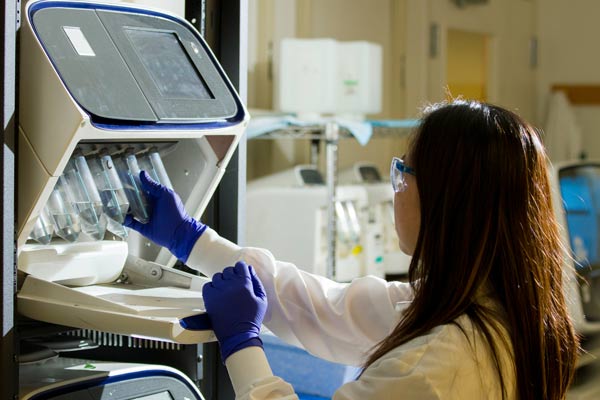
Mental Illness in Medical Students
This microlearning aims to explore the important topic of mental health and medical students. Evidence highlights the growing prevalence of psychological distress and burnout within medical students. This video also provides some useful recommendations and who to contact in case of need.

Managing Fear of a Disease Coming Back or Getting Worst
This microlearning covers the important topic of how to manage fear of a disease coming back or getting worse, how people experience fears and how they may impact daily quality of life. Prof Butow will also explain what make fear worse and provide evidence base practice recommendations on how to best cope with these difficult situations.
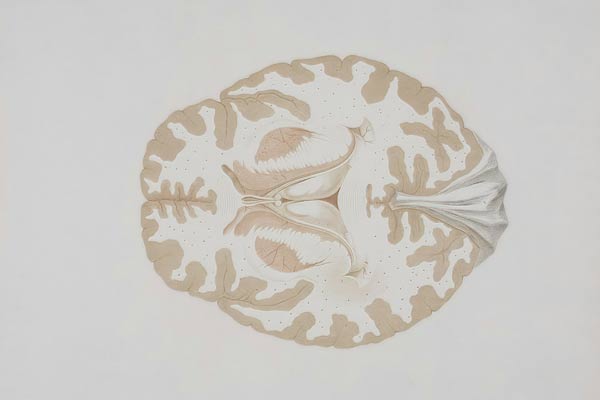
Dementia and Changes in Behaviour
This microlearning aims to explain the changes in behaviours that are often recognised and associated with people living with dementia. It will also explore when & why behavioural changes occur and how they can be best managed.

Going to the Emergency Department for People Living with Dementia
This microlearning aims to provide practical recommendations for people living with dementia and their cares that are planning to attend the emergency department.

Dementia and the Role of the Carer
This microlearning interview style aims to provide a deep insight into Dementia and the complex role of the carer. Mr Horn, shares his personal experience in helping his dear wife that was diagnosed with Dementia, how he noticed changes in behaviours, and the evolving nature of this disease.
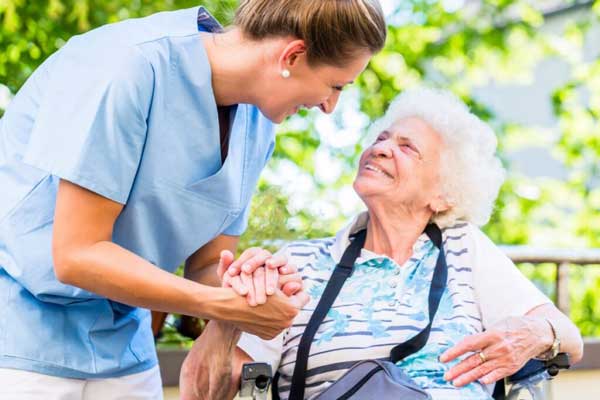
Palliative Care for People with Dementia
This microlearning aims to explore the important role of palliative care for people with Dementia and the strategies adopted for the prevention and relief of suffering in people with life-threatening illnesses.

Capacity and Dementia
This microlearning aims to explain the six key points about capacity and dementia. Specifically, it will focus on: (1) the ability to make a decision (2) the legal presumption that people are able to make decisions (3) the need to recognise factors that can affect a person’s capacity (4) the need for people living with dementia to make their own decisions as

Driving in Older People
This microlearning aims to highlight how driving is challenging for older people as they progressively lose their sight and may develop arthritis in their neck, hands, and driving. If elderly people may lose their driving licence, it may also significantly impact their daily life and ability to be independent.

Delirium Causes, Diagnosis and Treatment
This microlearning aims to explain what is delirium, what causes it, how it can be recognised it, and what to do about it.

Benefits of Attending a Support Group for Carers
This microlearning aims to explain what are the key benefits of attending a support group for carers. This video provides easy-to-follow suggestions for patients, carers, and allied health professionals.
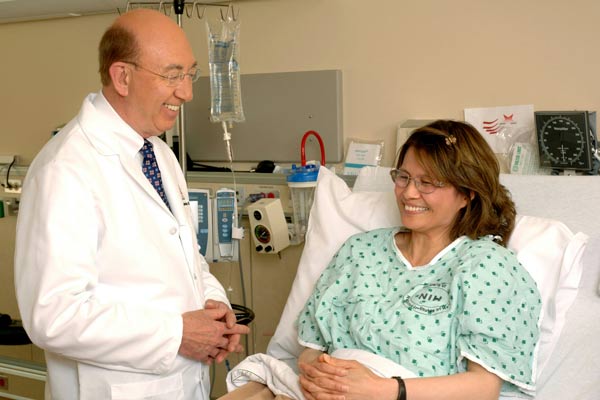
What is the Difference Between Dementia and Alzheimer’s Disease?
This microlearning aims to explain the difference between dementia and Alzheimer’s disease. Typically, dementia is a general term; however, Alzheimer’s disease is a specific brain disease. It is recognised by symptoms of dementia that gradually deteriorate over time.

Converting Food Waste into Rich Compost
This microlearning provides an opportunity to understand how Feedback Organic’s model is simple but impactful.

Advance Personal Planning - Module 1
An Advance Personal Plan (APP) is a legal document that is designed to help your future health, financial and life choices should you be unable to make decisions for yourself at some stage later in life.

Planning Ahead for Future Medical Care - Module 2
This microlearning will focus on planning ahead for future medical care. In particular, it will focus on why it is important and what is the role of an enduring guardian.

Enduring Powers of Attorney - Module 3
This microlearning will focus on the role of the enduring power of attorney. In particular, on what is an enduring power of attorney, who should be appointed as an enduring power of attorney, and what steps can be undertaken to protect against financial abuse.
Storage and Accessibility of Prepared Advance Planning Documents - Module 4
This microlearning will provide practical information regarding where personal documents should be safely stored, who should you share your documents with and lastly, what resources are available to support people in need of help.
Contact Us

The University of Newcastle acknowledges the traditional custodians of the lands within our footprint areas: Awabakal, Darkinjung, Biripai, Worimi, Wonnarua, and Eora Nations. We also pay respect to the wisdom of our Elders past and present.