
Defence
Defence Priorities
Addressing the security and trust challenges in distributed systems
The Advanced Cyber Security Engineering Research Centre (ACSRC) research primarily aims to address the challenges that arise in the design and analysis of secure and trusted systems in a heterogeneous distributed environment. This involves distributed systems, networks, Internet of Things (IoT), software defined architectures, mobile devices and industrial control systems.
Advanced propulsion systems
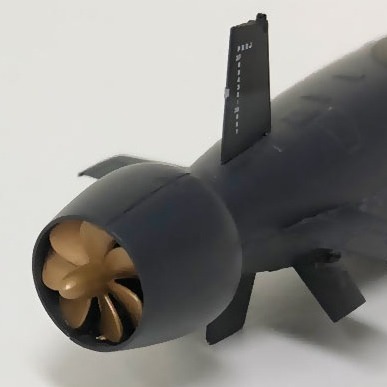
Our project aims to verify the working principle of an advanced propulsion system that combines hydrodynamic cavitation and pyroelectric power generations into an integrated unit.
Biosensor devices that detect human vital signs
Biosensors, Cognition And Affect In Human-Computer Interaction. Our research is exploring the latest in biosensors—devices that detect human vital signs, such as heart rate and skin conductance.
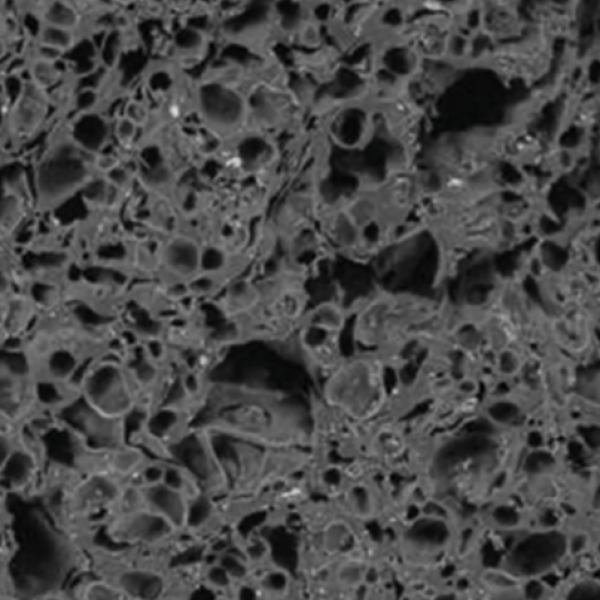
Coal to Carbon Fibres and Foams
Dr Stanger’s work revolves around the utilisation (and preparation) of coal. This transformation of coal into valued feed materials and higher value carbon products has led to active projects on the manufacture of carbon fibre and specialty foam, which could have a range of military applications.

Cognitive workload for personnel selection
We use state-of-the-art mathematical analysis techniques and experimental measurement tools to accurately and objectively assess operator performance.
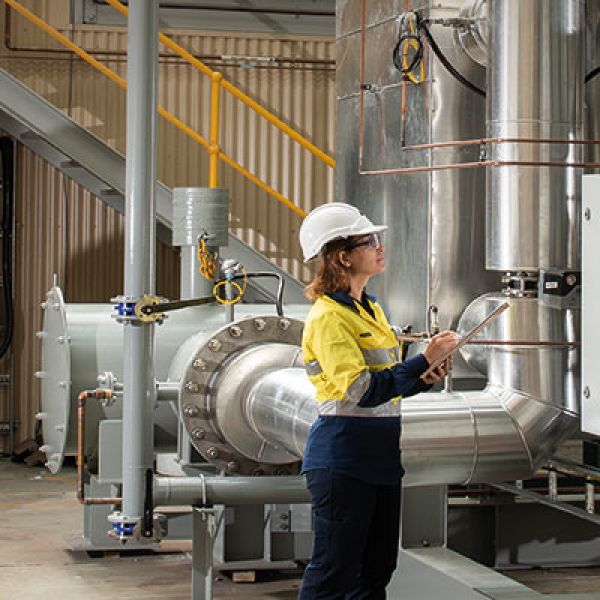
Containerised chemical-looping-based air separation technology
Containerised Chemical-Looping-Based Oxygen Plants for Field Hospitals and Hospital Ships

Contaminated site characterisation and remediation (PFAS)
Contaminated site characterisation and remediation (e.g PFAS); environmental analysis of explosives and chemical warfare residues

Customised Footwear Solutions to prevent costly lower limb complications
Australia is facing an unsustainable and evergrowing burden of lower-limb complications. Early intervention is the gold standard towards prevention of costly lower-limb pathologies such as arthritis and diabetic ulcerations.
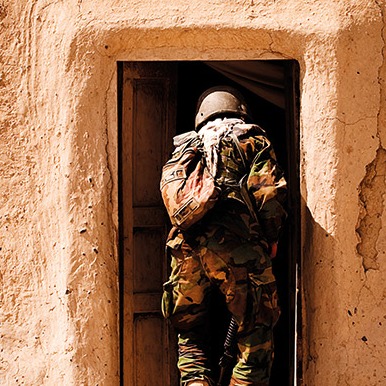
Damage probability of protective structures against earth penetration weapons
Our research is studying the damage probability of deeply buried protective structures against earth-penetration weapons based on random field theory, experimental studies and numerical simulations that consider the inherently heterogeneous nature of earth materials.
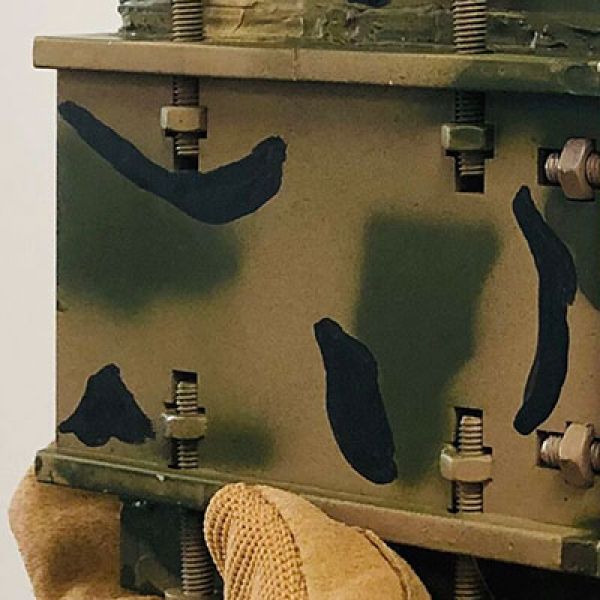
Delivering a compact, lightweight and battery operated atmospheric water generator
This project aims at advancing the development of a compact and lightweight battery-operated unit for production of water (4 litres per day) from atmospheric moisture.
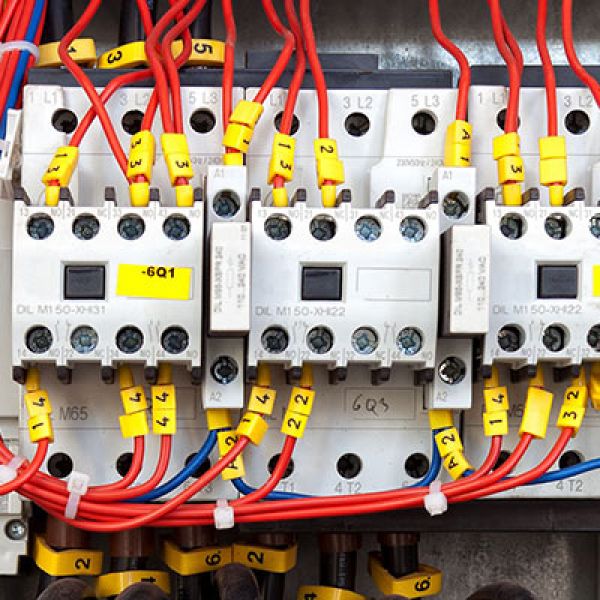
Delivering a high quality variable speed drive for unearthed neutral systems
For human safety, electrical systems are required to have neutral wire connected to earth. In some applications (ships, aircrafts, and underground operations) neutral cannot be earthed, causing problems of undetected faults and dangerous potentials. This research has developed a high quality variable speed drive for electric motors, which also provides increased safety and instant fault detection in unearthed neutral systems.

Delivering enhanced training platforms for Defence personnel
Provide advanced objective biometrically based assessment methodologies to capture how stress, attention and cognitive load impede decision making ability.
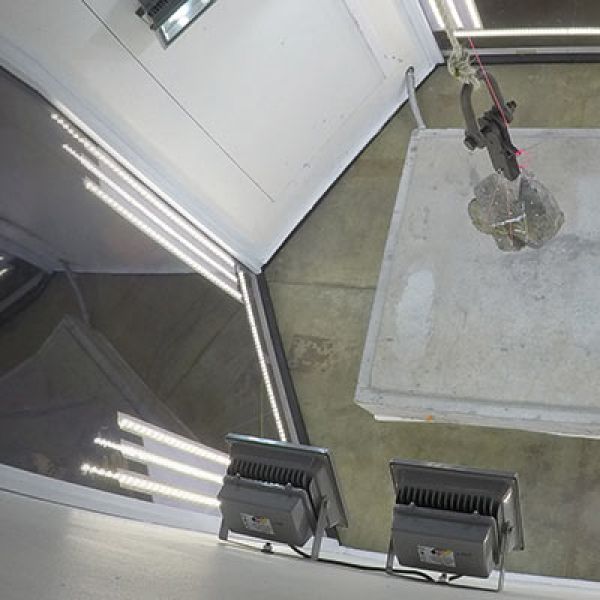
Dynamic Impact and Fragmentation
Dynamic impact and fragmentation are highly complex phenomena. Members of the Centre for Geotechnical Science and Engineering have been conducting world-class research on the topic applied to rockfall engineering.
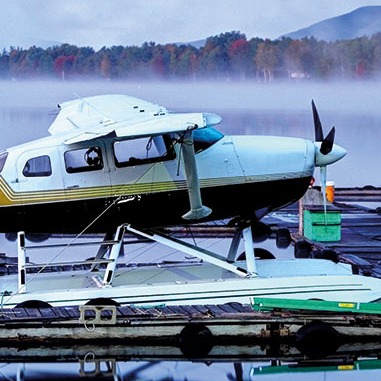
Energy efficient hybrid electric vehicles with acoustic signature suppression
Our research has redesigned the traditional fuel-driven propulsion system to include pure electric and hybrid electric modes.
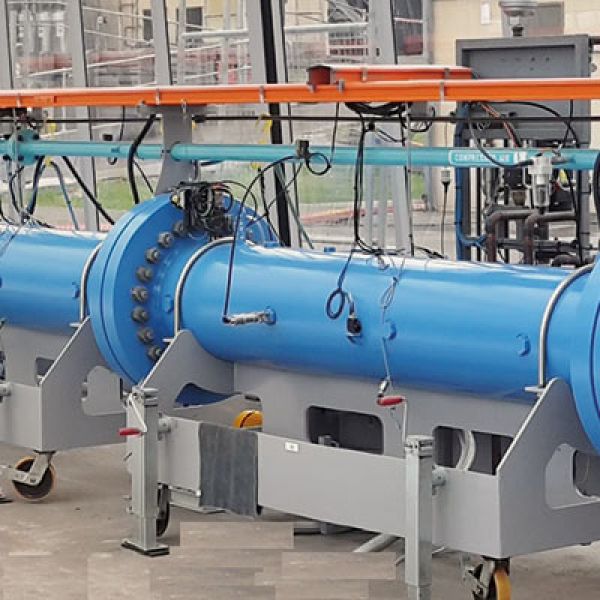
Fires and explosion countermeasures in confined spaces
This includes fixed structures such as defence buildings, bunkers, aircraft shelters, command posts and ammunition depots, as well as the critical components of weapon platforms such as submarines (battery and engine rooms), ships (engine room), tanks and other armoured personnel carriers (ammunition storage and engine compartments).
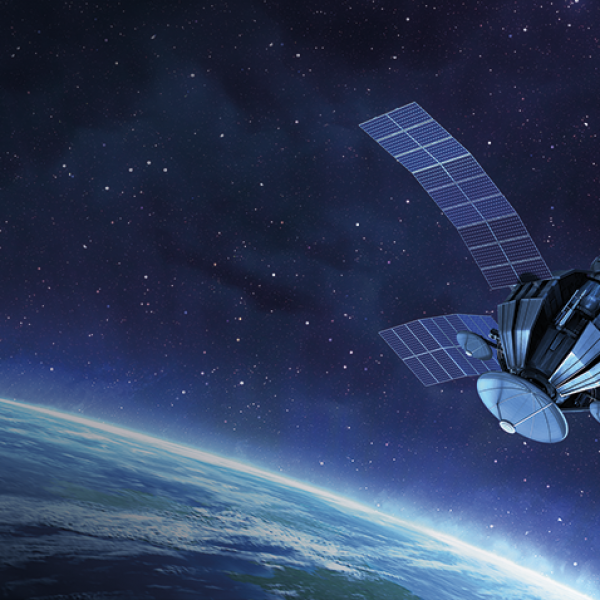
Governance of the Military uses of Space Technologies
This research is focused on the global governance of military uses of space technologies from the legal perspective and provides legal and policy advice to governments to ensure that their space programs and activities are aligning with international rules.

Graphene fabrication
As a material with high potential for revolutionising defence capabilities in the next decade, graphene fabrication is of interest in the military domain. We have developed a mechanism for the formation of high-quality graphene at less than half the temperature typically required (400°C vs 1000°C) using a range of liquid carbon sources trapped in a polymer matrix.
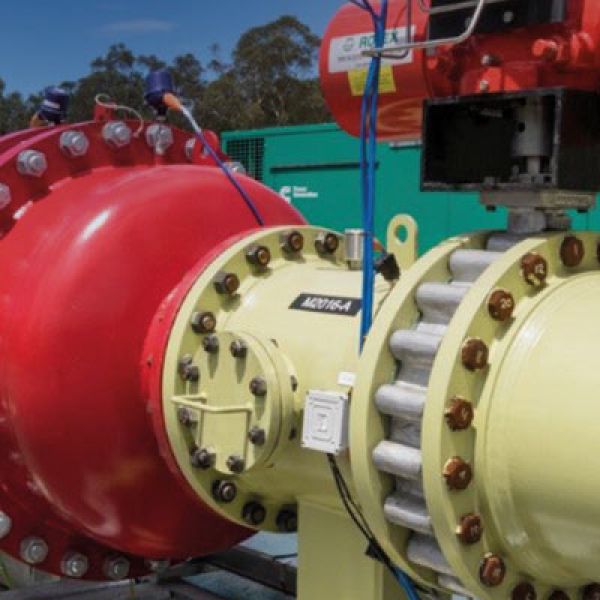
Hypersonic research
The ability to produce airflow at stagnation temperatures and pressures associated with hypersonic flight is vital in the design of a range of weapons, particularly for air strike and missile defence.
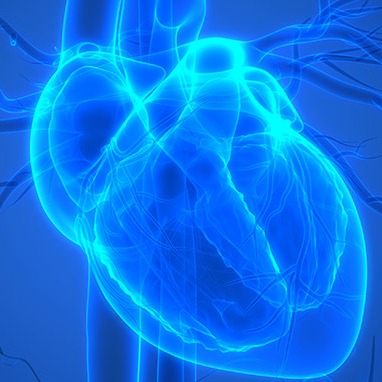
Implantable wireless pressure sensor technology
The human cardiovascular system functions normally or abnormally based on pressure and flow within blood vessels and cardiac chambers. The future of cardiovascular medicine will see a reliance on implantable pressure sensors that can detect, and wirelessly report, pressures within chambers to external signal receivers, and then to treating clinicians.

Information Theoretic Secure Communications
Our research is testing a novel way of securing data communications using information cached at devices to camouflage data.

International Law, Economic Policy, Geopolitics and Security
Professor Lisa Toohey’s research focuses on the intersection of international law with global peace and security. It has a particular emphasis on economic statecraft, international trade and the peaceful settlement of international disputes.
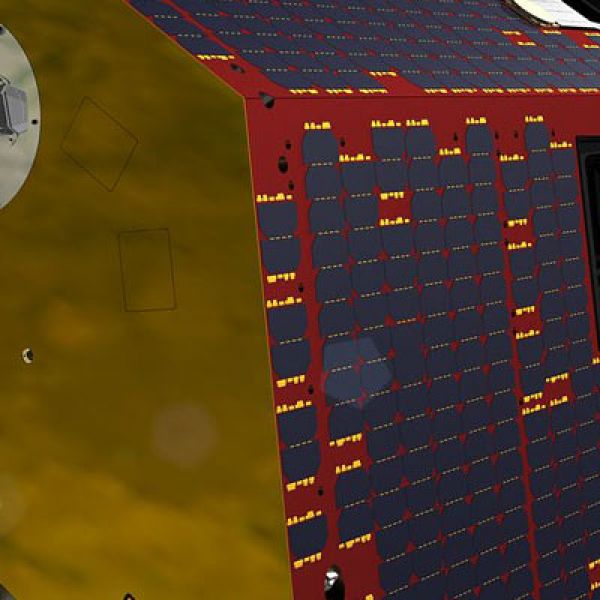
Investigation of mass distribution (water, ice and solid earth) caused by climate change
Investigation of mass distribution (water, ice, and solid Earth) caused by climate change and natural hazards by analysing spacecraft radar and laser ranging, accelerometer, and GNSS instruments. Development of the high-precision cryogenic gravimetric sensor. Detection of the Earth's gravity has implication to satellite trajectory, positioning, guidance and navigation.
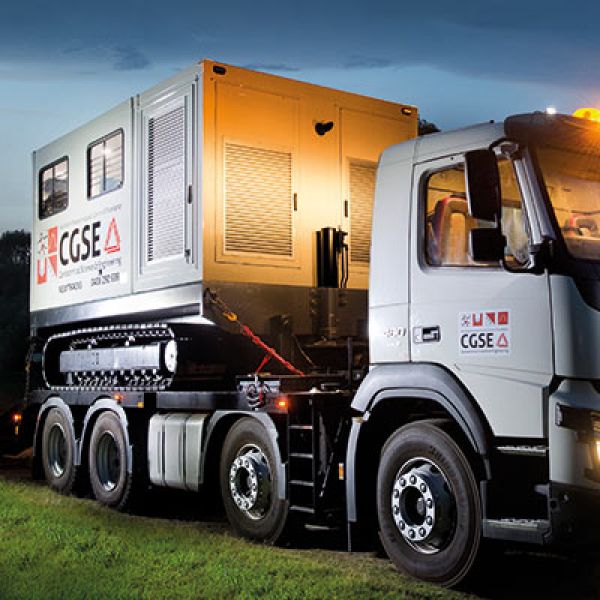
Machine-Terrain interaction
Our project analyses the performance of autonomous systems on various ground conditions using physical tests and virtual prototyping.
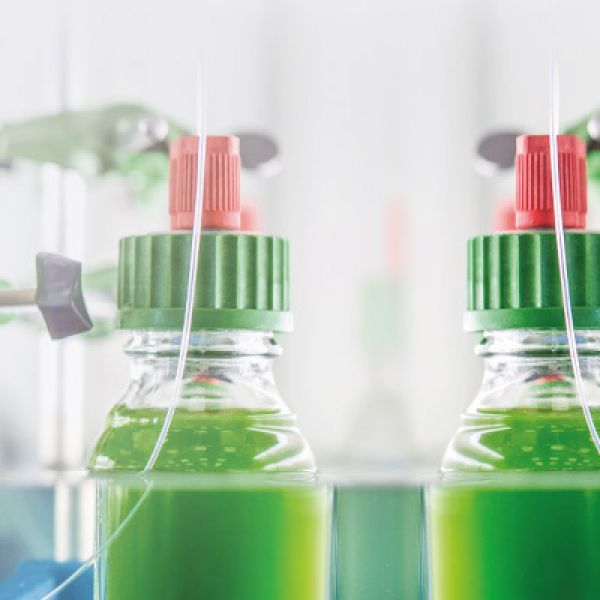
Manufacturing and sensing of environmental biotoxins
Microbial toxins threaten human health, while other natural products from these extremophiles have beneficial medicinal and industrial applications.

Mathematics models and experimental data used to predict and mitigate space weather impacts
Space Weather impacts all technology in space and the ionosphere including HF radar surveillance, space situational awareness, satellite performance and operations and humans in space. Mathematical models in concert with experimental data are used to predict and mitigate adverse space weather conditions and impacts.

Memetic Algorithms and Memetic Computing
Thirty years ago, Professor Moscato created an entirely new field of computer science known as “memetic algorithms”—labelled one of the greatest research frontiers in the combined fields of mathematics, computing and engineering.
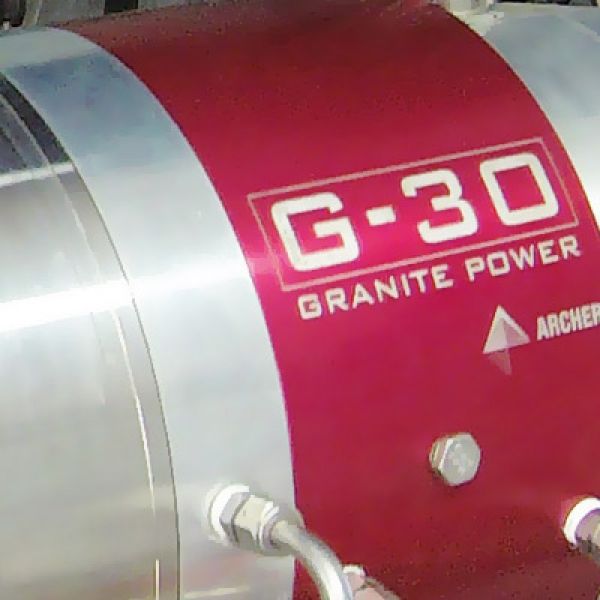
Minimising energy loss
Our project aims at advancing the implementation of the GRANEX heat engine to power applications on board ships and submarines and in forward operating bases and field hospitals.
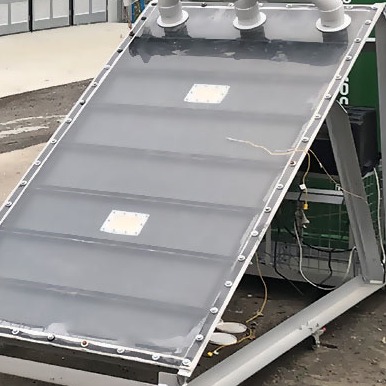
Mobile atmospheric water generators
Containerised Desiccant-Based Mobile Atmospheric Water Generator

Monitoring, instruction, coaching and effective instructional practices
Conducted in collaboration with schools, businesses and the United States Marine Corps, this project aims to study and develop quality coaching and supervision practices to improve the quality of teaching and learning within organisations.

Multidimensional, multichannel signal and image processing
This mathematics research project aims to construct tools for signal and image processing.
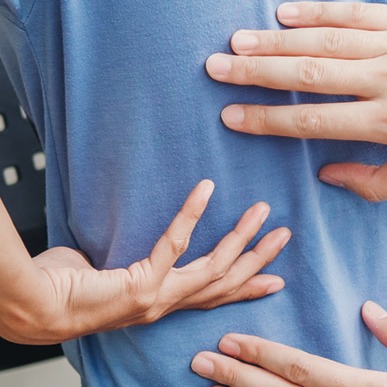
Musculoskeletal injuries and associated disease
Our research examines potential personal, social, occupational and health factors related to the onset and persistence of musculoskeletal pain and injuries.
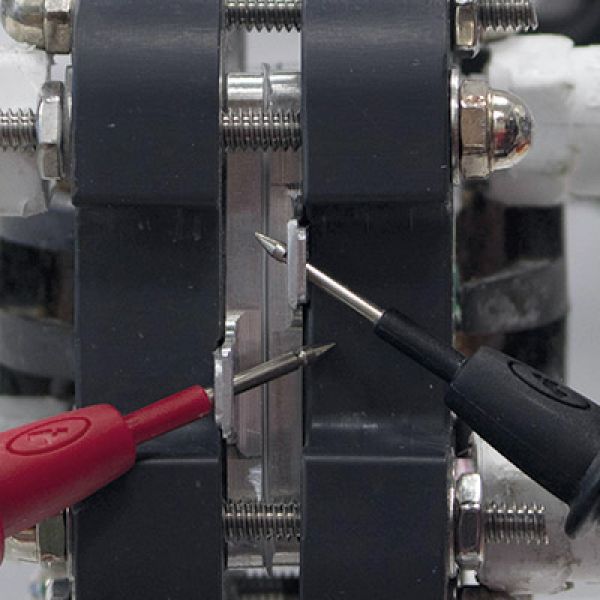
Nanomaterials for Energy Storage
In the Nann research group, we fabricate and characterise new, functional nanomaterials for the purpose of creating innovative energy storage solutions. Our focus is on luminescent, magnetic (multiferroic), dielectric, upconverting, Raman active, and nanomaterials with complex nanoarchitectures.
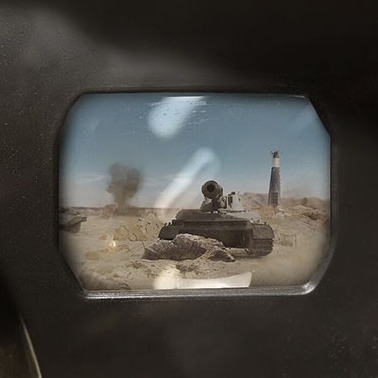
Optimisation of interactions between humans, systems and data
Enhanced Human Performance Through Optimisation Of Interactions Between Humans, Systems, And Data

Phase field finite element methods
Our research project is focused on the development of an efficient numerical simulation method, known as the phase field finite element method, for modelling the propagation of fractures in brittle-elastic materials.
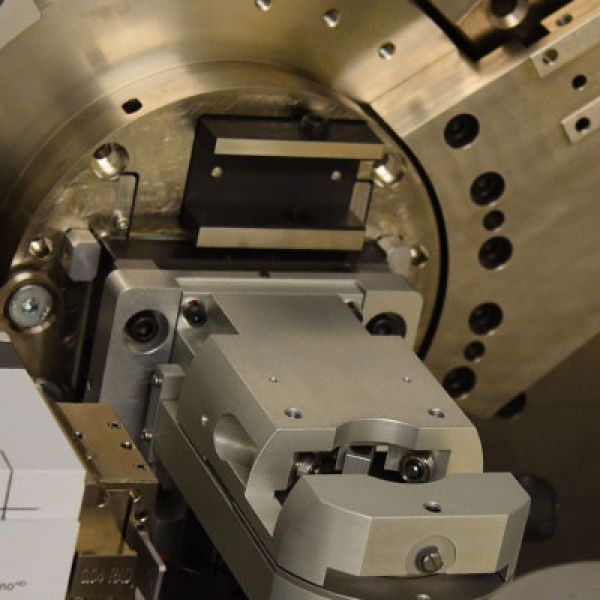
Pioneering research for energy, environment and sensing
Our centre is actively working on the development of advanced magnetic materials for magnetic sensors and microwave radar absorption of magnetic materials.
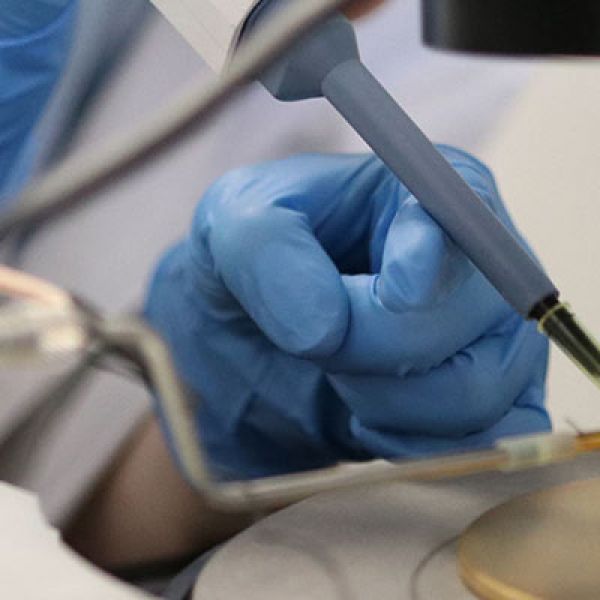
Platform for diverse detection and Defence preparedness
Biosensors offer an opportunity to monitor soldier physical and mental readiness and the state of their environments in real time. They can detect a wide variety of potential problems as they arise, enabling troops to act swiftly and appropriately. Drawing on our capabilities in functional roll-to-roll (R2R) printing, our printed biosensor platform can be tailored to meet a range of needs, providing a pathway for reliable, large-scale, low-cost production.
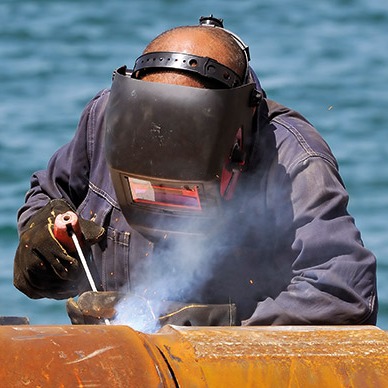
Prediction for safety of maritime assets
Our research investigates complex, detrimental lifecycle factors that influence the long-term structural integrity of maritime assets, such as Australian defence vessels.

Prediction of corrosion and deterioration of civil and Defence assets
The Centre for Infrastructure Performance and Reliability deals with practical aspects of marine and related corrosion, and with mathematical models based on physico-chemical bases to predict likely corrosion both short and long-term, including the possibility of microbiological influences.
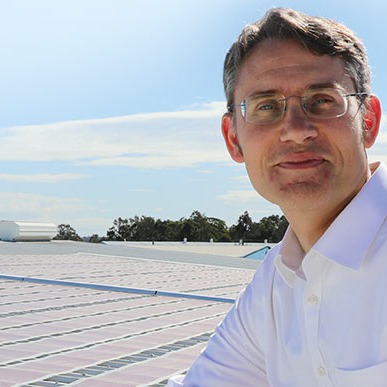
Printed Solar Panel
Printed solar cells offer a range of exciting deployment possibilities, including retractable solar farms and wearable solar. While printed solar technology is not new, viable real-world applications of this technology are yet to be realised. We are the first group in Australia, and one of few globally, to undertake a commercial-scale pilot of printed solar.
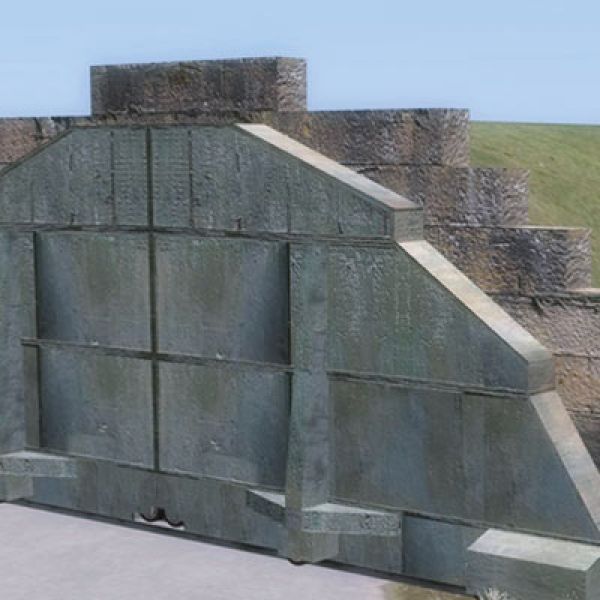
Pyroelectric energy
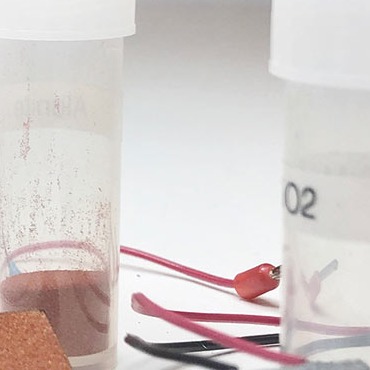
The aim of our project is to advance the material science and engineering that underpins the direct conversion of temporal changes in the ambient temperature to small quantities of electrical power. The resulting power can be used for ‘fit and forget’ self-powered wireless autonomous devices, wireless autonomous sensor networks and low-power electronic devices.
Pyroelectric energy harvesting
The principal vision for this project is to determine the fundamental science underpinning the functionalisation of Portland cements for pyroelectric energy harvesting from concrete-based structures such as aircraft shelters, ports, command posts and ammunition depots. Pyroelectric energy harvesting allows for the direct conversion of fluctuating ambient temperature into electricity

Real-time Human Performance Monitoring using our Internationally Validated EHealth Platform
Our validated real-time clinical approach will enable Australian Defence Force (ADF) staff and clinicians to monitor multiple health outcomes anytime and anywhere with unprecedented accuracy and objectivity.

Researching traumatic brain injury in Military personnel
Since 2000, the Defense and Veterans Brain Injury Center, USA has identified more than 280,000 cases of traumatic brain injury (TBI) in US service members, many resulting from combat blast exposure.

Responsive supplier networks and organisational design (ReSSNOD)
ReSSNOD studies and provides solutions to structural, organisational and human challenges in supplier and distribution networks in commercial, humanitarian, and other contexts. The team seeks engagement with Defence industries and further engagement with the SMEs that support the Defence sector in the Hunter and nationwide.
Scanning helium microscope
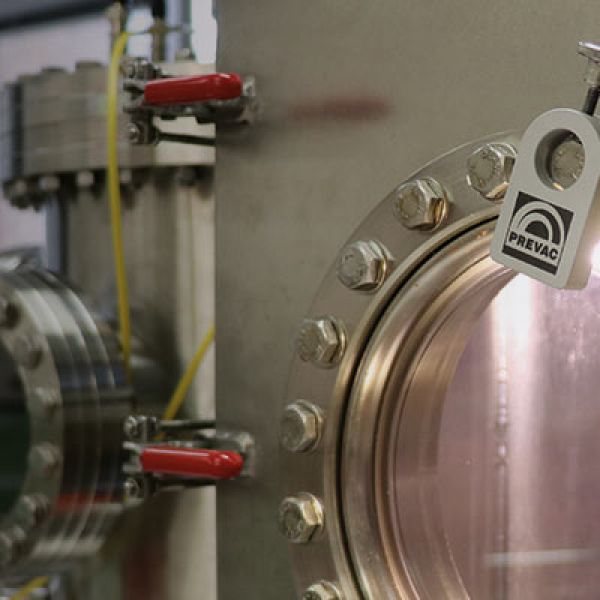
The Scanning Helium Microscope (SHeM) is the world's first electrically inert microscope. Produced by our research team in collaboration with key partners, the microscope uses neutral helium to image organic and delicate materials with zero damage.
Smart anechoic materials for acoustic signature control
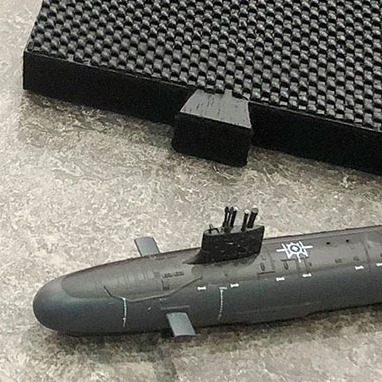
Anechoic materials fitted to submarines and other similar platforms, such as torpedoes, can absorb and scatter acoustic energy, therefore reducing the probability of detection by an enemy's active sonars.
Stealth Generators
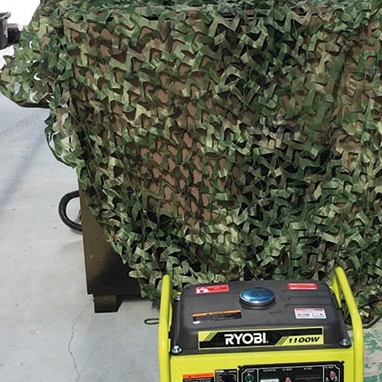
Our project focuses on advancing current research aimed at developing stealth petrol-powered mini generators (~1-10 kW) with noise and heat signatures below those of the ambient levels. The application of this technology is in the forward operating bases, where excessive noise or heat emitted from mini generators significantly increases the enemy's ability to detect and locate the base

Support for serving and ex-serving Defence personnel
The mental health and well-being of serving and ex-serving Australian Defence Force (ADF) personnel is of paramount importance, with a recent national audit indicating mental health disorders are a major cause of reduced quality of life for many members, with direct impacts on their families. The most common mental health concerns are depression, anxiety, post-traumatic stress, substance use, and suicide, with comorbidity between conditions common.
Workplace Health and Wellbeing – supporting organisations to create and maintain healthy workplaces
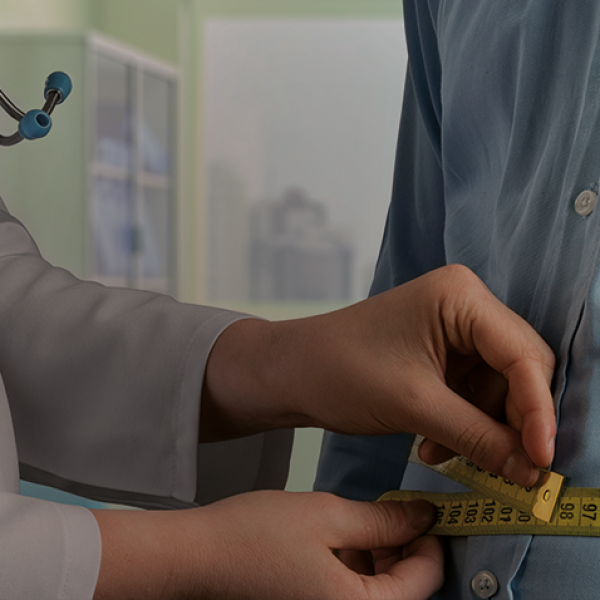
The health of employees is significantly influenced by the characteristics of the workplace. Employees experience a range of physical and mental health conditions as a result of the competing demands of the workplace. Musculoskeletal injuries are common, together with obesity and mental health concerns.
The University of Newcastle acknowledges the traditional custodians of the lands within our footprint areas: Awabakal, Darkinjung, Biripai, Worimi, Wonnarua, and Eora Nations. We also pay respect to the wisdom of our Elders past and present.