Culturally led research to improve Indigenous heart and stroke outcomes
Two research projects have received NSW Government funding to improve heart and stroke outcomes for Aboriginal and Torres Strait Islander communities across NSW.
The three-year projects will place community leadership, cultural knowledge and lived experience at the centre of their approach.
Saving lives through culturally led stroke awareness
Aboriginal Heart Health Grant – $749,208

Dr Heidi Lavis is the co-chief investigator in a community‑led research project to improve stroke outcomes for Aboriginal and Torres Strait Islander peoples in regional and remote NSW.
The project will co‑design new, culturally meaningful versions of the “F.A.S.T.” (Face, Arms, Speech, Time) stroke warning method with First Nations communities.
Working alongside Aboriginal stroke survivors, Elders, artists and health services, the team will develop locally relevant messages that help people recognise stroke symptoms sooner and seek urgent medical help.
By increasing awareness and reducing delays in hospital presentation, the project aims to improve access to time‑critical stroke treatments and recovery.
This research follows the successful early work on Dunghutti Country and will expand across multiple regions, including Moree, Brewarrina, Coffs Harbour and Nowra. It will also strengthen Aboriginal research capacity and ensure communities retain ownership of knowledge.
Dr Lavis is a clinician-researcher with the University of Newcastle Department of Rural Health
Indigenous heart health: Improving quality of care
Aboriginal Heart Health Grant – $249,923
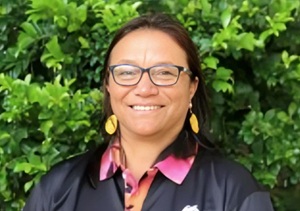
Gamilaraay woman and University of Newcastle Aboriginal Health Research Partner Yeena Thompson is leading an early‑stage research project that seeks to improve heart health outcomes for Aboriginal and Torres Strait Islander people across NSW by strengthening healthcare that is culturally safe and responsive.
Through yarning with communities, the research team will explore lived experiences to identify persistent barriers to care, including access, cost and interactions with the health system.
The project will support the co‑design of practical, culturally safe approaches to cardiac care.
Related news
- Tiny ocean microbe unlocks new clue to Earth's carbon cycle
- Opinion: AI is our way back and investment's our future
- World-leading study uncovers new targets for inflammatory bowel disease treatment
- Every hour counts: Global study links assessment delays to higher risk of burst appendix
- Meet the robot scientists transforming research discovery
Aligned with the United Nations Sustainable Development Goals
The University of Newcastle acknowledges the traditional custodians of the lands within our footprint areas: Awabakal, Darkinjung, Biripai, Worimi, Wonnarua, and Eora Nations. We also pay respect to the wisdom of our Elders past and present.