National intelligence funding secured to turn hackers’ thinking against them
A University of Newcastle project designed to expose and exploit weaknesses in the way cyber attackers think has been awarded $783,409 Office of National Intelligence funding through the National Intelligence Discovery Grant program, funded by the Australian Government.
Led by cognitive scientists Professor Scott Brown and Professor Ami Eidels, the three-year project will investigate how cyber attackers make decisions, with the aim of strengthening Australia’s cybersecurity capabilities.
Rather than focusing solely on blocking cyber threats, the research will use covertly measured behavioural data to understand attacker decision-making and identify vulnerabilities in the cognitive processes that drive cybercrime.
The team will develop new mathematical models to understand, predict and exploit cognitive biases in attackers. The research is expected to deliver a process-level theory of attacker behaviour capable of generating precise and actionable predictions.
The outcomes will provide new approaches to disrupting cyber threats and protecting critical systems, while also delivering tools and expertise that support Australia’s national security objectives. The project will train emerging researchers in advanced methods and strengthen collaboration with national security agencies.

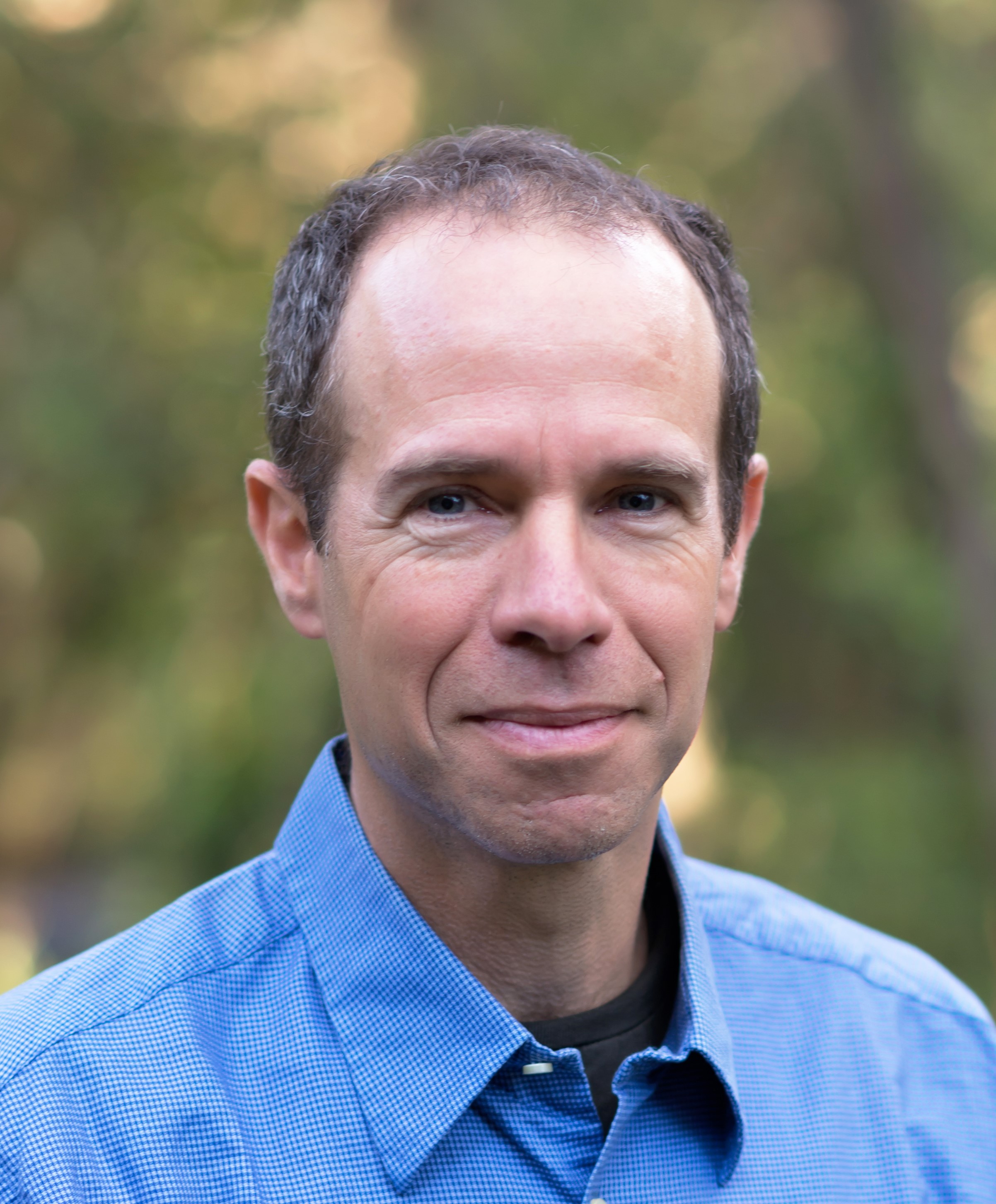
Professor Scott Brown (left) and Professor Ami Eidels (right)
Related news
- Where Culture meets STEM: Empowering future leaders in Wadeye
- Showing our support for the Koori Knockout
- University of Newcastle engineering leader awarded prestigious Engineers Australia Fellowship
- Opinion: HSC students be ambitious, but also kind to yourself
- Vice-Chancellor Professor Alex Zelinsky to retire in February 2027
Aligned with the United Nations Sustainable Development Goals
The University of Newcastle acknowledges the traditional custodians of the lands within our footprint areas: Awabakal, Darkinjung, Biripai, Worimi, Wonnarua, and Eora Nations. We also pay respect to the wisdom of our Elders past and present.