Explore our Research Centres
Delivering world class research
Research at the University of Newcastle is supported by a collaborative network of institutes and centres.
University Institutes
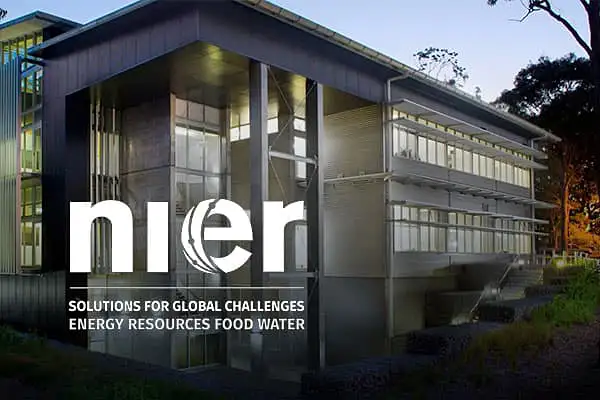
Newcastle Institute for Energy and Resources (NIER)
NIER’s multi-disciplinary research teams work with industry partners across our regions to deliver sustainable solutions in the energy, resources, food and water sectors.
Read more
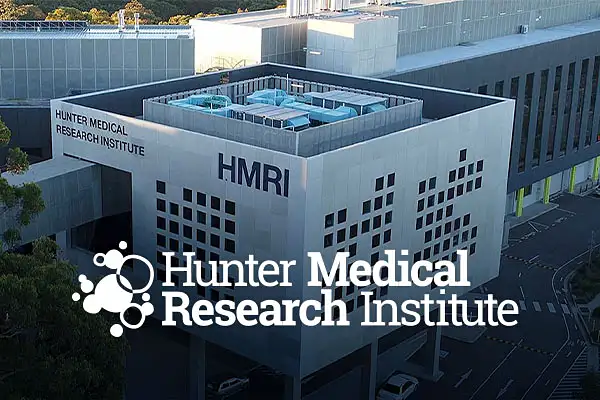
Hunter Medical Research Institute (HMRI)
A collaboration between the University of Newcastle and the Hunter New England Local Health District, HMRI is Australia’s leading regional medical research institute.
Read more

Institute for Regional Futures (IRF)
The Institute for Regional Futures works with government, community and industry to provide research and advice that informs policy and drives decisions for the future of our regions.
Read more
Our centres
Filter centres
Australian Research Council (ARC) centres
Centre of Excellence for Enabling Eco-Efficient Beneficiation of Minerals
This Centre will transform the minerals industry, establishing a new generation of research leaders to support the innovation needed in creating a green economy for future generations.
National Health and Medical Research Council (NHMRC) centres

Centre of Research Excellence in Asthma Treatable Traits
The NHMRC Centre of Research Excellence in Asthma Treatable Traits (CREATT) aims to revolutionise the management of chronic airway diseases by testing and implementing a new paradigm for personalised medicine.
Building on outcomes of the Centre of Excellence in Severe Asthma and its ground-breaking toolkit, CREATT is a consortium of world-renowned clinicians, researchers and respiratory organisations who are generating new knowledge to support the treatable traits approach and ensure translation into practice.
Centre of Research Excellence in Digestive Health
The NHMRC Centre for Research Excellence in Digestive Health aims to improve quality of life for patients with unexplained chronic gastrointestinal disorders. It brings together clinical researchers from universities, hospitals and research institutions across Australia and beyond.
The centre supports research, training, multidisciplinary collaboration, and translation of findings to enhance our understanding, identification and management of chronic digestive diseases.
National Centre of Implementation Science
The centre brings together a multi-disciplinary team of emerging and established researchers to generate evidence that helps fast-track the adoption of interventions for chronic disease prevention.
Partner organisations for this NHMRC Centre for Research Excellence include the University of Sydney, Ottawa Hospital Research Institute, Monash University, Central Queensland University and Neuroscience Research Australia.
Cooperative Research Centres (CRC)
Hosted Cooperative Research Centres (CRC)
Soil CRC
The Cooperative Research Centre for High Performance Soils (Soil CRC) is bringing together scientists, industry and farmers to find practical solutions for Australia’s underperforming soils. The Soil CRC aims to enable farmers to increase their productivity and profitability by providing them with knowledge and tools to improve the performance of their soils. It is the biggest collaborative soil research effort in Australia’s history, with 39 Participants that contribute to the Soil CRC through both cash and in-kind contributions.
Partner Cooperative Research Centres (CRC)
HILT CRC
This Cooperative Research Centre aims to help Australia’s heavy industry sector compete in the low-carbon global economy by developing solutions to help reduce its greenhouse gas emissions.
The sector processes minerals such as iron, steel, and aluminium which support the production of critical materials for day-to-day life and makes a significant contribution to Australia’s industrial sovereignty. The HILT CRC will focus on overcoming barriers to the sector’s low-carbon transition.

iMove CRC
The Australian Transport Cooperative Research Centre, known as the iMOVE CRC, is a national transport research and development centre dedicated to providing a coordinated approach to Australian transport research.
It is a consortium of more than 40 industry, government and research partners engaged in a 10-year effort to improve Australia’s transport systems. It aims to deliver solutions that help reduce road congestion, fuel use, emissions, accidents and fatalities. It also works to improve freight co-ordination, productivity, international competitiveness, and overall lifestyle.

MinEx CRC
The MinEx Cooperative Research Centre is working to develop more productive, safer and more environmentally friendly drilling methods for critical deposits that lie beneath sand, soil and sediment. It is also investing the development of new exploration tools and new ways to deploy those tools, to support longer-term sustainability and safety in the sector.
SmartCrete CRC
Concrete is the second most used material on earth after water and is a fundamental element of our built environment. The SmartCrete Cooperative Research Centre provides a nationally coordinated and collaborative platform for research and development in Australia.
It brings together leading industry partners, research institutions, agencies and associations to focus on innovation in engineered solutions, asset management and sustainability.
Research Centres
College of Engineering, Science and Environment

BHP Centre for Sustainable Steelmaking Research
With the global shift to low-carbon iron and steelmaking technologies, the BHP Centre for Sustainable Steelmaking Research is at the forefront of innovation in low-carbon cokemaking, modified blast furnace and alternative iron and steelmaking processes.

Centre for Applied and Responsible AI
The Centre for Applied and Responsible AI (CARA) applies a deep expertise across AI, human-computer interaction, optimisation, data science, robotics, cybersecurity, and digital health.

Centre for Bulk Solids and Particulate Technologies
The Centre for Bulk Solids and Particulate Technologies (CBSPT) is actively involved in both fundamental and applied research on a range of problems associated with bulk solids and particulate technology. Research areas include storage, flow, processing and transportation of bulk solids. CBSPT also provides specialist courses for industry through its professional development programs.
Centre for Conservation Science
The Centre for Conservation Science brings together people like conservation biologists, social scientists, health workers, artists, and communication experts. By working together, they create conservation solutions that can help protect nature here and around the world.

Centre for Construction Safety and Well-being
The Centre for Construction Safety and Well-being (CCSW) is a collaboration between the University of Newcastle and construction company Hansen Yuncken, located within the university's School of Architecture and Built Environment.
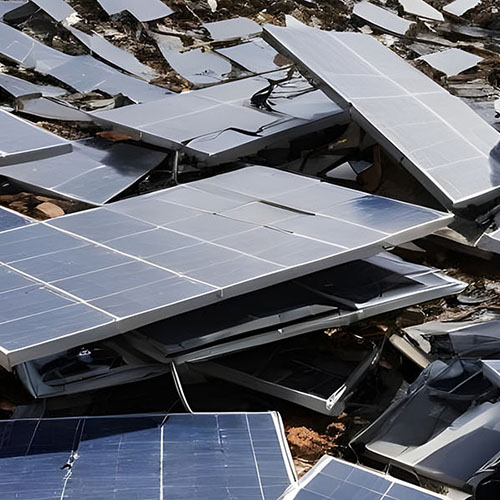
Centre for Critical Minerals and Urban Mining
The transition to net zero depends on a secure supply of critical minerals and rare earth elements, and on better ways to recover value materials from urban waste. The Centre for Critical Minerals and Urban Mining (CRITIUM) brings together multidisciplinary scientific expertise and industry engagement to tackle these challenges and deliver transformational advances and real-world outcomes.
Centre for Geotechnical Science and Engineering
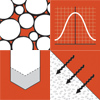
The Centre for Geotechnical Science and Engineering develops new models and innovative computational methods for predicting the behaviour of geomaterials, metals and composites. Advanced computational methods, coupled with laboratory and field testing are key tools in this pursuit.

Centre for Innovative Energy Technologies
The Centre for Innovative Energy Technologies conducts cutting edge research on emerging energy technologies, with particular focus on the abatement of greenhouse gases, and clean and sustainable energy production.

Centre for Integrated Resilience: Coasts, Water and Climate
The Centre for Integrated Resilience: Coastal, Water and Climate tackles big challenges like climate change, water security, coastal risks, and the health of ecosystems.

Centre for Organic Electronics
The Centre for Organic Electronics is focused on the scientific challenges in the development of organic photovoltaics for the next generation of environmentally friendly energy sources, photonics and biosensors.
Centre for Reproductive Science
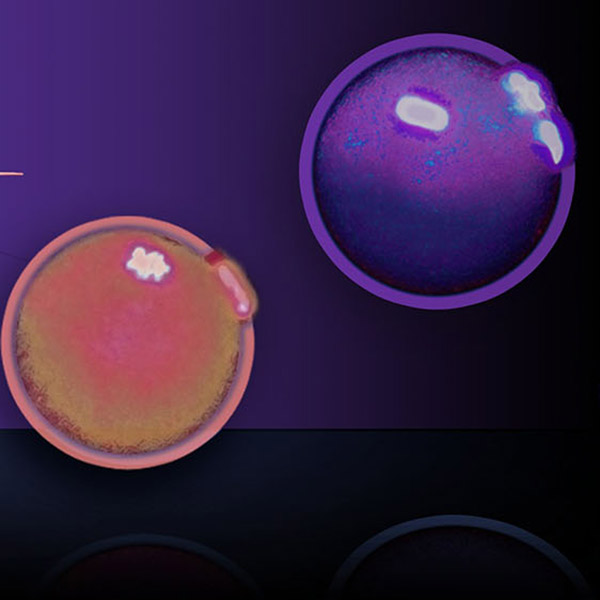
The Centre for Reproductive Science is a multi-disciplinary hub advancing reproductive science to address complex challenges in human and animal fertility. We unite researchers, clinicians, veterinarians, and industry partners to develop innovative solutions, improve fertility outcomes, safeguard biodiversity, and train the next generation under a One Health vision.

Global Centre for Environmental Remediation
The Global Centre for Environmental Remediation (GCER) aims to safeguard people's social, economic and physical health and wellbeing by developing innovative, cost-effective and sustainable technologies and solutions that reduce the impact of pollutants on the environment.

Global Innovative Centre for Advanced Nanomaterials
Innovation in materials science and research to develop advanced technologies and solutions for the global energy, environment and health sectors.
Medical Technology Research Centre
We pursue translational innovation in medical technology. We bridge disciplines across engineering, science and health, together with industry and clinical partners. Our mission is to engineer innovative medical devices to advance future healthcare.

Space Science and Technology for Australian Resilience
Our Centre is transforming our understanding of the conditions in space. We use satellite technologies to observe our Sun and changing planet and support better ways to manage it. We also help shape policies to ensure space is used safely, responsibly, and for the benefit of all.
College of Health, Medicine and Wellbeing
Central Coast Research Institute
The Central Coast Research Institute (CCRI) is a joint venture of the University of Newcastle and Central Coast Local Health District. The CCRI aims to deliver pioneering research relevant to improving the health and wellbeing of the Central Coast community and beyond, focusing on the design, implementation and evaluation of new models of person-centred integrated care.

Centre for Prevention, Implementation and Population Health
Centre for Prevention, Implementation and Population Health uses intervention and service delivery to promote healthy behaviours and good quality healthcare across communities.
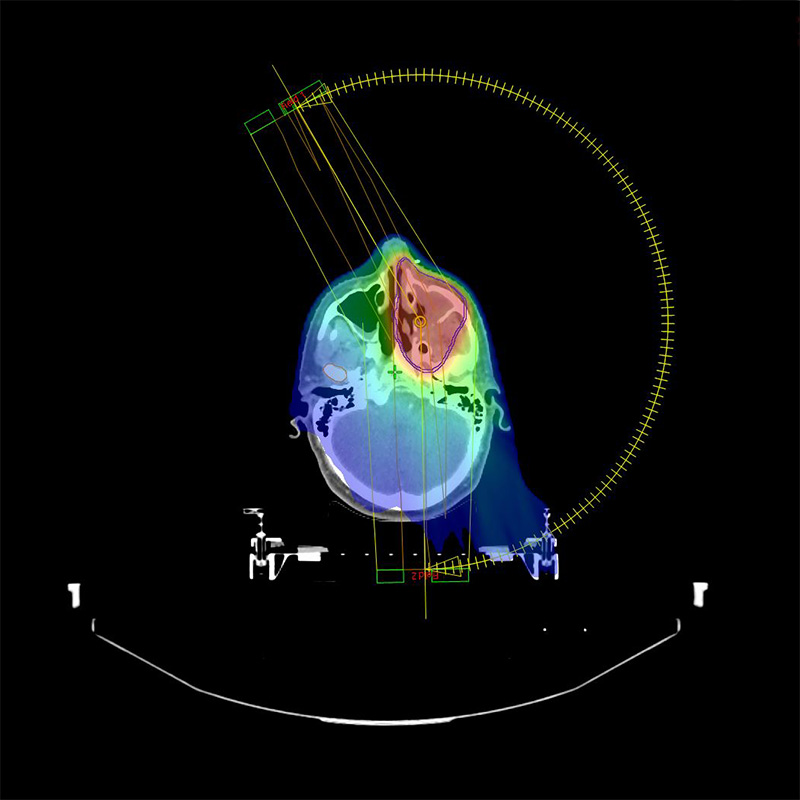
Centre for Research and Training in Radiation Oncology
The Centre is the first of its kind. With the support of industry partners and collaborators, the centre delivers education, research and training to domestic and international clinicians and students.

Centre for Women's Health Research
The Centre for Women's Health Research brings together academics and clinicians working in women’s health research and consumers with a passion for women’s health to research the factors that affect the health and wellbeing of women across the life course.
Global Sport and Movement Collaborative
The Global Sport and Movement Collaborative brings together world-class researchers, educators, and industry leaders to transform the future of sport, movement, and wellbeing.
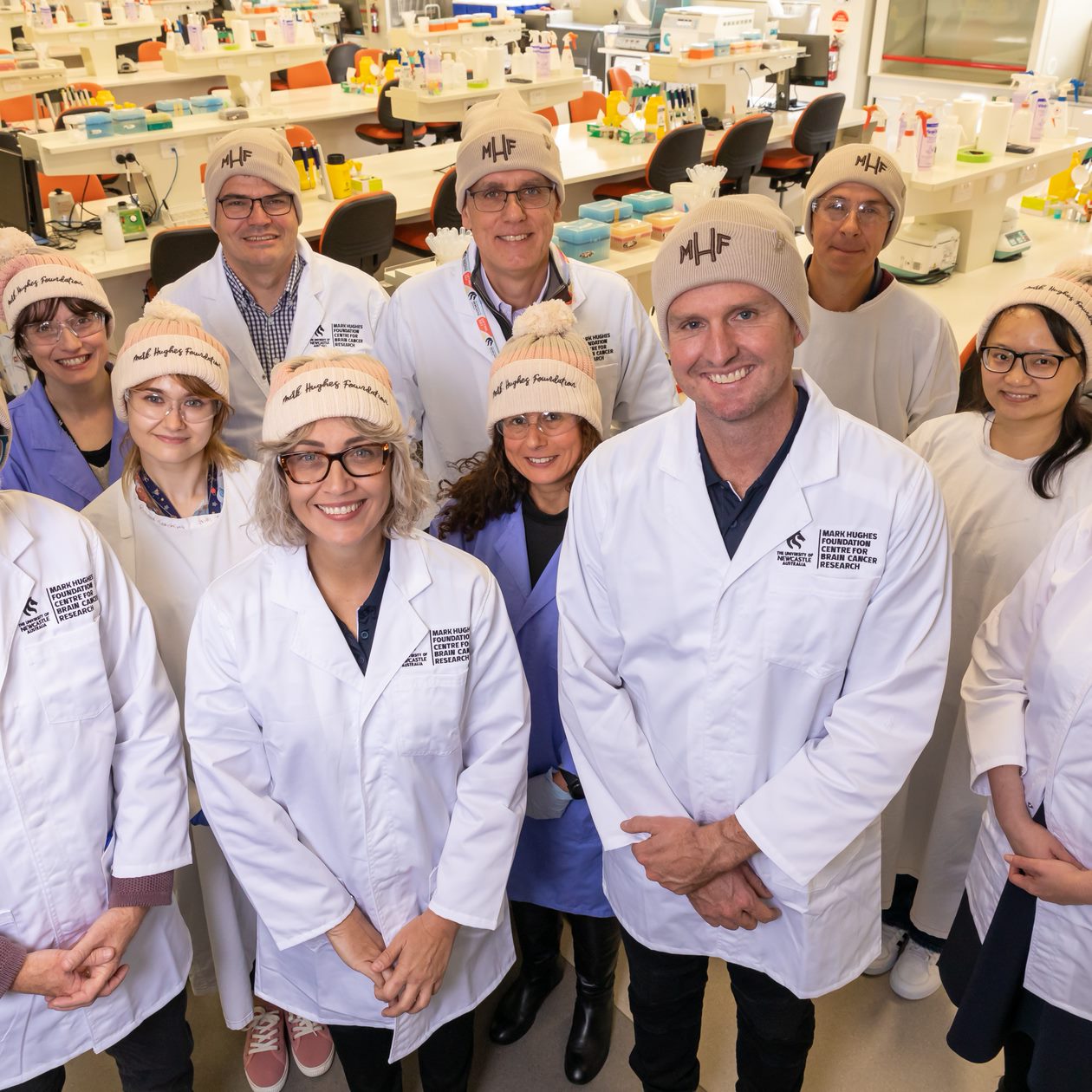
Mark Hughes Foundation Centre for Brain Cancer Research
The Mark Hughes Foundation Centre for Brain Cancer Research is committed to finding a cure and improving the lives of those affected by brain cancer. We aim to advance brain cancer research and achieve the greatest impact for brain cancer patients and their families.
College of Human and Social Futures

Centre for Law and Social Justice
The Centre for Law and Social Justice is based in the Newcastle School of Law and Justice and is a site for research, engagement, learning and advocacy.

Centre for the Study of Violence
The Centre for the Study of Violence is a world-first collaboration that applies new historical knowledge to advance humanity's understanding of violence. Members of the Centre explore every aspect of the history of violence, including concepts of violence, representations of violence, questions of interpersonal violence, and issues of political and cultural violence.

Centre of Excellence for Equity in Higher Education
The Centre of Excellence for Equity in Higher Education (CEEHE) undertakes interdisciplinary, international and collaborative research designed to create the highest standards in equity practice locally, nationally and globally. CEEHE combines the University's extensive experience of equity initiatives locally with the widely acknowledged research expertise of its staff in this field to offer global leadership.

Newcastle Youth Studies Centre
The Newcastle Youth Studies Centre examines the social, political/economic and cultural dimensions affecting young people's lives in Australia and internationally.

Purai Indigenous History Centre
Purai is an exciting research initiative to integrate global and transnational analytical perspectives and frameworks with research on Indigenous and diaspora studies, and other related topics of race and society.

Study of Research Training and Impact (SORTI)
SORTI is focused on understanding and developing research and higher order problem solving skills, and the impact of research training and outcomes.

Teachers and Teaching Research Centre
The Teachers and Teaching Research Centre aims to achieve high quality research, training and knowledge translation in the development and testing of interventions and innovations that will be used and sustained in the practice of teaching and teacher development across a broad range of contexts.
PhD scholarships and opportunities
Find out more
The University of Newcastle acknowledges the traditional custodians of the lands within our footprint areas: Awabakal, Darkinjung, Biripai, Worimi, Wonnarua, and Eora Nations. We also pay respect to the wisdom of our Elders past and present.