School research
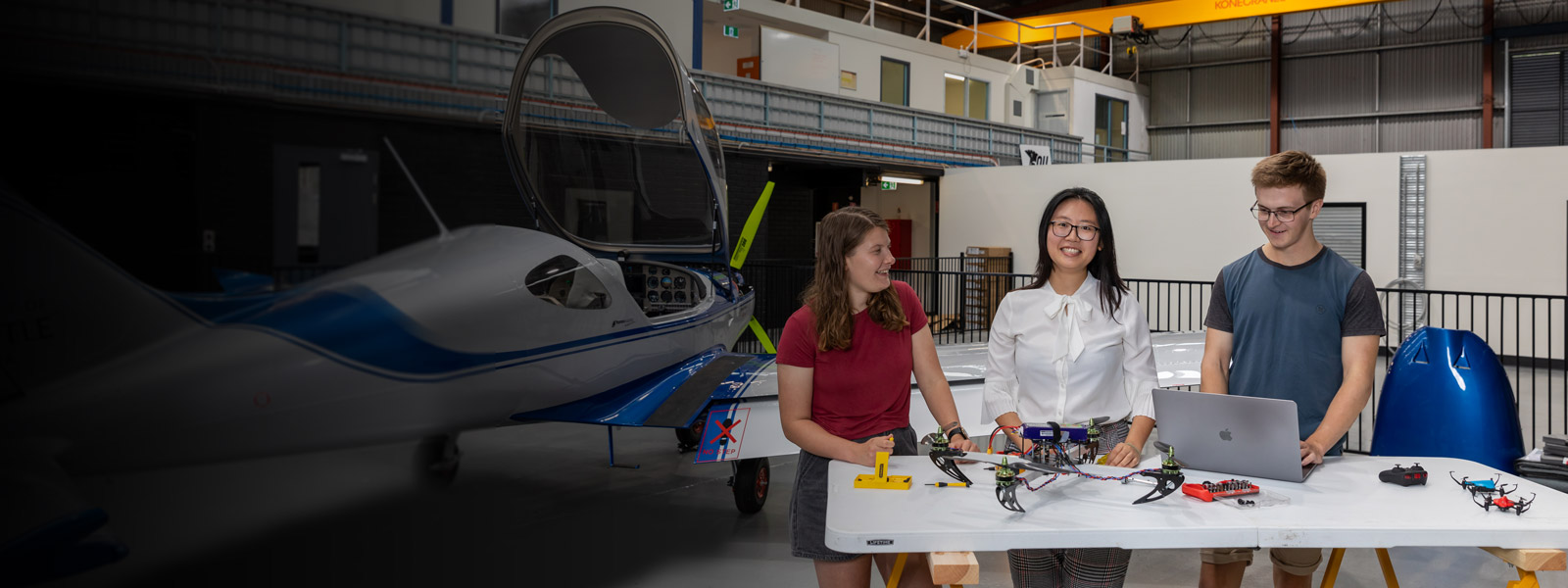
The School of Engineering is a strong research intensive school with expertise in a wide range of disciplines.
Our research focus ensures that students are exposed to cutting edge thinking and taught by staff at the forefront of developments in their chosen field.
Many of our staff are internationally recognised for their contributions to engineering and technology and are leaders in their field. They play an active role in the development of their research areas, and contribute to some of the most prestigious academic journals around the world.
The School of Engineering is proud to be recognised as one of the top Engineering Schools in Australia.
PhD and Research Masters
Research Strengths
KEY TOPICS
Low emission energy sources, energy storage, grid electrification, and electrical transport.
Centre for Innovative Energy Technologies
The Centre for Innovative Energy Technologies (CINET) conducts cutting edge research on emerging energy technologies, with particular focus on the abatement of greenhouse gases and clean and sustainable energy production.
Trailblazer for Recycling and Clean Energy
The Trailblazer for Recycling and Clean Energy (TRaCE) is moving clean energy and recycling technologies from the research phase to global markets.
KEY TOPICS
Critical minerals, geotechnical solutions, geospatial engineering, materials handling, particle beneficiation, and circular economy.
ARC Centre of Excellence for Enabling Eco-Efficient Beneficiation of Minerals
COEMinerals is making mineral recovery more efficient, more effective and as a result much more sustainable.
Centre for Advanced Particle Processing and Transport
Concerned with the science and engineering of particulate systems relevant to industries of national significance, such as in the mineral resources area. We seek to develop faster and more efficient separation technologies, and technologies for the manufacture, storage, and transport of particles.
Centre for Geotechnical Science and Engineering
Develops new models and innovative computational methods for predicting the behaviour of geomaterials, metals and composites. Advanced computational methods, coupled with laboratory and field testing are key tools in this pursuit.
Centre for Bulk Solids and Particulate Technologies (CBSPT)
Actively involved in both fundamental and applied research on a range of problems associated with bulk solids and particulate technology. Research areas include storage, flow, processing and transportation of bulk solids. CBSPT also provides specialist courses for industry through its professional development programs.
KEY TOPICS
Industry 4.0, control and automation, robotics, internet of things, digital solutions and artificial intelligence, advanced materials, and additive manufacturing.
Centre for Ironmaking Materials Research (CIMR)
With the global shift to low-carbon iron and steelmaking technologies, the Centre for Ironmaking Materials Research is at the forefront of innovation in sintering, cokemaking and blast furnace iron-making processes, optimising the use of Australian iron ore and metallurgical coal.
Global Innovative Centre Advanced Nanomaterials
We are using nanotechnology to solve the greatest challenges facing the world. We are innovators in materials science.
Precision Mechatronics Lab
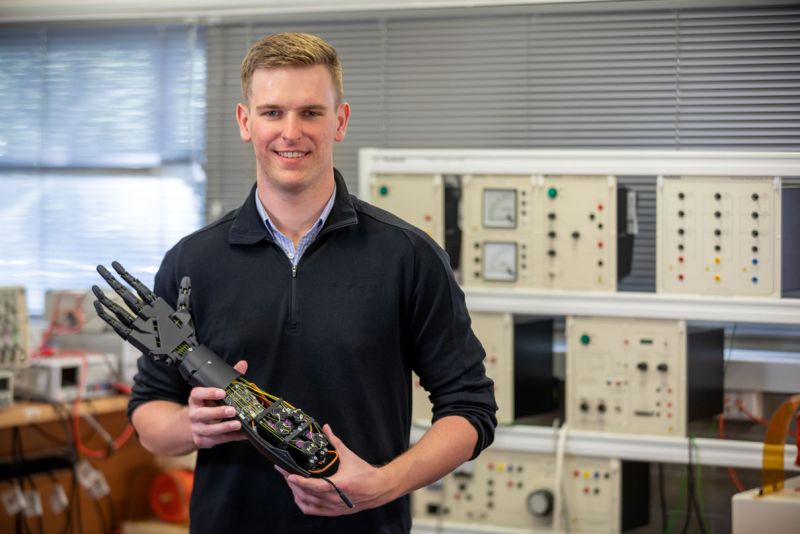
We are multidisciplinary group of electrical engineers, mechanical engineers and physicists developing new mechatronic and robotic technologies for fabrication, imaging, and health care.
KEY TOPICS
Smart cities and smart structures, safe and adaptable infrastructure, remote sensing and earth observation, water security, next generation wireless communications, and health technology.
Centre for Infrastructure Performance and Reliability
The Centre for Infrastructure Performance and Reliability (CIPAR) is at the international forefront in assessing the reliability, safety, durability and management of buildings, bridges, pipelines, aviation, and other infrastructure systems. The pioneering research at CIPAR includes risk and reliability assessment, corrosion of infrastructure, and structural masonry.
Centre for Secure and Reliable Communications
The Centre for Secure and Reliable Communications contributes to developing telecommunication networks that are robust to eavesdropping attacks, interference, and noise.
Research impact
$1.7million ARC Linkage funding to engineer sustainable solutions
Read more
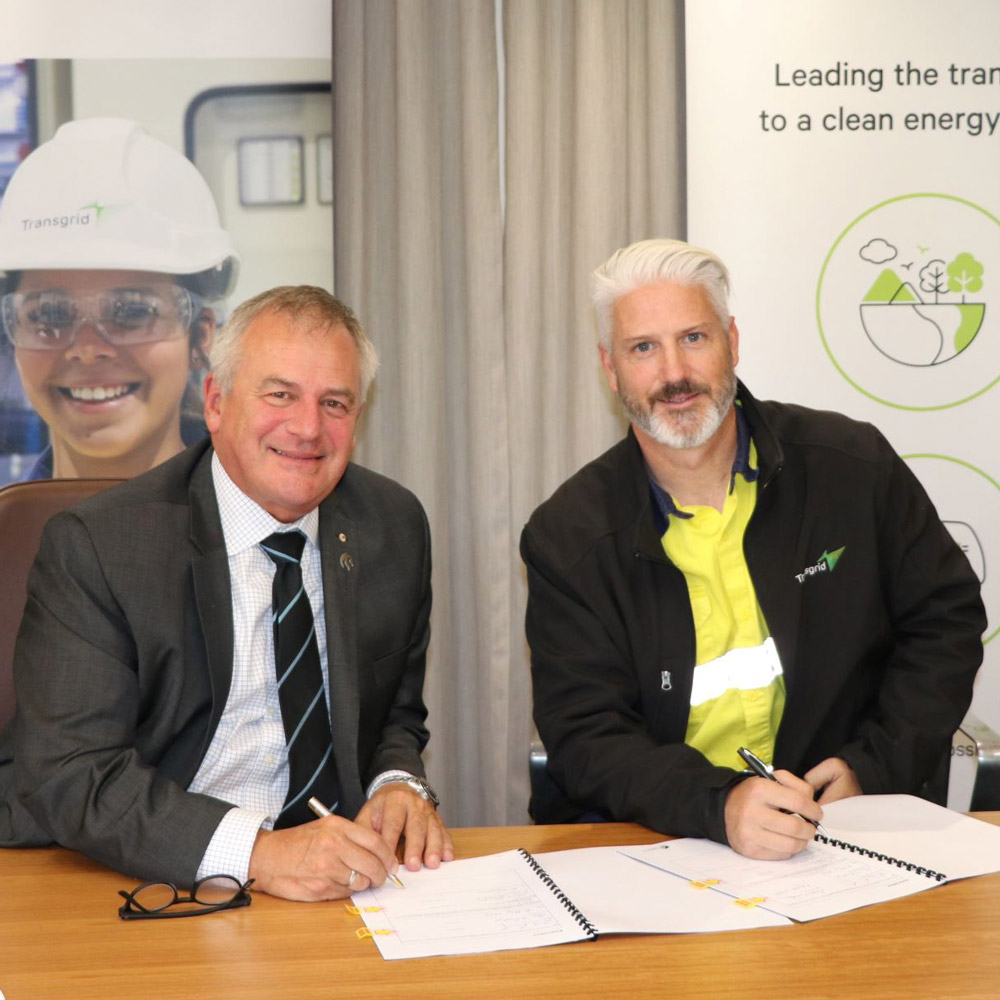
Transgrid Partners with the University of Newcastle
Read more
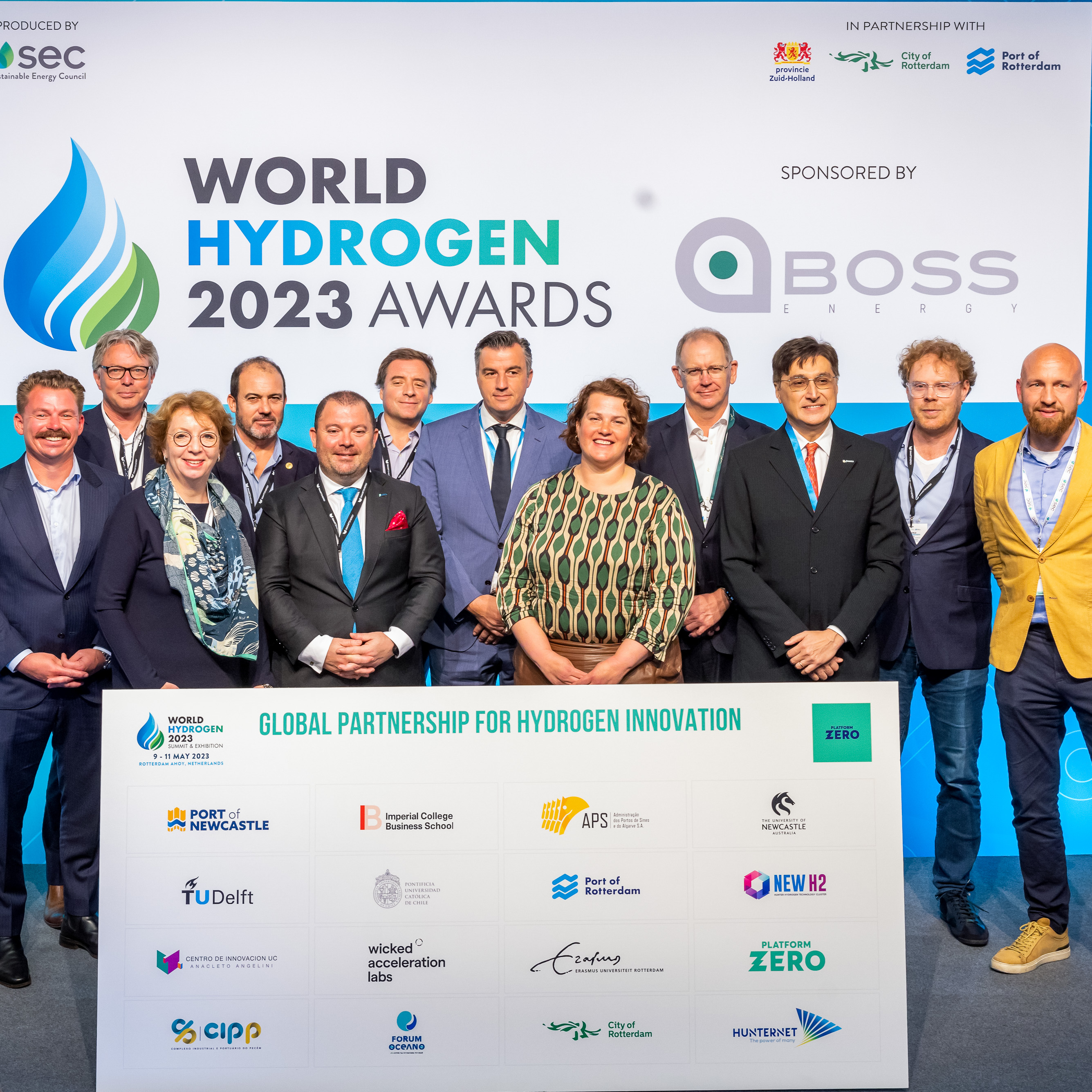
University takes another step in its efforts to deliver hydrogen innovations on a global scale
Read more
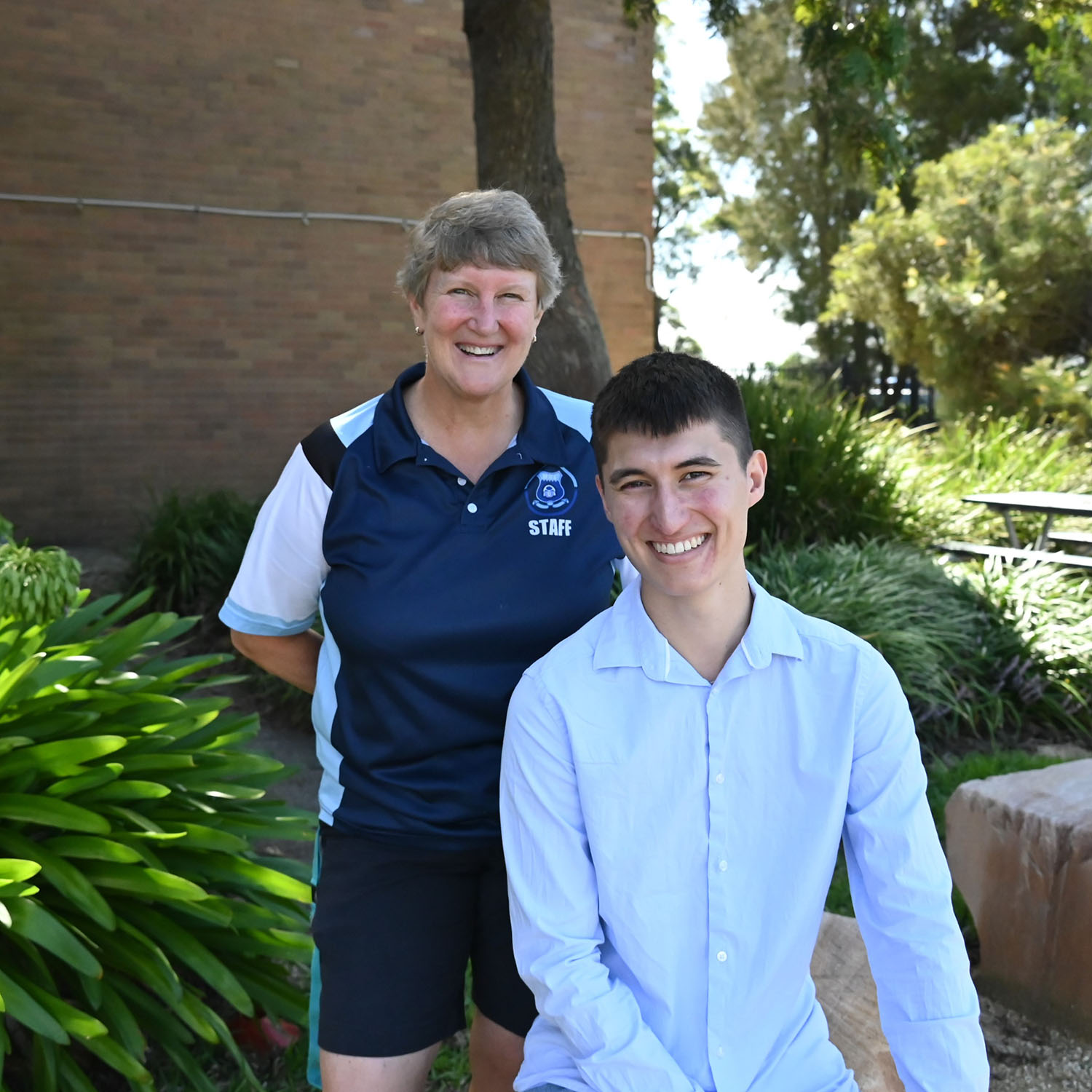
Groundbreaking new research and a scientific career sparked by a High School teacher
Read more
The University of Newcastle acknowledges the traditional custodians of the lands within our footprint areas: Awabakal, Darkinjung, Biripai, Worimi, Wonnarua, and Eora Nations. We also pay respect to the wisdom of our Elders past and present.