
Centres and groups
ARC Centres
Australian Research Council (ARC) Centres
COEMinerals
Enabling mineral sector transformation for a cleaner energy future
Based at the University of Newcastle, The ARC Centre of Excellence for Enabling Eco-Efficient Beneficiation of Minerals (COEMinerals) is a national research centre, funded by the Australian Government through the Australian Research Council Centres of Excellence funding scheme and comprising nine Australian universities, including the University of Newcastle.
Minerals are a finite resource, and many are becoming harder to recover against a backdrop of growing demand for minerals and metals to enable cleaner energy solutions as well as modern medical and other technologies and infrastructure.
The Centre’s diverse scientific team is addressing key industry and environmental challenges associated with mineral processing.
The Centre’s science-based, innovative approaches and technology inventions are resulting in higher minerals (metal) recovery with reduced environmental impact during mineral processing, including lower water consumption and less waste.
Find out more at www.coeminerals.org.au
University Centres
University Centres
BHP Centre for Sustainable Steelmaking Research
With the global shift to low-carbon iron and steelmaking technologies, the BHP Centre for Sustainable Steelmaking Research is at the forefront of innovation in low-carbon cokemaking, modified blast furnace and alternative iron and steelmaking processes.

Centre for Bulk Solids and Particulate Technologies
The Centre for Bulk Solids and Particulate Technologies (CBSPT) is actively involved in both fundamental and applied research on a range of problems associated with bulk solids and particulate technology. Research areas include storage, flow, processing and transportation of bulk solids. CBSPT also provides specialist courses for industry through its professional development programs.
Centre for Critical Minerals and Urban Mining
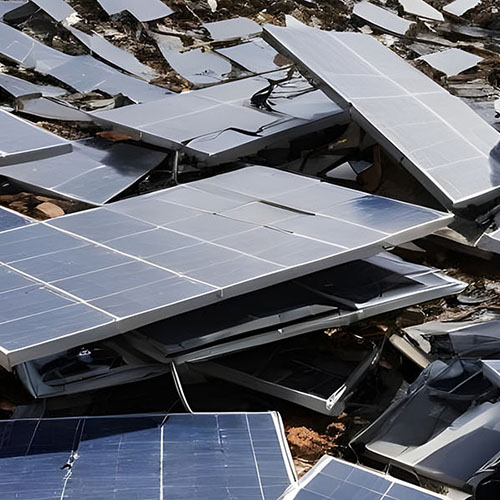
The transition to net zero depends on a secure supply of critical minerals and rare earth elements, and on better ways to recover value materials from urban waste. The Centre for Critical Minerals and Urban Mining (CRITIUM) brings together multidisciplinary scientific expertise and industry engagement to tackle these challenges and deliver transformational advances and real-world outcomes.
Centre for Geotechnical Science and Engineering
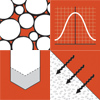
The Centre for Geotechnical Science and Engineering develops new models and innovative computational methods for predicting the behaviour of geomaterials, metals and composites. Advanced computational methods, coupled with laboratory and field testing are key tools in this pursuit.

Centre for Innovative Energy Technologies
The Centre for Innovative Energy Technologies conducts cutting edge research on emerging energy technologies, with particular focus on the abatement of greenhouse gases, and clean and sustainable energy production.

Centre for Integrated Resilience: Coasts, Water and Climate
The Centre for Integrated Resilience: Coastal, Water and Climate tackles big challenges like climate change, water security, coastal risks, and the health of ecosystems.
Centre for Organic Electronics
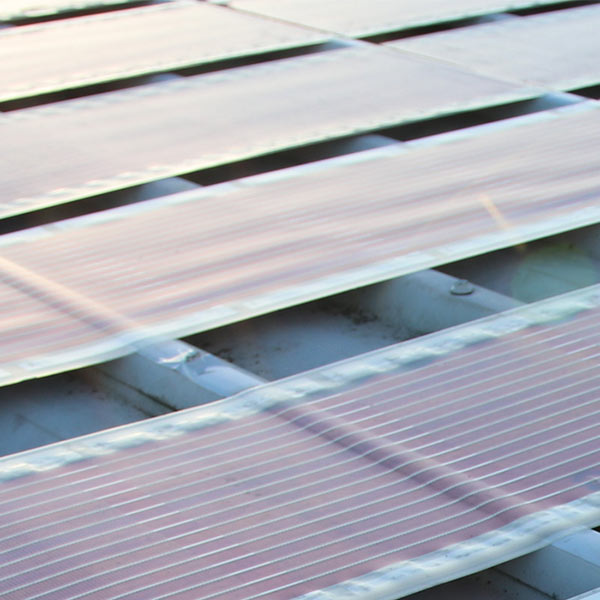
The Centre for Organic Electronics is focused on the scientific challenges in the development of organic photovoltaics for the next generation of environmentally friendly energy sources, photonics and biosensors.

Global Centre for Environmental Remediation
The Global Centre for Environmental Remediation (GCER) aims to safeguard people's social, economic and physical health and wellbeing by developing innovative, cost-effective and sustainable technologies and solutions that reduce the impact of pollutants on the environment.
Global Innovative Centre for Advanced Nanomaterials
Innovation in materials science and research to develop advanced technologies and solutions for the global energy, environment and health sectors.
The University of Newcastle acknowledges the traditional custodians of the lands within our footprint areas: Awabakal, Darkinjung, Biripai, Worimi, Wonnarua, and Eora Nations. We also pay respect to the wisdom of our Elders past and present.