
Harvesting the Future strengthens Australia-Indonesia collaboration in climate-resilient agriculture
University of Newcastle researchers Dr Shaleeza Sohail and Dr Teuku Geumpana are strengthening Australia–Indonesia collaboration in climate-resilient agriculture through a major international initiative connecting researchers, government representatives, industry partners, students and farming communities to address shared agricultural challenges
The pair, from the University's School of Computer and Information Sciences in the College of Engineering, Science and Environment, helped drive the Harvesting the Future 2026: Smart Farming for Climate Resilience program in South Sulawesi, Indonesia, in partnership with Hasanuddin University.
The grant was awarded to Dr Sohail, Dr Geumpana and Dr Muhammad Junaid from Hasanuddin University, supporting collaboration between the two institutions on climate-resilient agriculture.
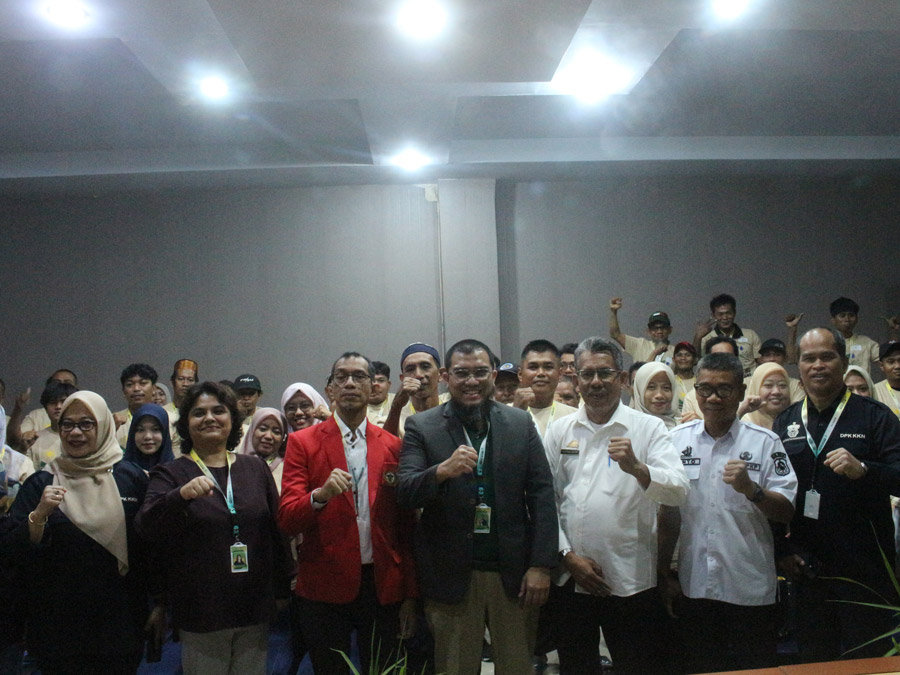
Day 1 of Workshop Series with Sidrap Farmers
The program engaged more than 400 participants in an international seminar, more than 250 online attendees and approximately 300 farmers through hands-on workshops, demonstrating how scientific research, local knowledge and emerging technologies can work together to support climate resilience and sustainable food production, with smart farming technologies designed to complement rather than replace farmers' knowledge and decision-making.
The collaboration reflects the University of Newcastle's commitment to building partnerships across the Asia-Pacific to address shared challenges and co-develop solutions that strengthen communities and industries.
Hosted at Hasanuddin University in Makassar, the international seminar brought together experts from Australia and Indonesia to discuss the growing challenges facing agriculture, including climate variability, water availability, pests, plant diseases and rising production costs.
"Harvesting the Future 2026 reflects our growing Australia–Indonesia partnership to advance practical agricultural innovation and climate resilience. By bringing together farmers, researchers and government representatives, we have created opportunities for meaningful knowledge exchange and gained valuable insights into farmers’ challenges and needs. These insights will help guide the development of accessible, farmer-centred smart agriculture solutions for a more sustainable future" - Dr Shaleeza Sohail.
Supporting farming innovation
Working directly with farmers in Sidrap Regency, Dr Shaleeza Sohail demonstrated multi-parameter soil sensors and explored how real-time soil and nutrient data can support decisions around crop management, soil health and water use.
Dr Teuku Geumpana highlighted the role of Internet of Things (IoT) technologies in climate-resilient farming, showing how sensor data can help farmers better anticipate weather impacts, irrigation needs and water shortages. The workshops gave farmers the opportunity to interact directly with smart farming technologies while sharing their experiences and priorities with researchers.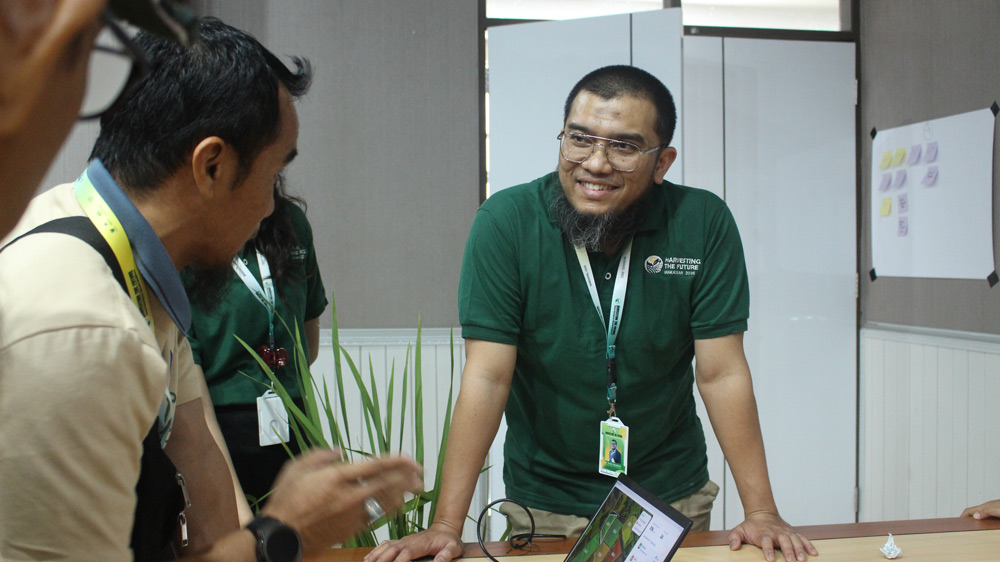
Dr. Teuku Geumpana from University of Newcastle Australia during the workshop series
Partnerships in practice
Farmers shared firsthand insights into the challenges facing their communities, including drought, water scarcity, shifting planting seasons, pests, rising production costs and unstable harvests. These conversations reinforced the importance of developing smart farming technologies that respond to local priorities and practical needs.
The program concluded with an international symposium at Hasanuddin University, where researchers, students, farmers and industry representatives came together to discuss future directions in smart farming and climate resilience. Presentations explored climate-smart sensing, early warning systems, smart water management, artificial intelligence, and drone technologies for agriculture.
The symposium also showcased research led by Dr Shaleeza Sohail on resilient rural artificial intelligence using hierarchical federated learning to forecast soil water levels. Her work focuses on making AI more accessible to rural farming communities through low-cost sensors, local data processing and farmer-friendly dashboards that support practical decision-making.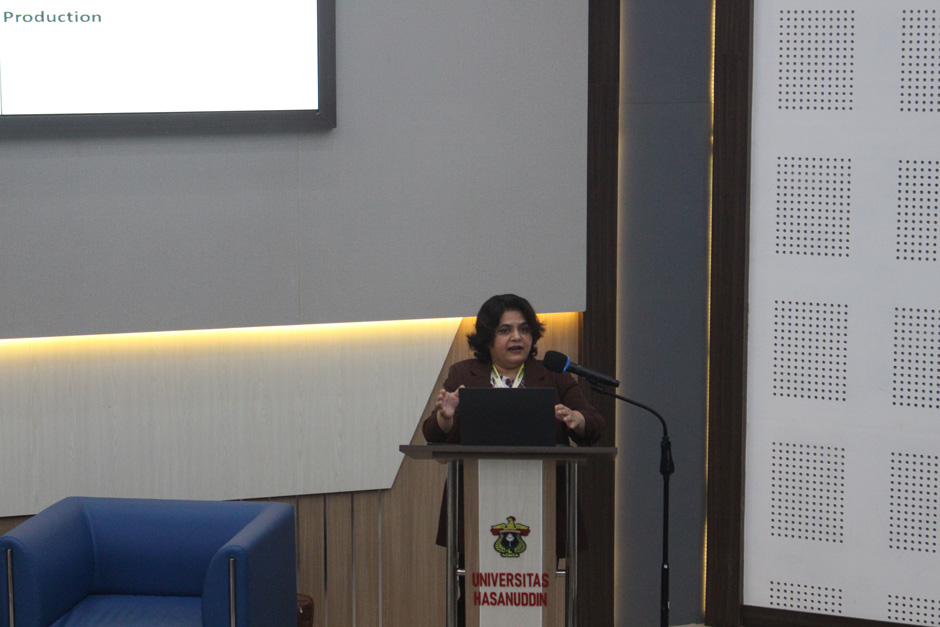
Dr Shaleeza Sohail
Planning is already underway for Harvesting the Future 2027, building on the relationships established through the program and creating new opportunities for collaboration between Australian and Indonesian researchers on climate resilience, sustainable agriculture and food security.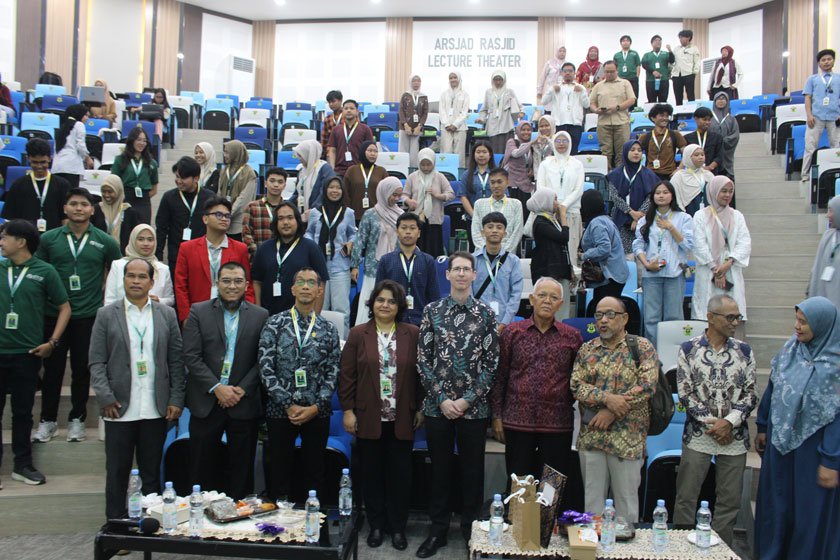
International Seminar speakers and participants at Harvesting the Future 2026
Related news
- Harvesting the Future strengthens Australia-Indonesia collaboration in climate-resilient agriculture
- Architecture student gains invaluable experience through remote Indigenous community design project
- Sugarloaf koalas show no evidence of chlamydia as population exceeds expectations
- Earth Science Week Inspires Discussion on Critical Minerals and Sustainable Futures
- New discoveries in tree ring dating
Aligned with the United Nations Sustainable Development Goals
The University of Newcastle acknowledges the traditional custodians of the lands within our footprint areas: Awabakal, Darkinjung, Biripai, Worimi, Wonnarua, and Eora Nations. We also pay respect to the wisdom of our Elders past and present.