Collaborative research for a safe and healthy coastal environment
The University of Newcastle and Central Coast Council have partnered to undertake a comprehensive scientific study of ocean outfalls and surrounding marine environments, strengthening their ongoing commitment to protecting public health and coastal ecosystems.
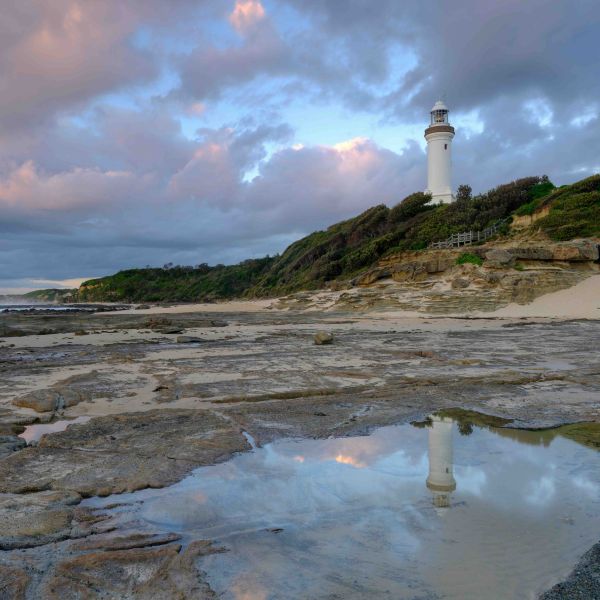
The Ocean Outfall Water Quality and Benthic Process Monitoring Program involves seasonal scientific surveys at Council’s three licensed near‑shore ocean outfalls at Winney Bay, Wonga Point and Norah Head. The program began in January 2026 and will run across a full year, with the study to be replicated at five-year intervals to provide long-term monitoring.
The research examines water quality and marine life on the seafloor (known as benthic environments) to better understand how ocean outfalls interact with the surrounding coastal ecosystem. The findings will support evidence‑based decision‑making and help guide future infrastructure planning and environmental management.
Council Mayor, Lawrie McKinna said the Ocean Outfall Water Quality and Benthic Process Monitoring Program reflects Council’s proactive approach to environmental stewardship.
“Council takes its responsibility to our community and our coastline very seriously,” Mayor McKinna said.
“This research allows us to stay ahead of the curve by working collaboratively to better monitor complex marine environments, ensuring we continue to operate safely and responsibly now and into the future.”
Council Director Water and Sewer, Jamie Loader said the monitoring program builds on existing robust water quality checks already in place.
“Our ocean outfalls are licensed and regulated by the NSW Environment Protection Authority (EPA) and this project adds another layer of scientific understanding,” Mr Loader said.
“By collecting long‑term data, we can identify trends early and make informed decisions that protect public health, support safe recreational swimming and safeguard marine ecosystems.”
The University of Newcastle is leading specialist marine investigations as part of the partnership, drawing on its extensive coastal and marine science expertise.
University of Newcastle Professor Troy Gaston, Associate Dean Engagement and Outreach, said the project would expand knowledge of the Central Coast’s marine biodiversity.
“The University of Newcastle has substantial marine science expertise, and this capability enables us to undertake complex coastal and marine investigations such as this,” Professor Gaston said.
“We’re pleased to be collaborating with Central Coast Council on this important project. Partnerships like this bring together local knowledge and scientific expertise to better understand and protect our coastal ecosystems.”
Community members may notice research vessels operating offshore near the outfalls during the monitoring period. These activities are part of scientific surveys and are not a cause for concern.
Related news
- University celebrates graduates making an impact in media, literature and health
- University of Newcastle appoints contractor for Hunter Building demolition
- Global evidence reveals the scale of humanity’s imprint in Earth’s geology
- Where Culture meets STEM: Empowering future leaders in Wadeye
- Housing challenge reshapes the future of regional growth
Aligned with the United Nations Sustainable Development Goals


The University of Newcastle acknowledges the traditional custodians of the lands within our footprint areas: Awabakal, Darkinjung, Biripai, Worimi, Wonnarua, and Eora Nations. We also pay respect to the wisdom of our Elders past and present.