
Team sport the MVP for kicking kids’ mental health goals
Findings from one of the most comprehensive reviews to date examining sport participation and mental health in children and adolescents reveals that organised sport, particularly team sport, can be a powerful setting for supporting mental health and social development.
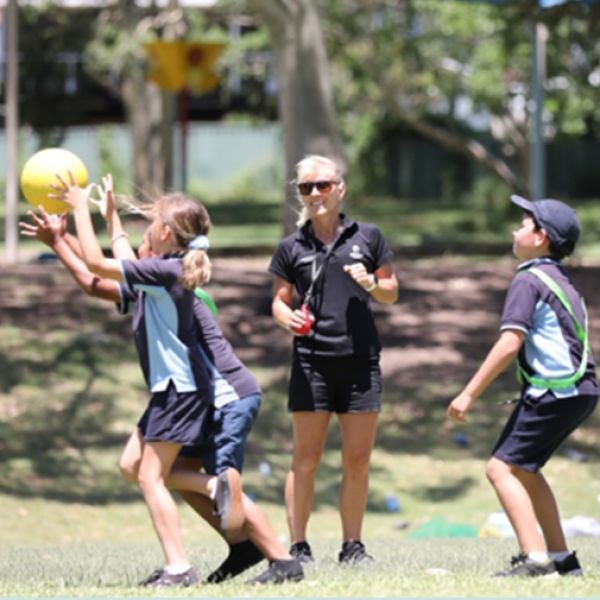
Led by researchers from the University of Newcastle’s Global Sport and Movement Collaborative, the review synthesised evidence from 189 studies spanning more than three decades and found that children and adolescents aged 5 to 17 who participate in organised sport tend to report better mental health, higher self-esteem, and stronger social outcomes such as belonging, prosocial behaviour, and interpersonal skills.
Importantly, the review also identified key pathways that may help explain these benefits, including:
* positive self-perceptions, such as confidence and skill mastery
* peer belonging, including feeling accepted and part of a group
* social support from teammates, coaches, and the broader sporting environment
The findings suggest that sport offers young people more than just the opportunity to be physically active. It can also provide a setting for building friendships, developing confidence, working towards shared goals, and feeling connected to others. Team sports showed stronger and more consistent benefits than individual sports, highlighting the importance of the social side of sport.
The review also emphasises the importance of the quality of the sporting environment. Inclusive team cultures, supportive relationships, and safe, well-structured settings may be central to maximising the mental health and social benefits of sport for young people.
Together, the findings strengthen the case for recognising and promoting organised sport, particularly inclusive and socially supportive team sport, as an important setting for supporting youth mental health and social development, with implications for future policies and programs.
Related news
- Where Culture meets STEM: Empowering future leaders in Wadeye
- Showing our support for the Koori Knockout
- Opinion: HSC students be ambitious, but also kind to yourself
- Vice-Chancellor Professor Alex Zelinsky to retire in February 2027
- Local sport gets a boost with new multisport facility honouring Mark and Kirralee Hughes
Aligned with the United Nations Sustainable Development Goals
The University of Newcastle acknowledges the traditional custodians of the lands within our footprint areas: Awabakal, Darkinjung, Biripai, Worimi, Wonnarua, and Eora Nations. We also pay respect to the wisdom of our Elders past and present.