
New outlook model indicates average to above average tropical cyclone activity and risk for Australia
Tropical cyclones have long been considered the most devastating weather phenomena to affect Australia.
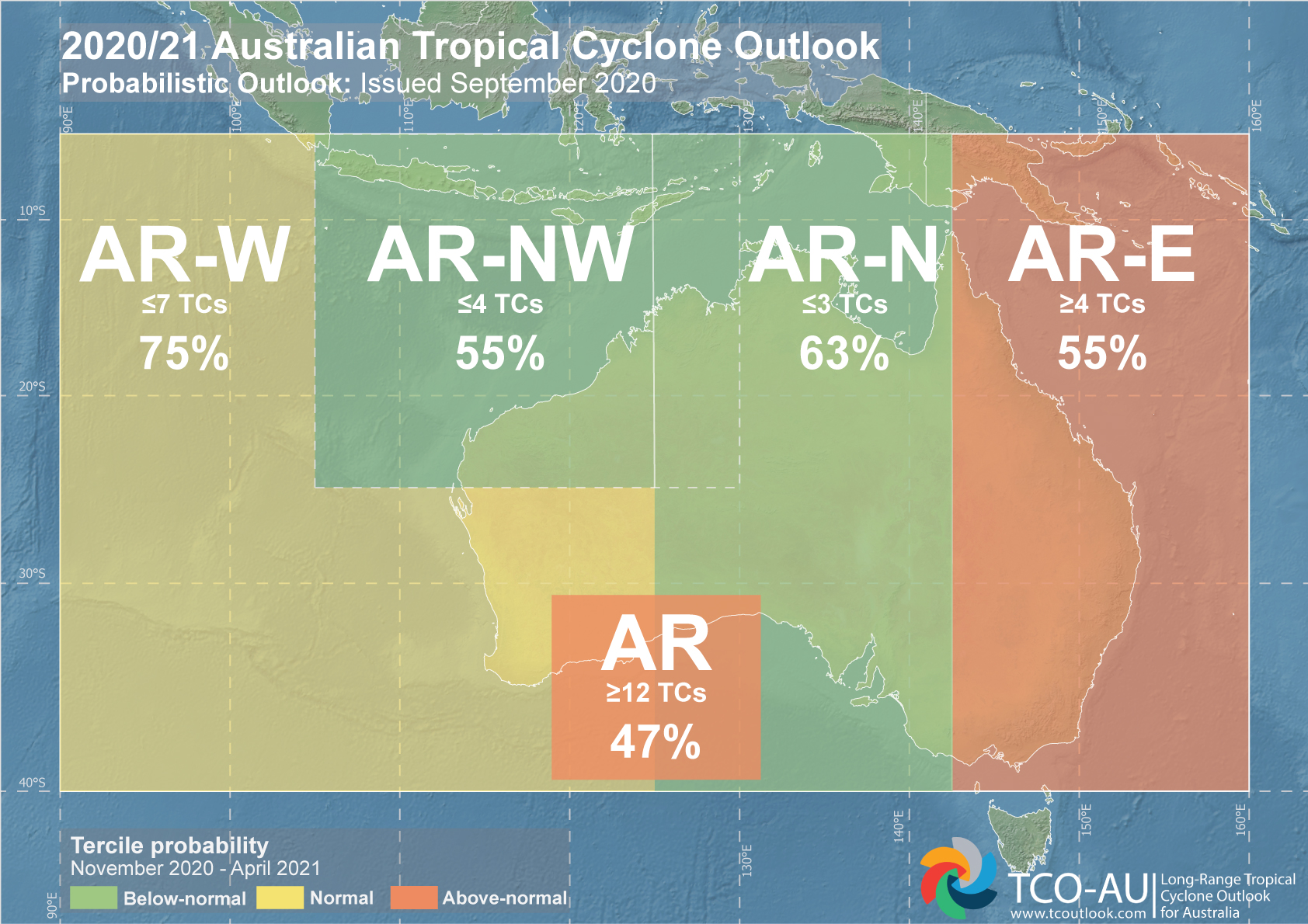
With a 94% chance that La Niña conditions will develop before the start of the tropical cyclone season - in Australia there are typically more cyclones during La Niña - a new outlook model is predicting average to above average tropical cyclone numbers for Australia this season (November 2020 – April 2021).
To be published on Wednesday 23 September in the Journal of Applied Meteorology and Climatology, the new model provides advanced early warnings about the number of tropical cyclones expected to impact Australia during the cyclone season.
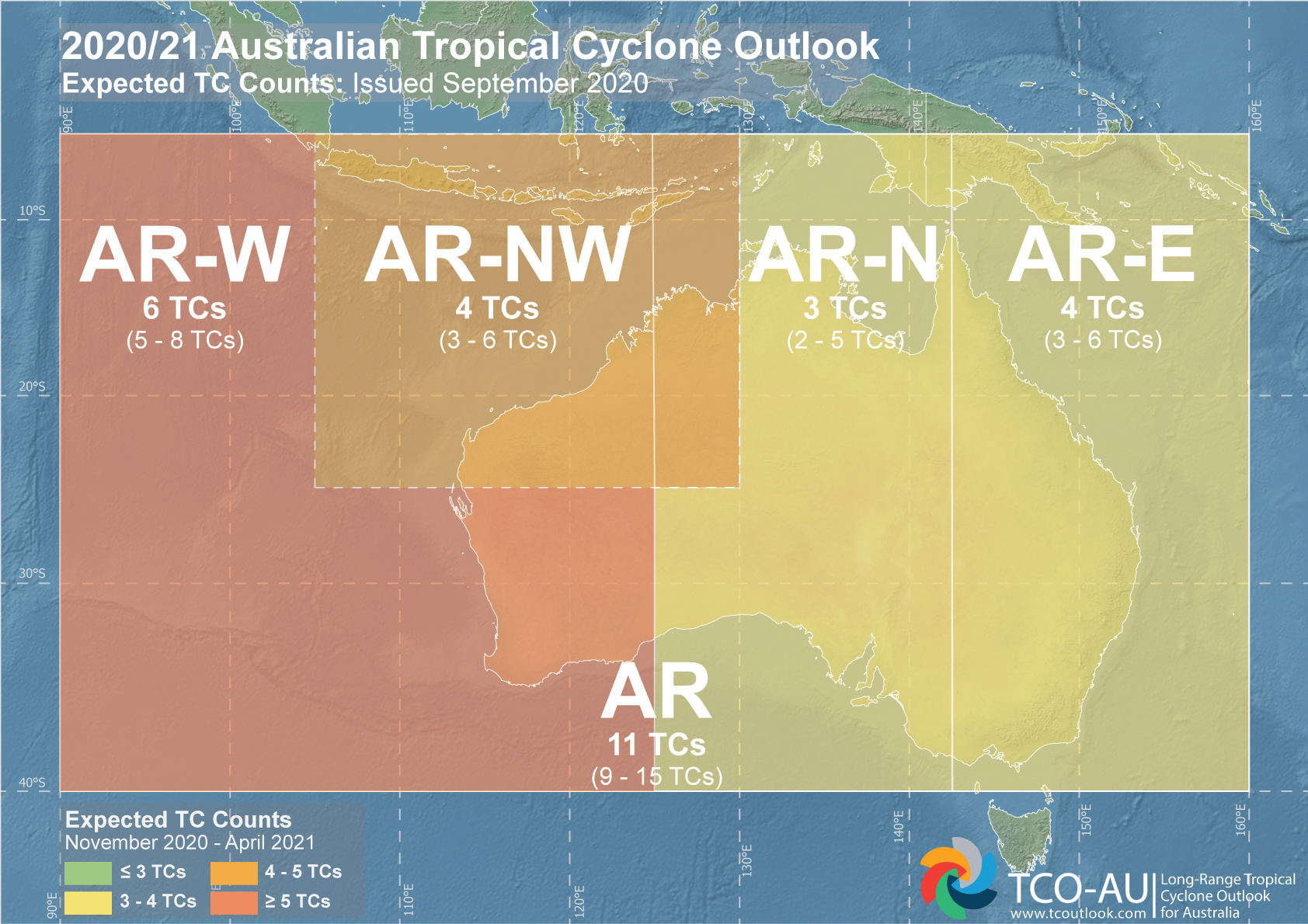
Developed by Climate Scientist Dr Andrew Magee from the Centre for Water, Climate and Land at the University of Newcastle, the new model enables government, emergency services, financial services, the insurance industry, the tourism sector, natural resource industries and all people living in tropical cyclone impacted regions to be better prepared in the months before the start of the tropical cyclone season.
The outlook model will be available publicly on 23 September at: https://tcoutlook.com/
In July Dr Magee and colleagues launched a Tropical Cyclone outlook model that can save lives in the Pacific.
The Australian Tropical Cyclone Outlook is driven by the latest research but does not and should not replace the advice offered by the Australian Bureau of Meteorology.
Related news
- Opinion: HSC students be ambitious, but also kind to yourself
- Vice-Chancellor Professor Alex Zelinsky to retire in February 2027
- Local sport gets a boost with new multisport facility honouring Mark and Kirralee Hughes
- Opinion: AI is our way back and investment's our future
- Every hour counts: Global study links assessment delays to higher risk of burst appendix
The University of Newcastle acknowledges the traditional custodians of the lands within our footprint areas: Awabakal, Darkinjung, Biripai, Worimi, Wonnarua, and Eora Nations. We also pay respect to the wisdom of our Elders past and present.