
Reduced Inequalities
Disability Access Scheme
In 2025, the University of Newcastle provided targeted access schemes and transition support for students with disability, designed to promote equitable participation in higher education. Through AccessAbility, specialist mentoring and personalised advice, the University helps students prepare for study, navigate university systems and participate confidently in academic life.
Targeted transition and early intervention in 2025
The University’s 2025 Higher Education Participation and Partnerships Program (HEPPP) Student Wellbeing report records targeted transition support and early intervention delivered by an AccessAbility Adviser during January–March 2025. This included assistance for students with disability to navigate University processes, access learning adjustments and use assistive technologies. The report also identifies a dedicated Alternative Exam Arrangements staff member who helped students with disabilities or temporary conditions obtain timely Reasonable Adjustment Plans.
Students can connect with AccessAbility services, learning supports and relevant University advisers to discuss their individual circumstances and prepare for the practical requirements of tertiary study. The University’s AccessAbility support services provide individual assistance such as academic adjustments, accessible learning materials, adaptive technology and referral to specialist support.
Specialist peer mentoring for autistic students
An established University initiative is the Specialist Peer Mentoring Program (SPMP), which offers autistic students one-to-one guidance from experienced student mentors. Mentoring helps participants develop study and organisation strategies, navigate campus services, build social connections and make the transition to university life. The programme is available to both new and continuing students registered with AccessAbility, with online and campus-based options described by the University.
The University recognised this specialist programme with a 2023 Accessibility Award for its contribution to neurodivergent students’ academic and social participation. On 11 November 2025, the University held a Specialist Peer Mentor recruitment information session for students interested in supporting autistic peers during 2026, demonstrating continued investment in the programme.
Additional access pathways and personalised guidance
Individualised transition support, including mentoring, course advice, and guidance on accessing university services is complemented by wider University access programmes. For example, the 2025 University story of medical student Arthur Demetriou documents a student with cerebral palsy who progressed from the Open Foundation enabling programme into medicine through the Excellence through Equity Pathway to Medicine. These pathways support students who have experienced educational disadvantage, although they are not disability-exclusive programmes.
For secondary school students, the University’s school and community engagement programmes include Friends on Campus, through which students in Years 10–12 can ask University staff and senior students about tertiary study. This is a broad school-to-university initiative rather than a disability-specific access scheme, and complements the targeted support available through AccessAbility.
The University also provides tailored careers and employability advice for students with disability, including individual consultations on career planning, job applications, communicating with employers and workplace adjustments. Students can bring a support person or Specialist Peer Mentor to appointments, helping sustain access from admission through study and towards employment.
Inclusive access across the University
The University’s Disability Inclusion Action Plan 2024–2025 provides the wider framework for more inclusive teaching, assistive technology, equitable placements and access to University life. It identifies specific actions and responsibilities over the reporting period and complements the University’s practical student access schemes.
Through targeted disability support, specialist peer mentoring and inclusive pathways, the University of Newcastle works to make the transition to higher education more accessible and supportive. These initiatives help students with disability build the confidence, connections and practical skills needed to participate and progress in their studies.
School programs
We engage broadly and deeply through schools and other organisations in our regions to ensure that our University is accessible to all.

Science and Engineering Challenge
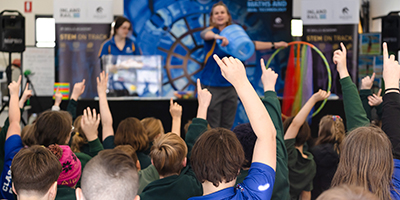
The Science and Engineering Challenge is a nationwide outreach program designed to inspire students to study science and engineering at a senior level.
School Holiday Courses
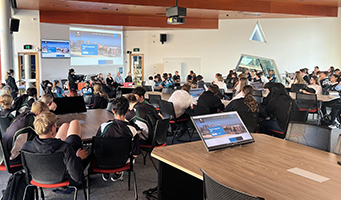
Year 11 and 12 students are invited to participate in FREE short university courses. These NUPrep courses will contribute towards students’ preparedness for HSC exams, starting tertiary education and their success in future workplaces.

Watt Space School Program
Watt Space Gallery has a range of services for schools, including guided tours and Professional Development workshops.

High Performing Students program
The High Performing Students Program gives exceptional high school students the opportunity to get a 'taste' of tertiary education by undertaking first year university courses while still at school.

Friends on Campus
Friends on Campus is a transition program for high school students in years 10, 11 and 12 who are thinking about studying at university. Students can ask questions and seek advice from senior university students and staff about moving from high school to university.
Community programs
Our staff, students and alumni are actively involved in communities across our regions making a valuable contribution in a range of important areas.

Indigenous community engagement
Ngiyang Nganggalidhi (Darkinung language meaning "we are talking) - Fostering strong links with community reinforces cultural values and beliefs.

Confucius Institute
The Confucius Institute is a non-profit organisation and the leading provider of high quality Chinese literacy programs in the Hunter, the Central Coast and regional NSW.

Music Lessons
The Conservatorium caters to the community with music lessons for all ages and levels of experience.

Department of Rural Health
The University's Department of Rural Health focuses on facilitating student placements and learning, enhancing the health of local communities through community projects and conducting research into rural health issues.


The University of Newcastle acknowledges the traditional custodians of the lands within our footprint areas: Awabakal, Darkinjung, Biripai, Worimi, Wonnarua, and Eora Nations. We also pay respect to the wisdom of our Elders past and present.