

Reduced Inequalities
Access to University: Track Underrepresented Groups' Applications
In 2025, the University of Newcastle continued to measure and track applications, admissions and enrolment outcomes for students from underrepresented groups. Equity-cohort reporting requirements and dated dashboard extracts support this monitoring. Comparing participation at different stages of entry helps the University identify access patterns and inform efforts to widen participation.
Monitoring applications and admissions in 2025
The University tracks participation across several equity groups, including:
- Aboriginal and Torres Strait Islander students
- Women, including women in non-traditional fields of study
- Students from low socio-economic status (SES) backgrounds
- Students from regional or remote areas
- Students with disability and other identified equity cohorts
We monitor applications, enrolments and student outcomes through equity-cohort reporting. Our Equity, Diversity and Inclusion Policy (effective December 2024) requires equity-cohort data analysis and annual reporting, overseen by the EDI Unit and Committee. The dashboard extracts below show this monitoring in practice for Aboriginal and Torres Strait Islander students, women and students from low-SES backgrounds.
The Student Success Strategy 2024–2025 requires equity performance reporting and monitoring of identified student subgroups. The Student Equity and Social Justice Plan promotes parity of participation across University communities.
2025 application and enrolment data
These monitoring extracts show application and enrolment proportions for Aboriginal and Torres Strait Islander students, women and low-SES students in 2024–2026. The 2025 figures are primary; 2026 is shown for context only.
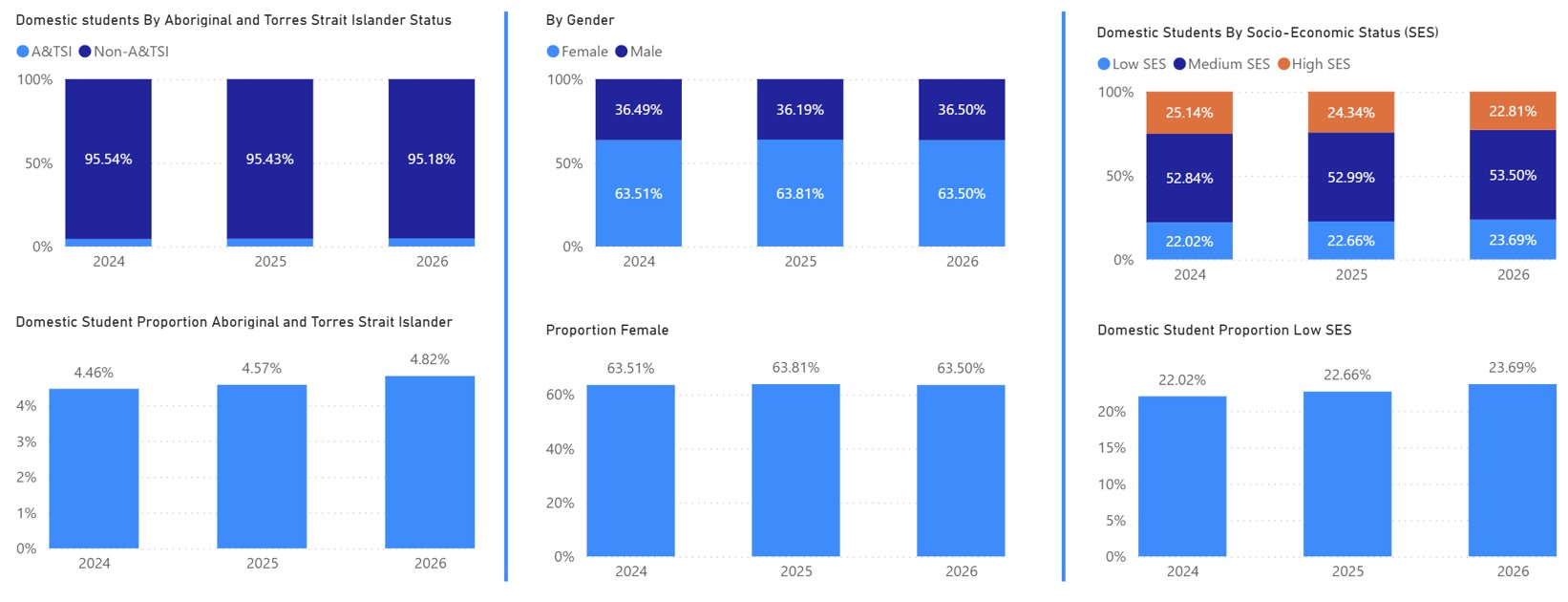
Figure 1. Undergraduate application proportions by equity group, 2024–2026.
For 2025 undergraduate applications, Aboriginal and Torres Strait Islander applicants comprised 4.57% of the relevant domestic applicant group; women comprised 63.81% of applicants in the gender breakdown; and low-SES applicants comprised 22.66% of the domestic SES group. These figures provide an overview of the representation of the groups shown at the application stage.
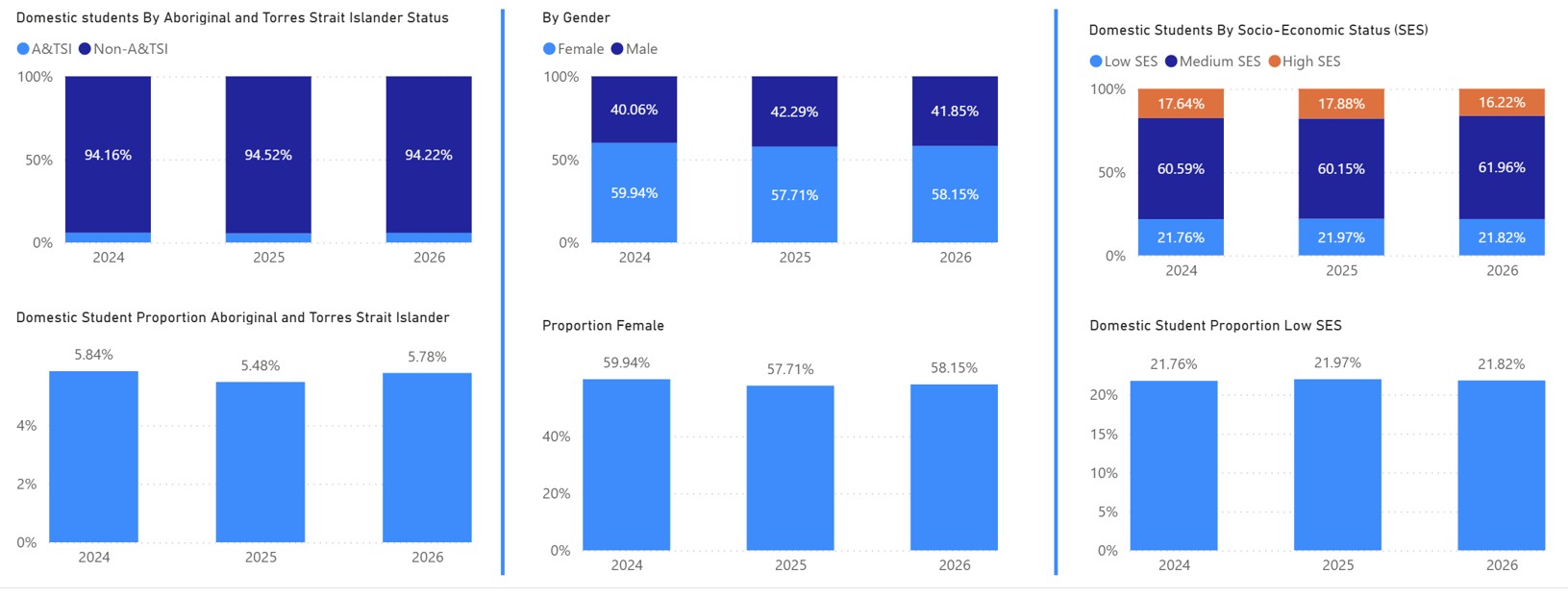
Figure 2. Undergraduate enrolment proportions by equity group, 2024–2026.
The corresponding 2025 enrolment proportions were 5.48% for Aboriginal and Torres Strait Islander domestic students, 57.71% for women in the gender breakdown, and 21.97% for domestic low-SES students. Alongside the application figures, these data track aggregate representation at successive stages of entry and support comparison of access patterns for the groups shown.
Transparent admissions reporting
The University publishes a 2025 commencing undergraduate admission profile for 8,610 students in the full-year intake. Of those, 33% had previous higher education study, 8% vocational education and training, and 10% entered through work or life experience, illustrating how different entry routes are monitored.
Our 2025 Annual Report provides further publicly available student-profile measures, including Indigenous representation, low-SES participation and first-in-family background. These measures help the University assess the breadth of its student community alongside application and admission trends.
Monitoring applications, admissions and enrolment patterns helps the University identify participation gaps and make informed decisions that broaden access to higher education.

Key Dates
2024
2024
2024
2024
2024
2024
2024
2024
2024
2024
2024
2024
2024
2024
2024
2024
2024
The University of Newcastle acknowledges the traditional custodians of the lands within our footprint areas: Awabakal, Darkinjung, Biripai, Worimi, Wonnarua, and Eora Nations. We also pay respect to the wisdom of our Elders past and present.