
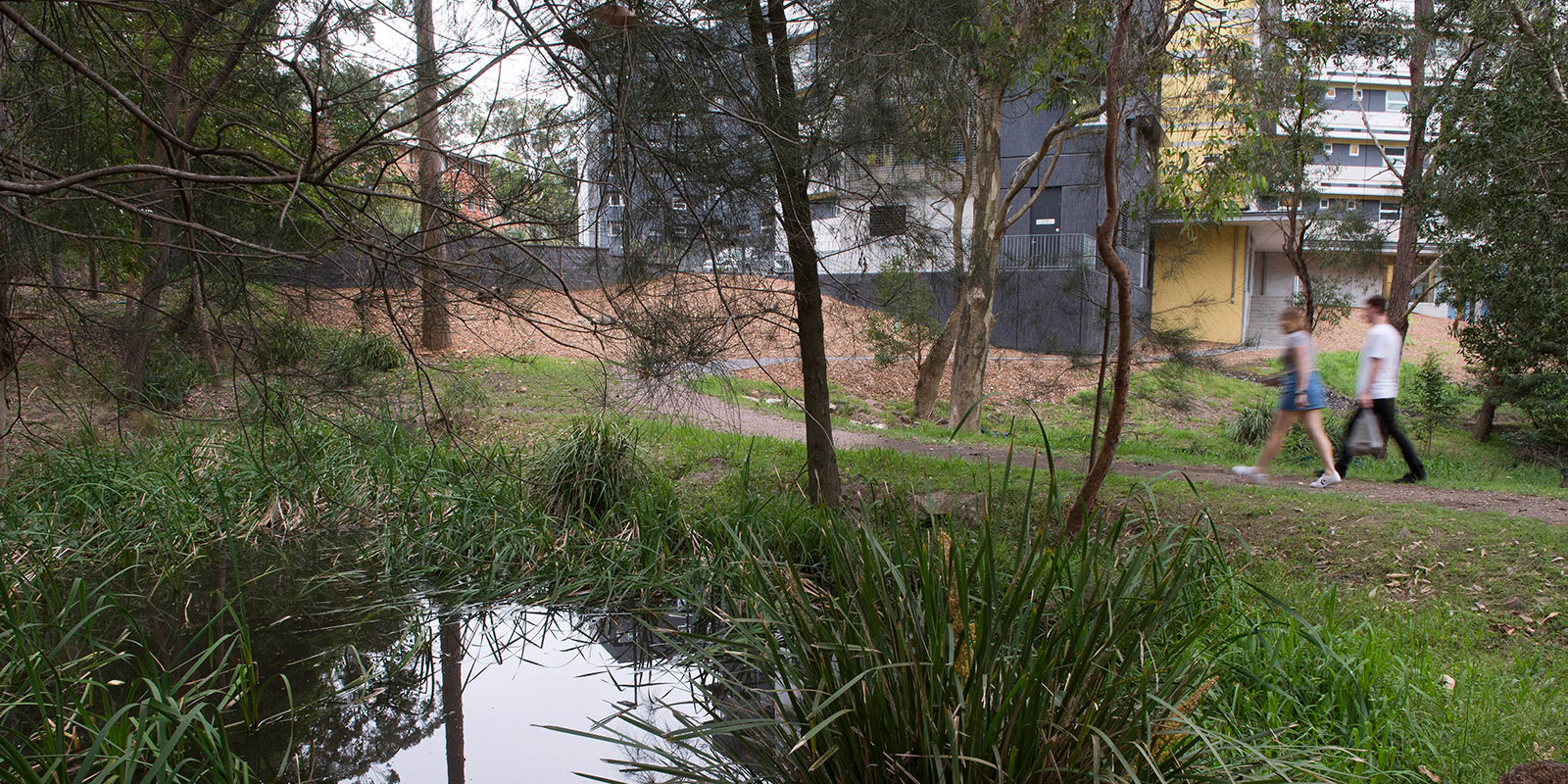

Peace, Justice and Strong Institutions
Identify and Engage with Local Stakeholders
The University of Newcastle has written policies, procedures and strategic frameworks that guide how it identifies and engages with stakeholders outside the University, including local residents, businesses, community organisations, government and First Nations representatives. Engagement is one of our University’s core values, and our approach combines formal consultation requirements with community-informed planning and partnerships.
Written procedures for stakeholder identification and consultation
The University’s Policy Framework (effective 14 January 2025) establishes a formal process for policy development and review. Under clause 22, policy owners and authors must identify relevant stakeholders and consult them while assessing risks and opportunities, with ongoing engagement during drafting. Clauses 29 and 32 provide for feedback on final drafts and records of consultation. These requirements allow perspectives from people and organisations affected by a policy, including external stakeholders where relevant, to inform decisions.
The framework was approved and took effect on 14 January 2025, placing the stakeholder-identification and consultation requirements within the 2025 reporting period.
Engaging local stakeholders in a 2025 campus development
The University’s May 2025 Communications and Engagement Plan for the Newcastle City Campus student accommodation development provides a practical example of written stakeholder-identification procedures. The plan contains an external stakeholder matrix that records stakeholder interests, anticipated impacts and appropriate engagement approaches. It identifies adjoining landowners, nearby businesses, community members, First Nations stakeholders, City of Newcastle and relevant public agencies.
The project plan provides for direct communication with neighbouring residents and businesses about construction impacts, opportunities for feedback and responses to community enquiries. It also identifies Connecting with Country consultation with First Nations stakeholders. The University retained approval responsibility for external project communications, while construction partners had defined responsibilities for communicating updates and collecting feedback. The plan was submitted in June 2025 and acknowledged by the NSW Department of Planning in August 2025.
Community input informing the University’s 2025–2030 Arts and Culture Strategy
The University’s Arts and Culture Strategy 2025–2030 demonstrates how engagement contributes to strategic planning. Its development involved an independent consultant and University steering group consulting people and organisations in the Hunter and Central Coast. It received contributions from 135 people, including First Nations cultural representatives, artists, creative businesses and arts and community organisations.
The consultation used individual discussions, group meetings, surveys and open submissions. Feedback informed the strategy’s priorities and its approach to partnerships, participation and cultural activity, showing how local voices can shape the University’s engagement programmes.
Longer-term engagement priorities and supporting procedures
The Looking Ahead Strategic Plan 2020–2025 established Engagement as a core University value and set priorities of Better, Healthier Living; Connected Communities; Next Generation Resources; and Growing Industries. Its development drew on broader consultation with students, staff and communities, providing the strategic foundation for partnerships with local and regional organisations through 2025.
The University’s Collaborative Research Procedure (2025 version) formalised how research collaborations with external institutions and partners are undertaken. The Project and Consultancy Procedure (effective 6 March 2025) established processes for scoping and approving external projects and consultancy opportunities. The Volunteer Management Policy also recognises volunteer engagement as a way to strengthen relationships with community stakeholders. These provisions support different types of external engagement alongside the University-wide policy consultation framework.
The University’s Institute for Regional Futures provides further examples of stakeholder analysis and participatory engagement in the Hunter, including facilitating community-values discussions for the Port of Newcastle and consultations supporting regional development. These examples demonstrate the practical application of the University’s engagement expertise, although the source does not establish them as newly delivered in 2025.
By embedding consultation requirements in its policies and using structured engagement plans for local projects, the University helps community perspectives inform decisions that affect the regions it serves. This approach supports sustained, constructive relationships with external stakeholders across research, planning and campus development.

Research partnerships
We forge lasting connections with industry, community and government partners to deliver real-world outcomes and impact.
Industry engagement teams
Whether you’re looking for business development support, intellectual property licensing or help getting your innovation off the ground, we have the expertise you need.
Knowledge Exchange and Enterprise
Our KEE team supports business development, intellectual property licensing, University spinouts and commercialisation opportunities.
Read more
TUNRA
TUNRA connects industry partners with University experts for consultancy, testing services, and industry short courses and training. It also provides geotechnical and bulk materials expertise and supports hosted research projects.
Read more
Integrated Innovation Network (I2N)
I2N is the University’s entrepreneurship and venture development unit. It fuels the success of innovators, entrepreneurs, startups and small businesses by connecting them to community, customers, coaching and capital.
Read more

Partner with the University of Newcastle 1:50
The University of Newcastle is continually producing innovation to solve real-world problems.
Solving our region's challenges together
Our researchers drive discoveries that challenge conventional thinking, break new ground and change lives. We are a research-intensive university and proud of the great things we have achieved with our partners in industry, business, government and the community, here and around the world.
The University of Newcastle acknowledges the traditional custodians of the lands within our footprint areas: Awabakal, Darkinjung, Biripai, Worimi, Wonnarua, and Eora Nations. We also pay respect to the wisdom of our Elders past and present.