World-leading study uncovers new targets for inflammatory bowel disease treatment
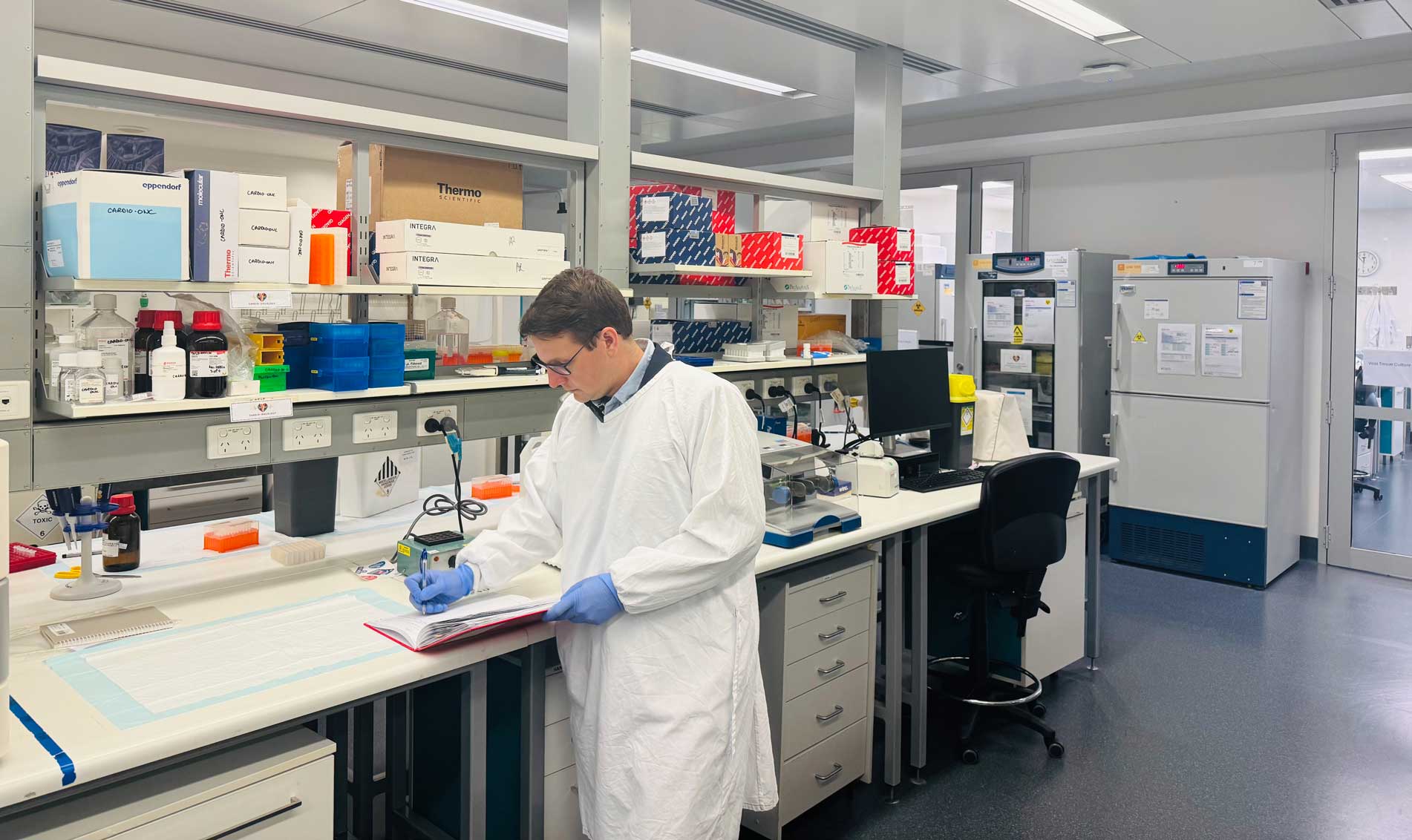
People living with inflammatory bowel disease (IBD) could one day benefit from a new generation of treatments thanks to groundbreaking research backed by philanthropic support.
Thanks to the generous support of the McCusker Charitable Foundation, researchers Professor Simon Keely and Associate Professor Gerard Kaiko, a University of Newcastle Alumnus, are advancing a promising new approach to treating IBD, including Crohn's disease and ulcerative colitis.
IBD affects more than seven million people worldwide and more than 100,000 Australians. The chronic conditions are characterised by recurring damage to the intestinal barrier, leading to inflammation and poor healing, which results in lifelong symptoms and often intestinal surgeries.
Rather than focusing solely on inflammatory pathways, the researchers are investigating how beneficial bacteria in the gut microbiome, and the molecules they produce, can be harnessed to repair the intestinal barrier and support long-term remission.
Thanks to the Foundation's generous support, the team has built what is believed to be the world's most comprehensive inflammatory bowel disease microbiome resource and a novel drug discovery pipeline, bringing together Australian and international patient data to accelerate new treatment discoveries.
Professor Keely reflects on the Foundation's long-term commitment, which he highlights as instrumental in the progression of this research.
This support allows us to advance our work identifying both harmful and beneficial bacteria in the microbiome and assessing their contribution to disease. Together, we are reaching a new frontier in gut health and chronic disease treatment.
Different states of the gut microbiome have long been clearly associated with health versus disease, but through recent advances in technology we are now finally seeing breakthroughs in identifying the individual parts of this complex mixture that can protect against disease. These are our targets for development as new therapeutics. We are sincerely grateful to the McCusker Charitable Foundation for its vision, continued generosity and passion for our work," Simon says.
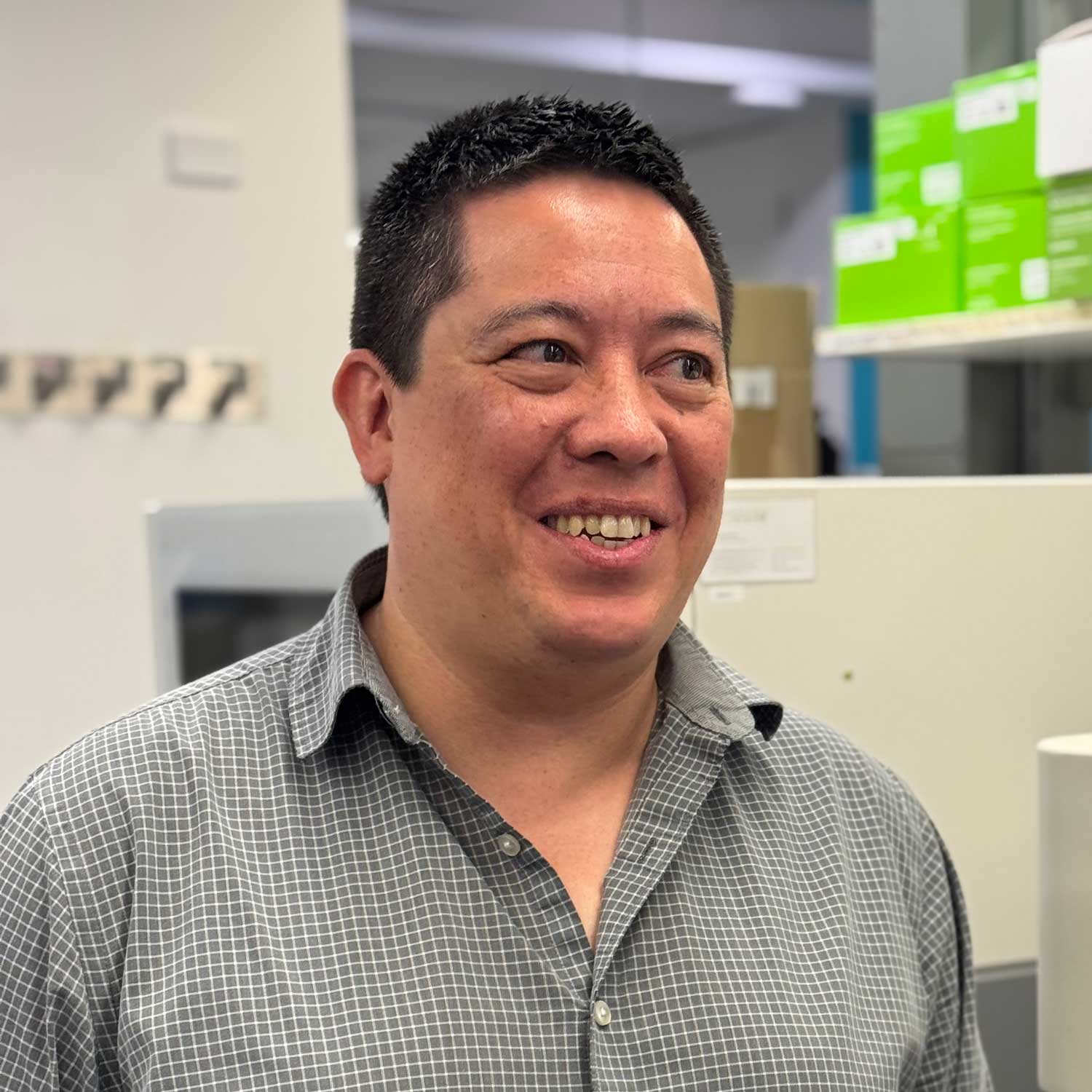
Professor Simon Keely
School of Biomedical Sciences and Pharmacy
Tonya McCusker AM from the McCusker Charitable Foundation, reinforces how proud the Foundation is to support research with the potential to deliver meaningful outcomes for patients across the world.
The Foundation is committed to supporting world-leading research that can be translated into real-world impact, improving health and wellbeing for communities in Australia and beyond," Tonya says.
Highlighting the international significance of their research, Kaiko and Keely's work has recently been published in Signal Transduction and Targeted Therapy, one of the world's highest impact biomedical journals.
In this work, the team developed the first drug discovery pipeline to systematically identify proteins produced by healthy gut bacteria and test them as potential therapeutics. Using this approach, they discovered a new drug candidate that protects the intestinal lining from disease-related damage, opening a new avenue for treatment that goes beyond suppressing the immune system.
This type of approach has wider potential to be helpful in many other diseases also linked to the microbiome, including allergies, response to cancer therapies, and other autoimmune diseases.
With continued philanthropic support, the researchers are now advancing the next phase of their work, bringing them closer to developing targeted microbiome-based therapies that could improve the lives of people living with IBD across Australia and around the world.
Contact
- Office of Philanthropy
- Phone: 02 4921 8612
- Email: donor-relations@newcastle.edu.au
Related news
Aligned with the United Nations Sustainable Development Goals

The University of Newcastle acknowledges the traditional custodians of the lands within our footprint areas: Awabakal, Darkinjung, Biripai, Worimi, Wonnarua, and Eora Nations. We also pay respect to the wisdom of our Elders past and present.