
Indigenous-led research to reach more communities
Community demand is driving the next phase of the 'Which Way? Women's Program' to expand beyond NSW.
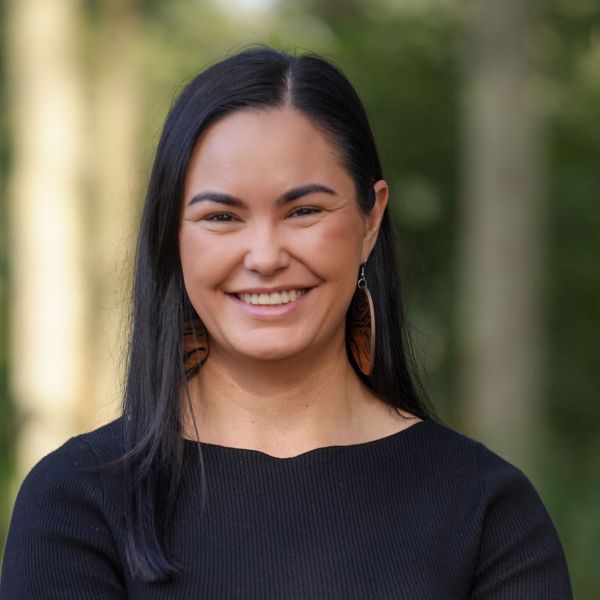
The project will be led by Gomeroi early-career researcher Dr Felicity Collis, an HMRI** affiliate and researcher in the University of Newcastle's School of Medicine and Public Health. Dr Collis is the recipient of a 2026 National Heart Foundation of Australia First Nations Cardiovascular Disease Grant.
The project builds on more than a decade of Indigenous-led and community-driven research established by Professor Michelle Kennedy (Wiradjuri) that aims to reduce smoking and vaping among Aboriginal and Torres Strait Islander people.
The research team will help develop a practical national framework that Aboriginal and Torres Strait Islander health services and communities can use to adapt, deliver and sustain the program into the future.
“This project empowers women to care for themselves and each other to be healthy and strong in this generation and for the ones that will follow in their footsteps.” Dr Collis said.
“It's an exciting next step because it responds directly to requests from communities who see the benefit of having this program available in their communities.”
Commercial tobacco use remains the single largest modifiable risk factor for cardiovascular disease, making smoking and vaping cessation an important pathway to improving long-term health outcomes for Aboriginal and Torres Strait Islander women and their families.
The 'Which Way? Women's Program' combines culturally safe and responsive group support, with behaviour change strategies, women's resources and cessation planning.
The project will also support emerging Aboriginal and Torres Strait Islander researchers, helping strengthen future leadership in cardiovascular health, tobacco control and Aboriginal and Torres Strait Islander health research.
“Capacity building for Aboriginal early career researchers is important to ensure Aboriginal and Torres Strait Islander research is led in an ethical and culturally safe way, grounded in Indigenous worldviews,” Dr Collis said.
Image courtesy of Djukal Arts.
**HMRI is a partnership between the University of Newcastle, Hunter New England Health and the community.
Related news
Aligned with the United Nations Sustainable Development Goals
The University of Newcastle acknowledges the traditional custodians of the lands within our footprint areas: Awabakal, Darkinjung, Biripai, Worimi, Wonnarua, and Eora Nations. We also pay respect to the wisdom of our Elders past and present.