Cardiovascular grants back researchers tackling heart health
University of Newcastle and HMRI* researchers have secured NSW Ministry of Health funding to address heart-health challenges in regional communities.
Helping cancer patients survive without harming the heart
NSW Cardiovascular Senior Researchers Grant – $748,000
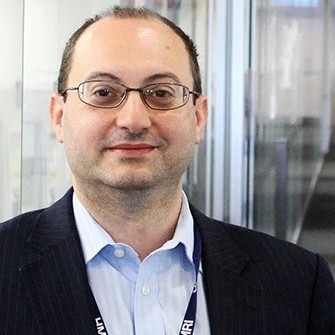
Professor Aaron Sverdlov is leading research to make cancer treatment safer for patients by reducing the risk of long-term heart damage.
While cancer treatments can save lives, some of the most effective therapies may weaken the heart and increase the risk of heart failure during or after treatment.
Professor Sverdlov’s project, co-led by Professor Doan Ngo, will investigate why certain cancer drugs harm heart cells and test new strategies designed to protect the heart while allowing cancer treatment to continue.
Using animal modelling to identify safer treatment combinations, researchers aim to reduce hospital admissions, treatment interruptions and long‑term heart disease in cancer survivors.
Alongside this research, the project will establish, deliver and evaluate a physician‑led telehealth cardio‑oncology service for patients in Maitland and Tamworth, NSW.
By combining new treatment strategies with improved access to specialist care, the project will help improve quality of life and support safer long-term survivorship for cancer patients across NSW.
The research builds on the work of the Newcastle Cardio-Oncology Centre of Excellence, which already supports thousands of patients across regional NSW through integrated clinical care and research.
How air pollution before birth affects the developing heart and lungs
NSW Cardiovascular Early-Mid Career Researcher Grant – $450,000

Dr Tatt Jhong Haw is leading new research to better understand how air pollution affects heart and lung health early in life. It will focus on exposure to bushfire smoke and coal mining dust during pregnancy – and how this may shape a child’s lifelong risk of heart and respiratory disease.
As part of the Newcastle Cardio-Oncology Centre of Excellence, Dr Haw’s team will use novel animal models they developed to study how fine particles from bushfire smoke and coal mining dust can damage the developing heart and lungs.
While links between pollution and poor birth outcomes are known, this project will uncover how that damage occurs, by showing how different organs interact and respond to fine particle exposure before birth.
By analysing tissues from these animal models, the researchers will identify key biological changes that drive disease.
The research aims to pinpoint new biological markers that could help identify children at higher risk of disease and guide better prevention and treatment.
The findings will also support clearer public health advice and stronger environmental health policies, particularly for regional and rural communities regularly exposed to bushfire smoke and coal mining dust.
*HMRI is a partnership between the University of Newcastle, Hunter New England Health and the community.
Related news
- Tiny ocean microbe unlocks new clue to Earth's carbon cycle
- Opinion: AI is our way back and investment's our future
- World-leading study uncovers new targets for inflammatory bowel disease treatment
- Every hour counts: Global study links assessment delays to higher risk of burst appendix
- Meet the robot scientists transforming research discovery
Aligned with the United Nations Sustainable Development Goals
The University of Newcastle acknowledges the traditional custodians of the lands within our footprint areas: Awabakal, Darkinjung, Biripai, Worimi, Wonnarua, and Eora Nations. We also pay respect to the wisdom of our Elders past and present.