Scientists find a fast, new way to recover high-grade silver from end-of-life solar panels
University of Newcastle researchers have developed a fast, safe and highly effective method to recover high grade silver from end-of-life solar panels, without using acid.
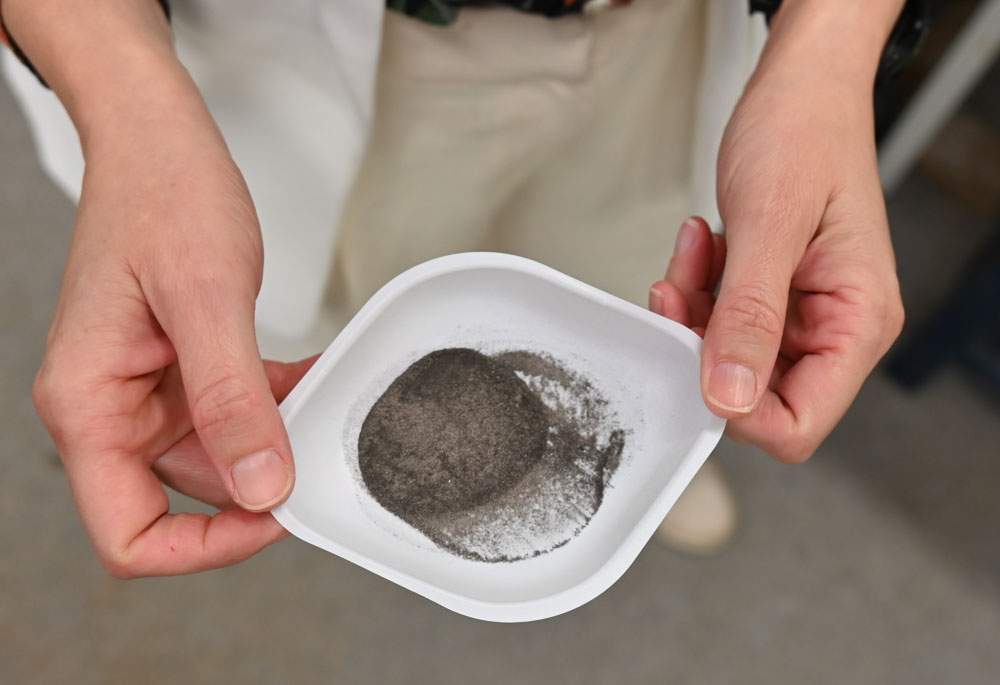
The new approach recovers more than 97 per cent of the silver from an end-of-life photovoltaic (PV) panel in just a few minutes, using a physical separation technique.
This is a stark contrast to commonly used recovery methods today, which take hours and rely heavily on chemical-intensive processes, creating significant environmental and safety challenges for large-scale application.
The new method combines comminution— where the panels are mechanically crushed and ground into fine particles — followed by flotation, a separation technique that uses water, air bubbles and a small amount of standard floatation reagents to float valuable metals to the surface while waste materials sink.
The research was led by Associate Professor Mahshid Firouzi, from the University of Newcastle’s Centre for Critical Minerals and Urban Mining (CRITIUM).
Associate Professor Firouzi said solar panels, and the valuable minerals they contain, do not need to end their life as waste.
“By using flotation – a fast and well-established minerals beneficiation technique – we can recover almost all of the silver in an end-of-life solar panel in just a few minutes, without using any acid.
“While froth flotation is widely used in mining to separate valuable minerals from ore, this is, to our knowledge, the first demonstration of froth flotation for recovery of metallic silver from recycled, ground solar panels – something many in the field believed was not feasible,” Associate Professor Firouzi said.
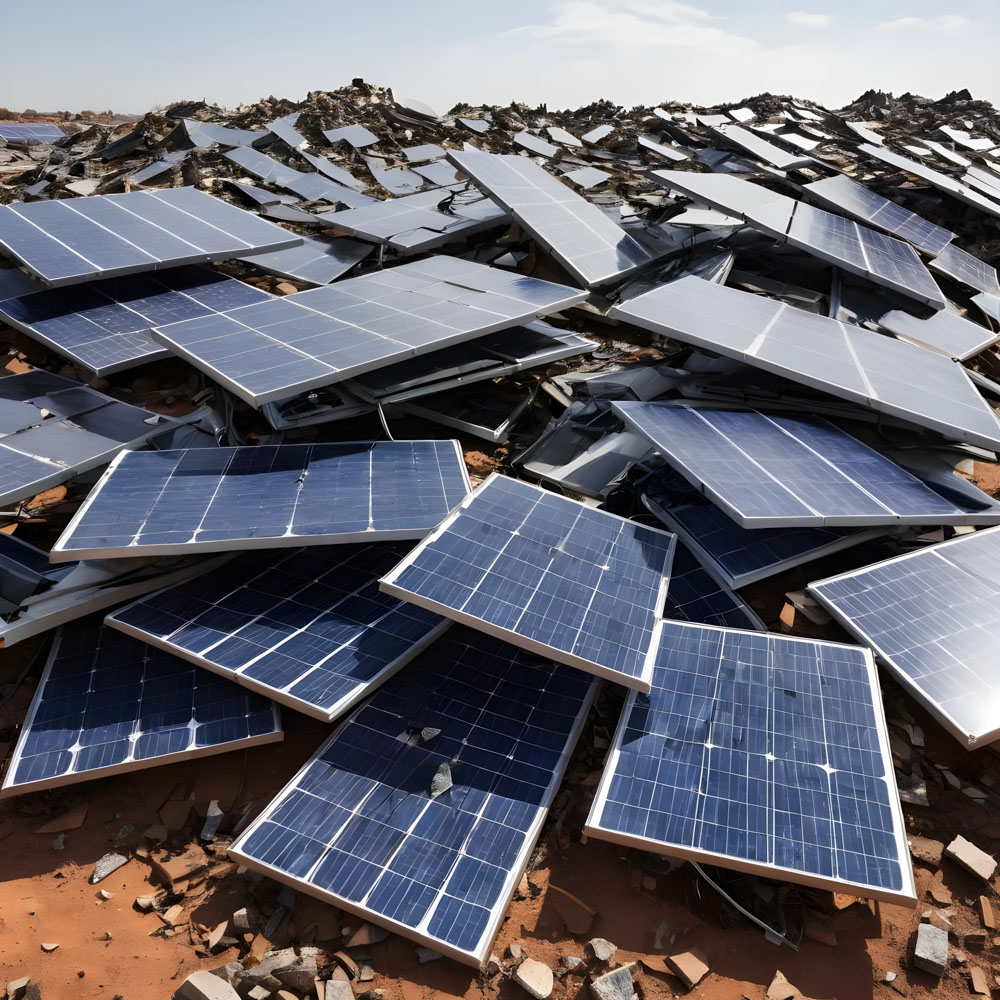 End-of-life PV panels can contain high silver concentrations of 300–500 parts per million (ppm), comparable to – and is some cases exceeding – the cut-off grade of primary silver mines.
Australia is a world leader in solar uptake, with the highest solar capacity per capita. By 2050, more than one million tonnes of waste panels are expected in Australia, containing an estimated 300–500 tonnes of silver.
Over an 18-month study, scientists from two University of Newcastle research centres based at its Newcastle Institute for Energy and Resources (NIER) collaborated on ‘comminution’ and ‘flotation’ techniques to achieve the result.
The project team includes Associate Professor Firouzi from CRITIUM, PhD candidate Hamidreza Saffarian (both pictured) from the ARC Centre of Excellence for Enabling Eco-Efficient Beneficiation of Minerals (COEMinerals), who played a key role in generating these results, and Laureate Professor Kevin Galvin, Director of both research centres.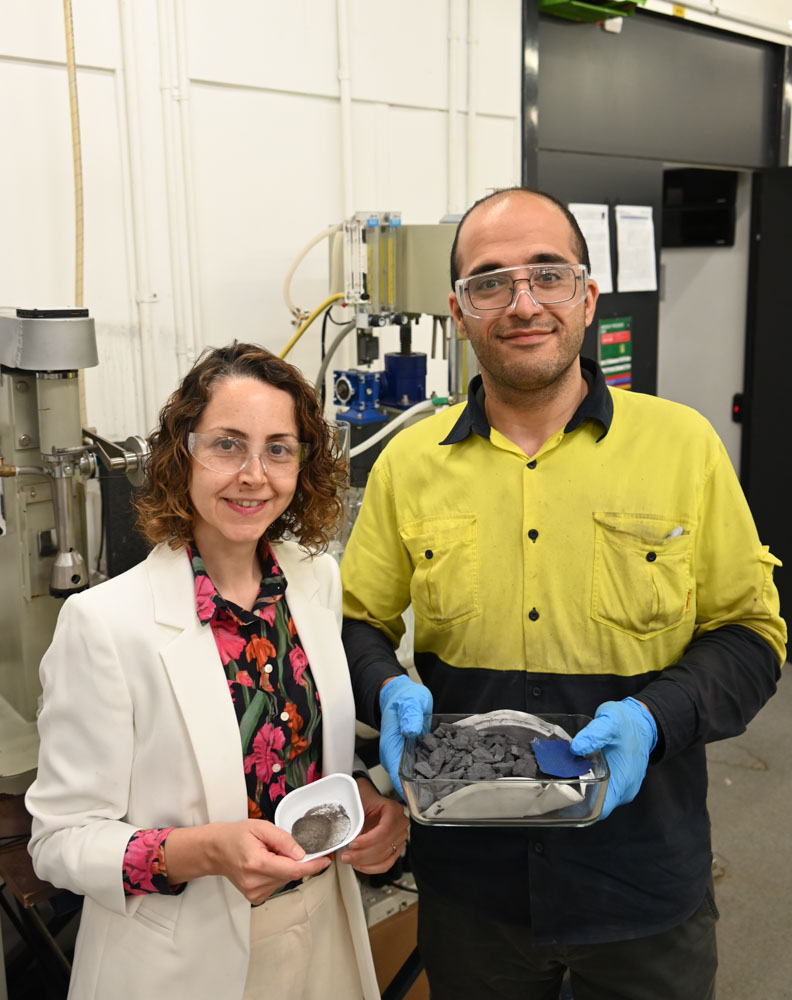
The researchers tested and refined the mineral-recovery technique using end-of-life PV samples supplied by industry partner, Circular Solar Solutions. The research was also supported by industry partner, KGM Services Pty Ltd/The Solar Professionals, through a Cooperative Research Centres Projects funding grant.
Jeremy Grant of The Solar Professionals said:
“We are impressed with what the researchers have achieved in such a short timeline, which exceeded our expectations. We’re excited about the opportunities to further refine and apply the techniques to advance metal recovery from end-of-life PVs in future. This is a great team and University for innovative-active firms to collaborate with.”
The research team is also investigating the recovery of silicon from end-of-life PV panels. Silicon makes up nearly 90 per cent of the weight of a crystalline solar cell and is a critical material in global solar manufacturing.
Associate Professor Firouzi said silver was only the starting point.
 “Silver was our first test case, but there are likely significant opportunities to apply comminution, flotation science and hydrodynamic techniques to unlock billions of dollars’ worth of other metals and minerals currently trapped in urban and mining waste.
“We cannot afford to let these valuable resources go to waste,” Associate Professor Firouzi said.
The project ultimately aims to commercialise sustainable end-of-life solutions for recovering valuable metals and minerals from PV panels and other materials. In turn supporting a circular economy and creating new jobs in resource recovery and advanced manufacturing.
Related news
- University of Newcastle engineering leader awarded prestigious Engineers Australia Fellowship
- Showing our support for the Koori Knockout
- Opinion: HSC students be ambitious, but also kind to yourself
- Vice-Chancellor Professor Alex Zelinsky to retire in February 2027
- Local sport gets a boost with new multisport facility honouring Mark and Kirralee Hughes
Aligned with the United Nations Sustainable Development Goals

The University of Newcastle acknowledges the traditional custodians of the lands within our footprint areas: Awabakal, Darkinjung, Biripai, Worimi, Wonnarua, and Eora Nations. We also pay respect to the wisdom of our Elders past and present.