
New research shows global abundance of small microplastics is grossly underestimated
For the first time, researchers have examined small microplastics around the marine surface waters of the Whitsunday Islands region of the Great Barrier Reef Marine Park, Australia, to ask how small is our big microplastic problem?
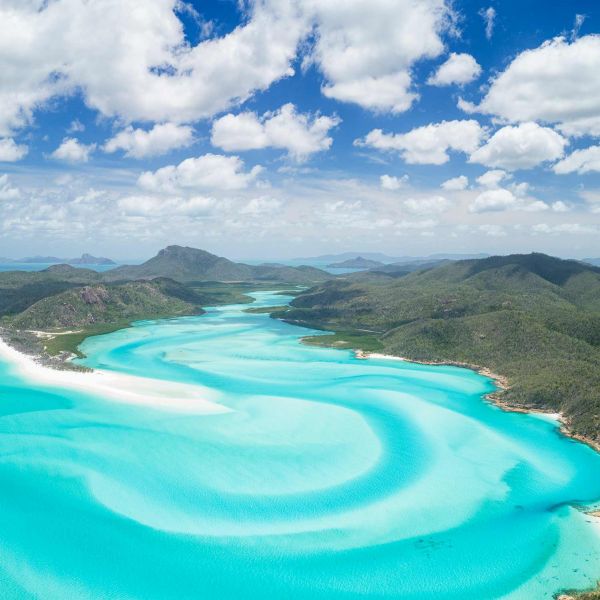
Microplastics are plastic particles smaller than 5 millimetres and present a serious threat to the environment. Little research has been done on the smallest microplastics, which are more hazardous as they are more likely to interact with the marine environment.
Research was undertaken around the Whitsunday Islands region as a testing ground for ‘semi-populated’ areas. As a tourist attraction with wide open spaces, it allowed researchers to also view the impact of microplastics on similar marine surface waters.
The findings from the research, led by Dr Khay Fong from the University of Newcastle, were published in the Marine Pollution Bulletin and indicate the global abundance of small microplastics in marine surface waters are grossly underestimated and requires further investigation.
The researchers will be carrying out further investigations into the abundance of these small microplastics and their threat to our vulnerable ecosystem.
Contact
- Rachel De Giorgio
- Email: rachel.degiorgio@newcastle.edu.au
Related news
- University of Newcastle engineering leader awarded prestigious Engineers Australia Fellowship
- Opinion: HSC students be ambitious, but also kind to yourself
- Vice-Chancellor Professor Alex Zelinsky to retire in February 2027
- Local sport gets a boost with new multisport facility honouring Mark and Kirralee Hughes
- Tiny ocean microbe unlocks new clue to Earth's carbon cycle
Aligned with the United Nations Sustainable Development Goals
The University of Newcastle acknowledges the traditional custodians of the lands within our footprint areas: Awabakal, Darkinjung, Biripai, Worimi, Wonnarua, and Eora Nations. We also pay respect to the wisdom of our Elders past and present.