Our impact
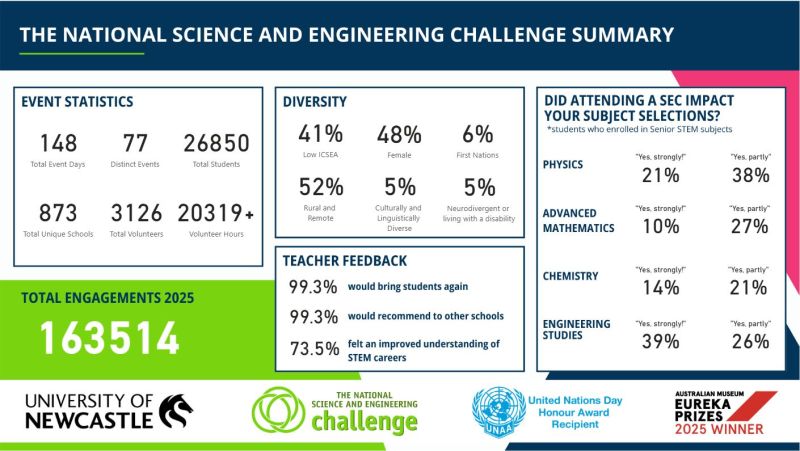
In 2025, the National Science and Engineering Challenge national program involved more than 26,800 students from over 873 schools across Australia. More than half were in rural or remote regions of the country; 48% were female, 5% were from non-English speaking backgrounds, and 6% identified as Aboriginal or Torres Strait Islander.
More than 480,000 students have been involved in the National Science and Engineering Challenge (SEC) since the program began at the University of Newcastle in 2000. We celebrated our 25th year in 2025 with many celebrations including being awarded the Eureka prize for STEM inclusion, inviting over 100 SEC supporters to a National final dinner celebration and a home National Final held at the Callaghan Campus of the University of Newcastle.
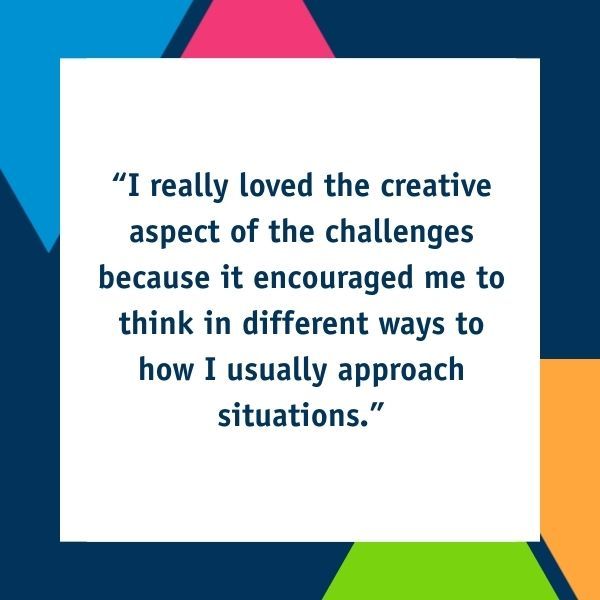
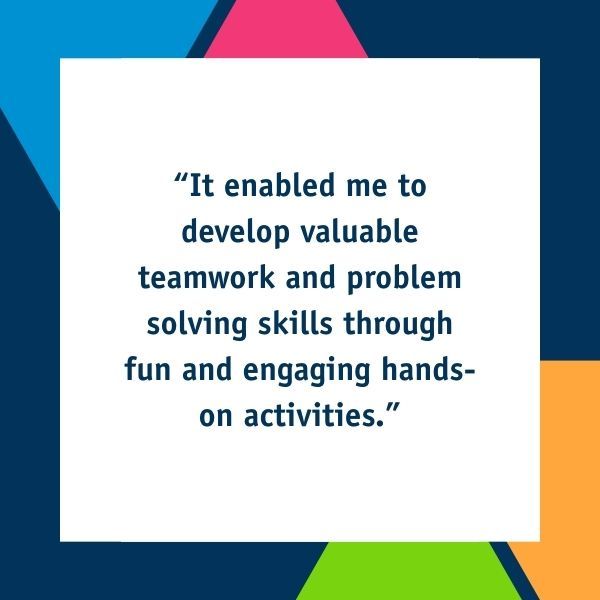
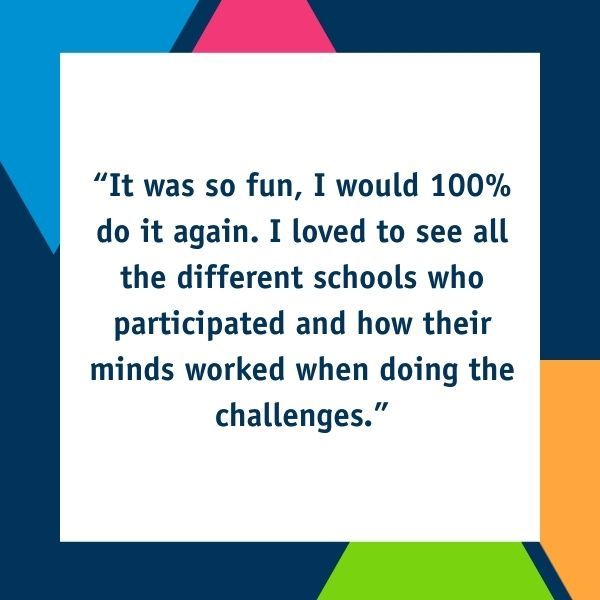
Student Survey Responses
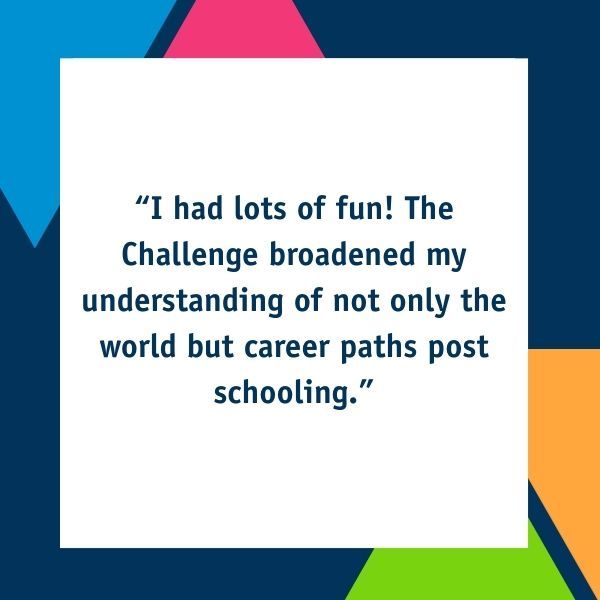
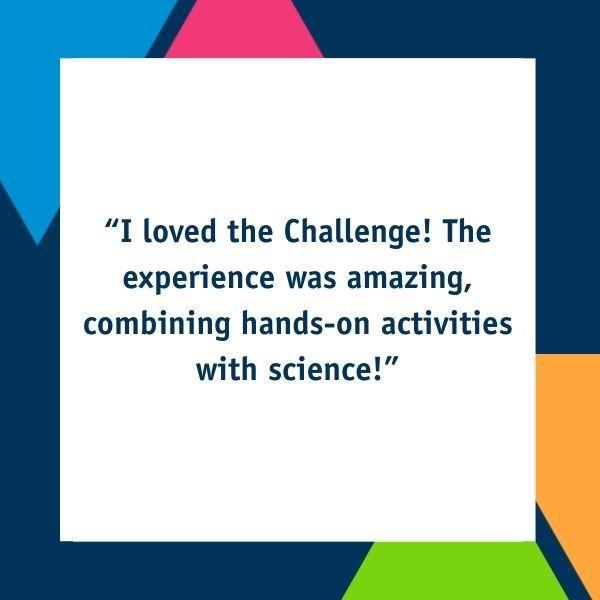
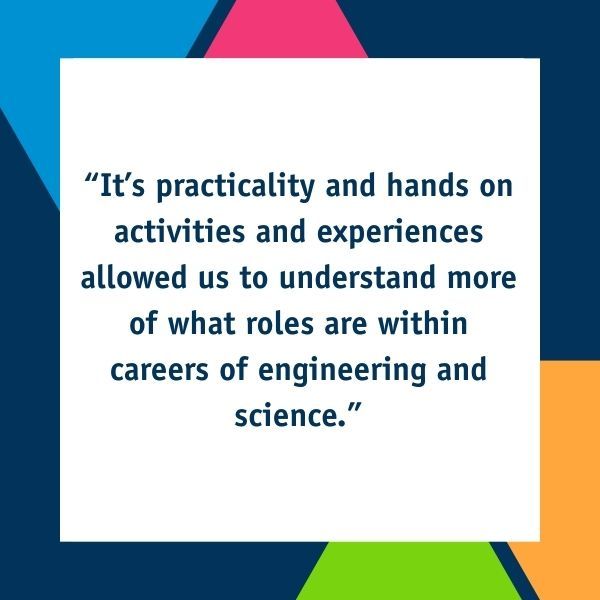
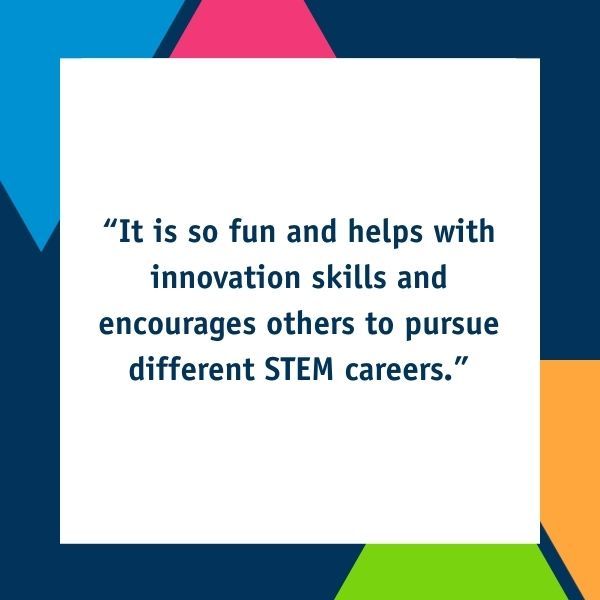
What was the most valuable aspect of attending the National Science and Engineering Challenge?
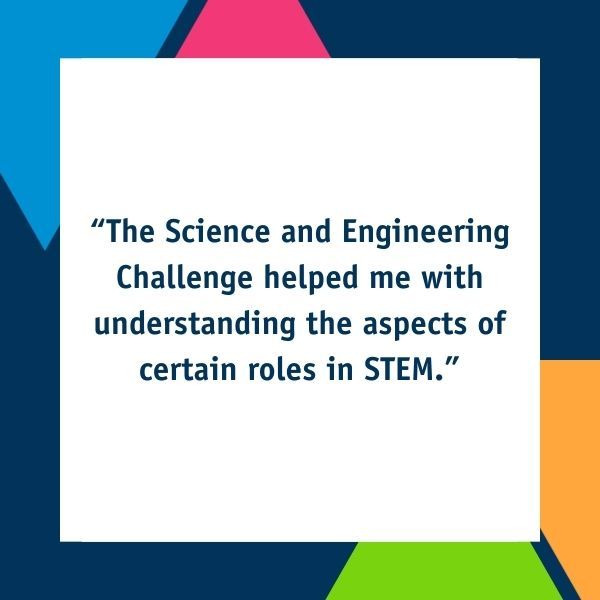





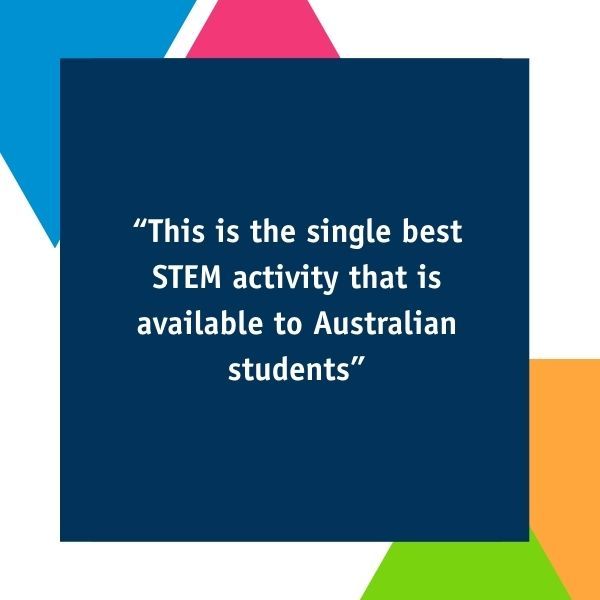
Teacher Survey Responses
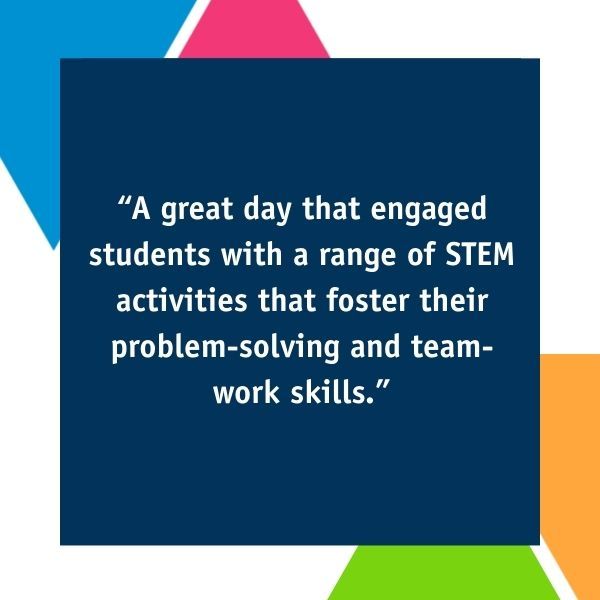
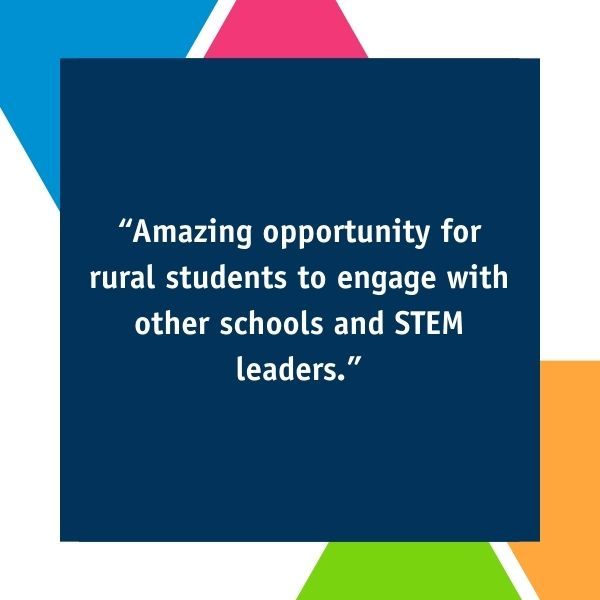
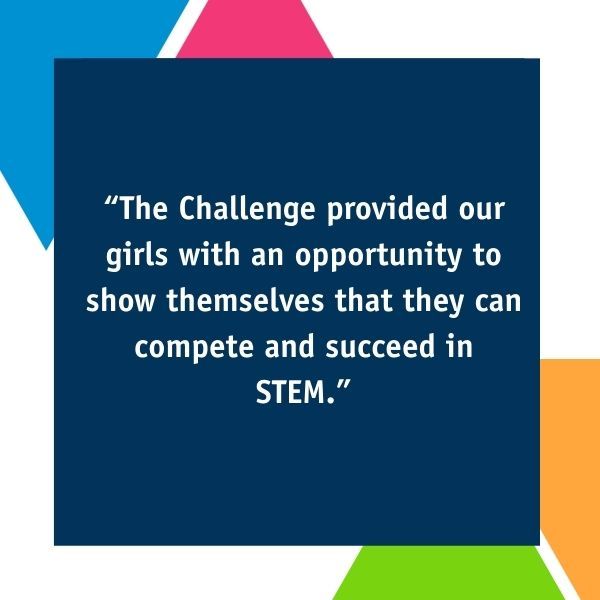
What were your impressions of the National Science and Engineering Challenge?



Past research
In 2021, Reed et al.1 published an article entitled 'STEM Outreach: Are We Making a Difference? A Case Study Evaluating the Science and Engineering Challenge Program' based on student survey data collected over a 10 year period.
"From 2006 to 2015, 5,210 high school and 2,445 first-year university students were surveyed to assess whether the SEC influenced their decision to pursue STEM studies. Of the high school physics students, 51.9% reported that the SEC influenced their decision to study physics. A smaller yet significant impact was reported by chemistry (35.2%) and mathematics (32.0%) students. Further, 30.9% of university students indicated that the SEC influenced their decision to pursue a STEM degree."
1. Reed, S., Prieto, E., Burns, T. and O'Connor, J., 2021. STEM Outreach: Are We Making a Difference? A Case Study Evaluating the Science and Engineering Challenge Program. Journal of Higher Education Outreach and Engagement, 25(2).
The University of Newcastle acknowledges the traditional custodians of the lands within our footprint areas: Awabakal, Darkinjung, Biripai, Worimi, Wonnarua, and Eora Nations. We also pay respect to the wisdom of our Elders past and present.