
Health, Medicine and Wellbeing
By fostering resilience, growing interprofessional skills, and mobilising collective action, our College is committed to delivering better, healthier living for our communities.
Enabling better, healthier living in our communities and beyond.
We are doctors, nurses and midwives. Pharmacists, occupational therapists, biomedical scientists, physiotherapists. Epidemiologists, nutritionists, radiographers. And so much more. We are leaders and listeners.
About our College
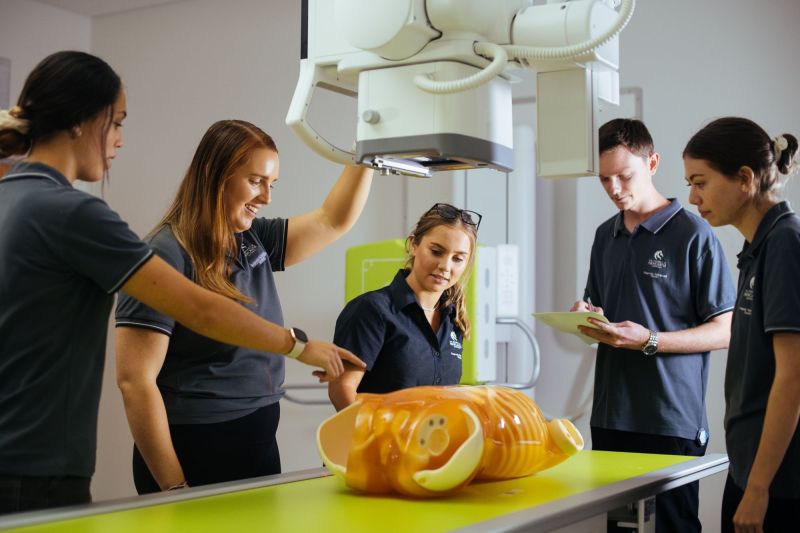
Our College strives to make a difference by preparing exemplary, career ready health care and health research professionals, and producing world-leading research that builds capacity for excellence in healthcare intervention.
Our Schools

School of Biomedical Sciences and Pharmacy

School of Health Science

School of Medicine and Public Health

School of Nursing and Midwifery
Research stories
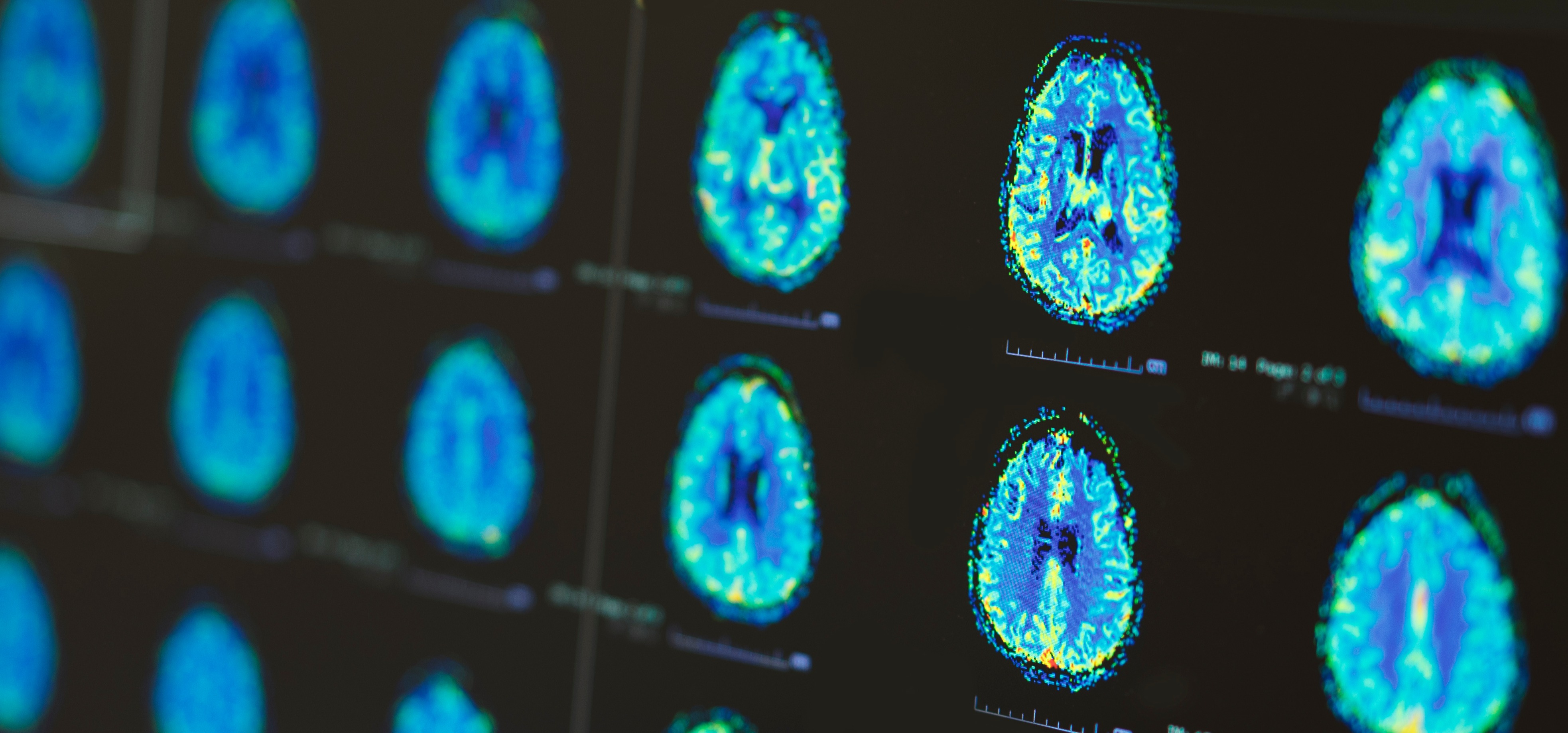
Buying time for stroke patients
Researchers at the University of Newcastle are pioneering a world‑first therapy that boosts the brain’s collateral blood flow, extending the treatment window for stroke patients and enabling more people to access life‑saving interventions.
Read more

How 57,000 women are shaping health policy in Australia
Researchers from the University of Newcastle and the University of Queensland have created the largest and longest-running women’s health study in Australian history – and its findings are shaping policy and practice at the state, national and international levels.
Read more

Tracking flu outbreaks to improve public health
The University of Newcastle’s FluTracking program uses weekly crowd‑sourced data to detect the onset and severity of influenza and other respiratory illnesses, helping health officials monitor outbreaks across Australia and internationally.
Read more
Research Institutes & Centres
Tackling the issues that matter to our regions and our world.
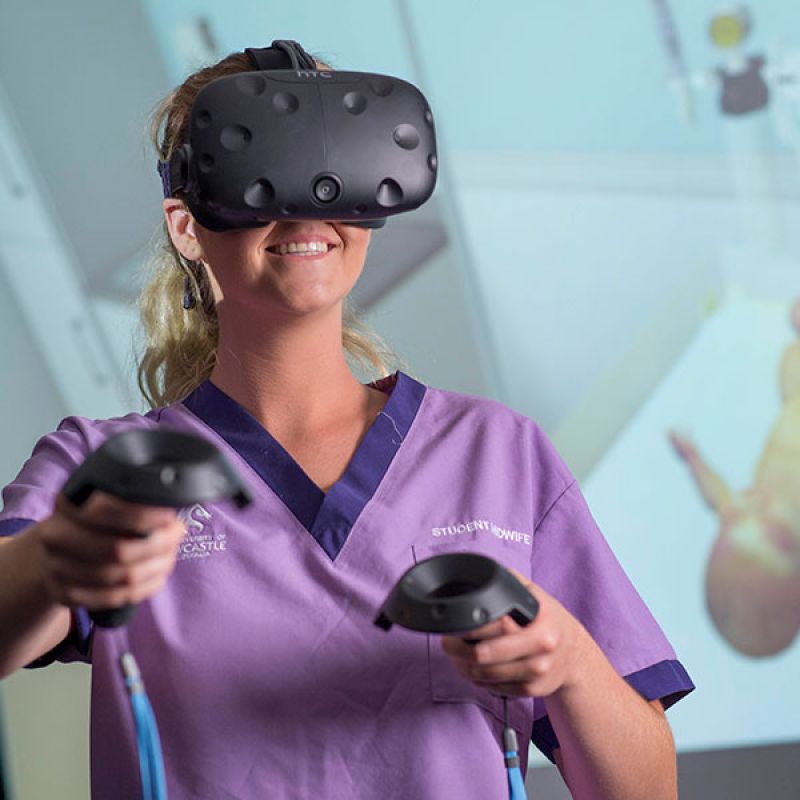
Education
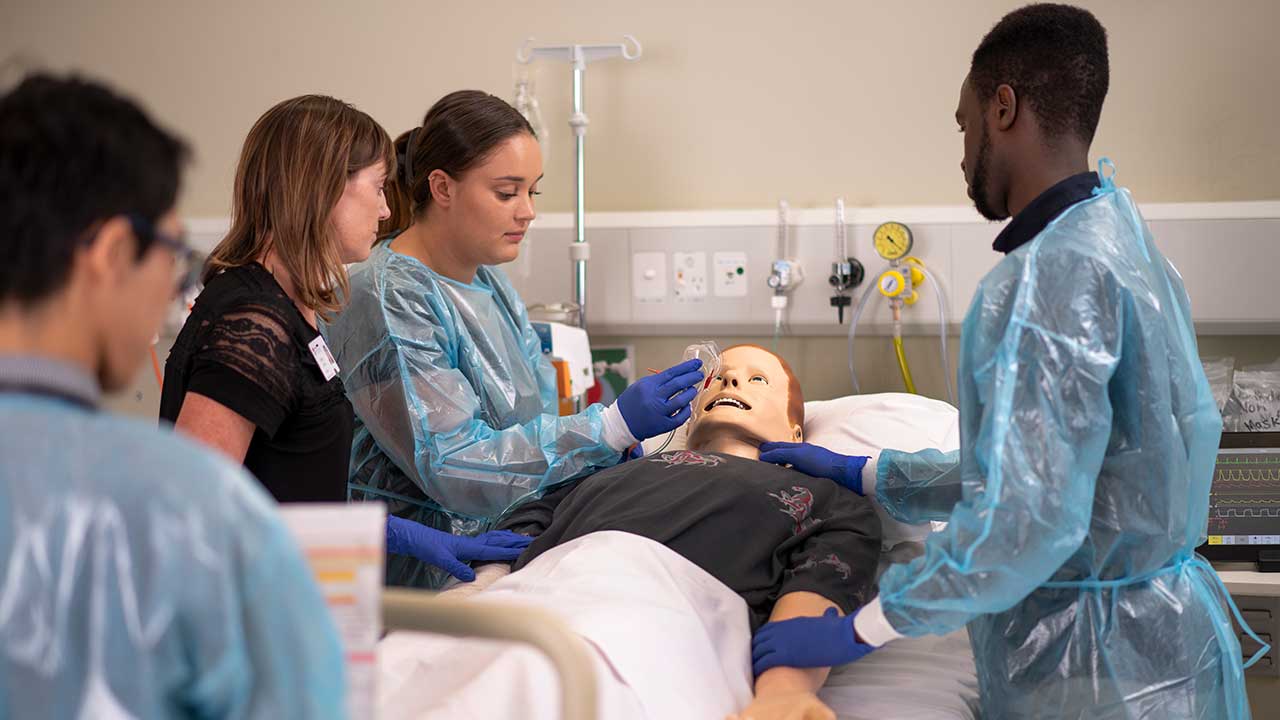
Taught in state-of-the-art learning environments and inspired by passionate lecturers, our students are prepared for the health and medical workforce of today — and tomorrow.
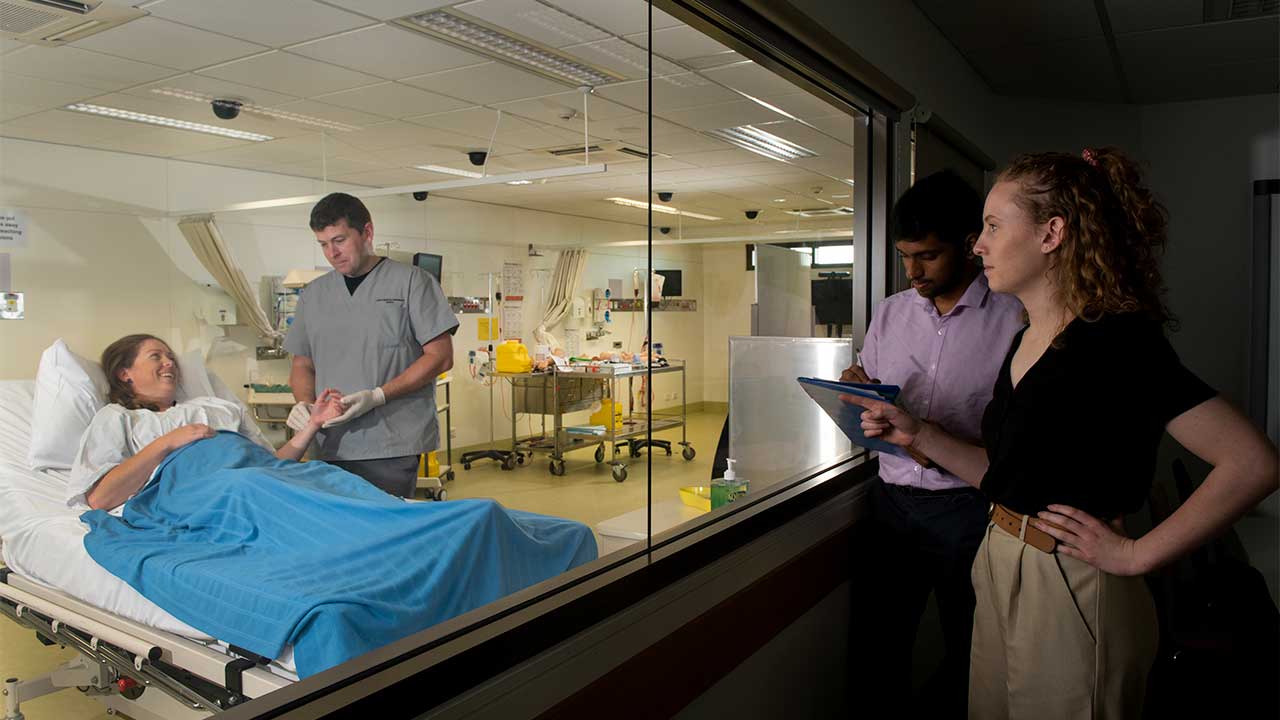

Department of Rural Health
We facilitate community engagement activities, tackle rural health challenges through research, and support undergraduate placements within our NSW footprint for domestic allied health, medicine and nursing students from Commonwealth-funded universities.

Newcastle Academy of Health Professional Development
We offer a diverse range of short courses designed by experts to help boost your professional growth in flexible learning environments.
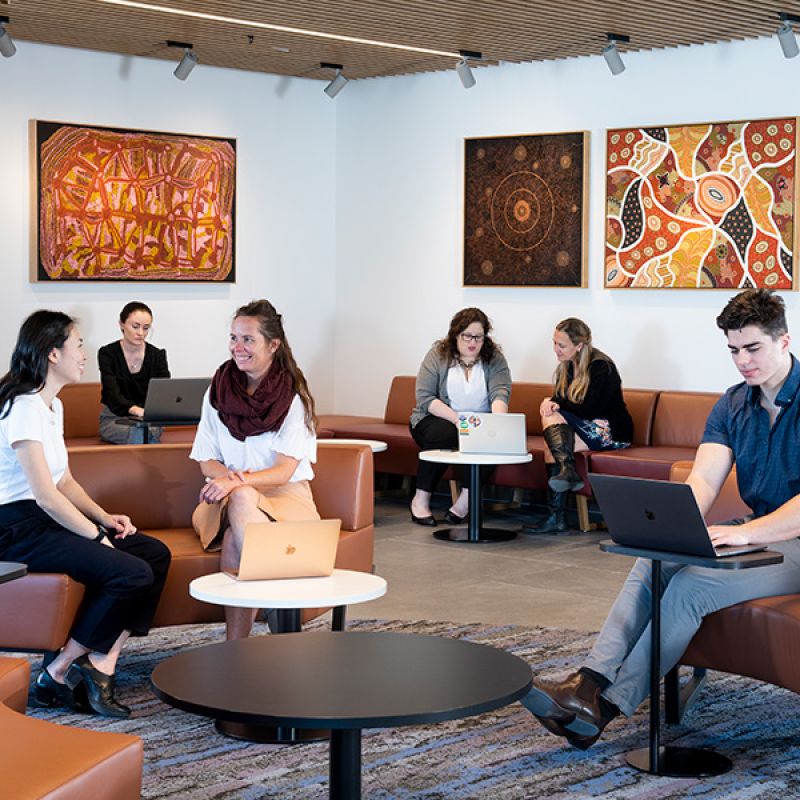
International Engagement
Through international research partnerships and our focus on creating life-ready, globally minded graduates, we proudly engage with countries across the world.
Logan's Experience with the Mariners 01:53
Career-ready placement
Our strong connections to government bodies, industry and the community enable us to transform lives, and broaden learning opportunities for our students.

New partnership to bolster Indigenous Careers
The University of Newcastle and CareerTrackers today officially launched a partnership to support Aboriginal and Torres Strait Islander students into meaningful careers, internships and leadership opportunities.
Read more

Top marks for sports uniform proposal to boost students’ physical activity
New research suggests most Australians support a simple change that could significantly boost children’s physical activity levels: letting students wear sports uniforms every day.
Read more

Study confirms measurable biological markers in irritable bowel syndrome
New research from the University of Newcastle has found that people with irritable bowel syndrome (IBS) show detectable biological changes, challenging the long-held perception that the condition lacks a physical basis.
Read more
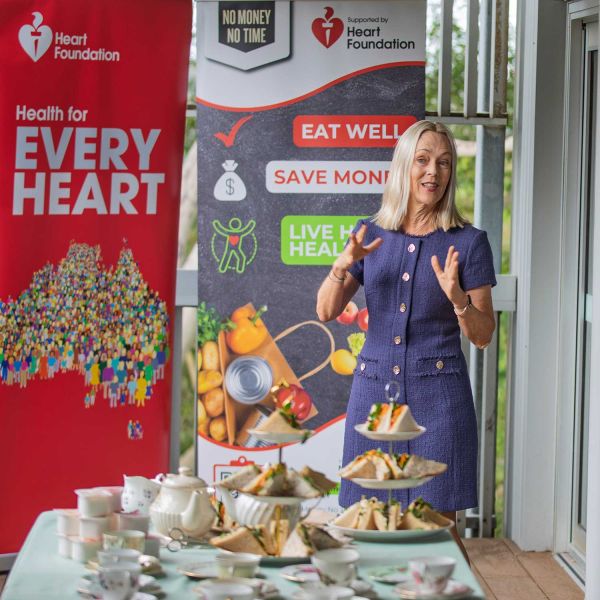
Heart Foundation joins forces with ‘No Money, No Time’ to improve Australians’ nutrition-related heart health
No money, no time to cook healthy? Two leading health organisations have joined forces to help show people in Australia how simple it can be to cook heart-healthy meals on a budget.
Read more
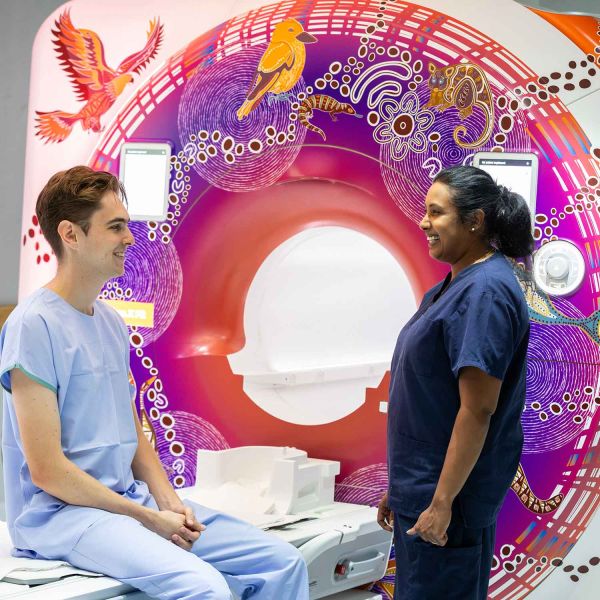
World-leading MRI upgrade boosts research capability at HMRI Imaging Centre
Hunter Medical Research Institute (HMRI) has unveiled a major upgrade to imaging capabilities with the installation of a new Siemens Healthineers MAGNETOM Cima.X Fit MRI scanner at the Hunter Medical Research Institute Imaging Centre, strengthening the region's capacity for world-class medical research.
Read more

Yes, weight-loss drugs work but nutrition needs attention
Popular GLP-1 and GIP medications, such as semaglutide (Ozempic, Wegovy), tirzepatide (Mounjaro) and liraglutide (Saxenda) are changing the way obesity and type 2 diabetes are viewed and treated.
Read more

Student to Startup
Three Newcastle student founders share the unfiltered reality of building a startup while studying.
Read more
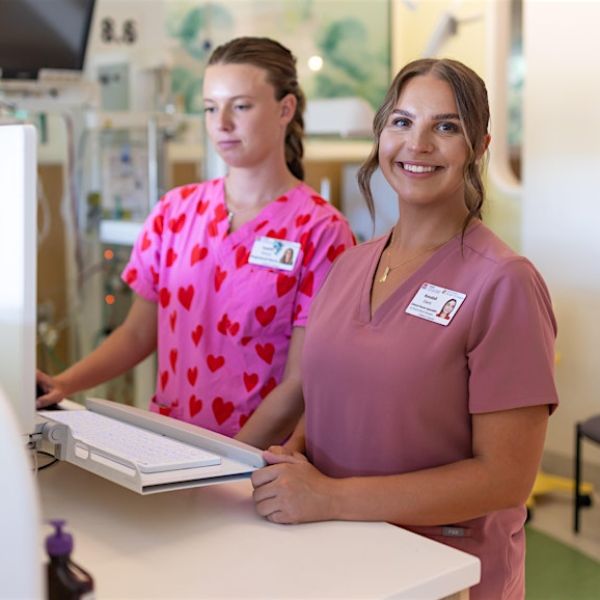
Nursing Insights Evening - Newcastle
Join us for a night of deep discussions and fresh insights into the world of nursing at The University of Newcastle.
Read more
Nursing Insights Evening - Central Coast
Join us for a night of deep discussions and fresh insights into the world of nursing at The University of Newcastle.
Read more

Preparing for Fully Graded Date
The LDTI Ed Tech in Action sessions are targeted sessions focussed on supported educational technology tools and their use in teaching, learning and assessment. Each 30-minute session will be delivered via Zoom and will feature a short presentation or demonstration followed by Q&A time.
Read more
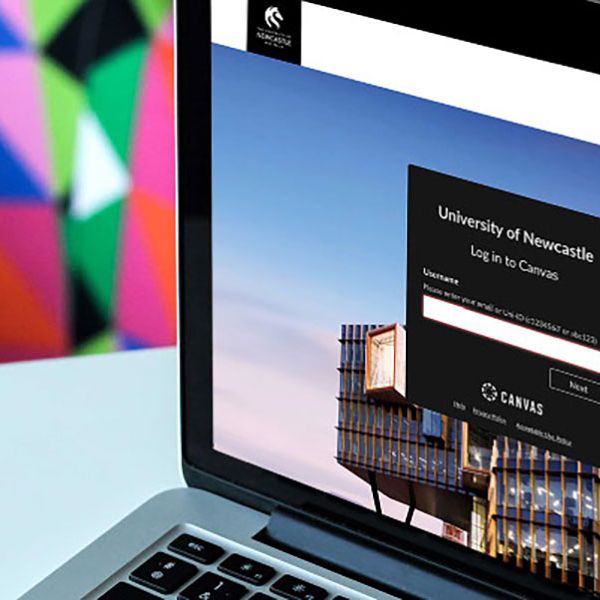
Student Friendly Canvas Content
This practical session walks through a well-structured Canvas course where students always know what to do next.
Read more

Communicating Clearly with Students in Canvas
This session focuses on using Canvas tools to set expectations and keep students on track throughout the term.
Read more
The University of Newcastle acknowledges the traditional custodians of the lands within our footprint areas: Awabakal, Darkinjung, Biripai, Worimi, Wonnarua, and Eora Nations. We also pay respect to the wisdom of our Elders past and present.