
Yes, weight-loss drugs work but nutrition needs attention
Popular GLP-1 and GIP medications, such as semaglutide (Ozempic, Wegovy), tirzepatide (Mounjaro) and liraglutide (Saxenda) are changing the way obesity and type 2 diabetes are viewed and treated.
- GLP-1 and GIP medications are effective for weight-related health management, but their impact on dietary intake and quality has had limited focus.
- These medications have a powerful impact on appetite which can adversely affect nutritional status and long-term health and wellbeing.
- Researchers are calling for robust dietary assessment and nutrition support to be integral in future GLP-1/GIP clinical trials.
Popular GLP-1 and GIP medications, such as semaglutide (Ozempic, Wegovy), tirzepatide (Mounjaro) and liraglutide (Saxenda) are changing the way obesity and type 2 diabetes are viewed and treated. Backed by strong clinical evidence, these prescription drugs can lead to significant weight-loss, improved blood glucose control and metabolic health, and their use is rapidly increasing worldwide.
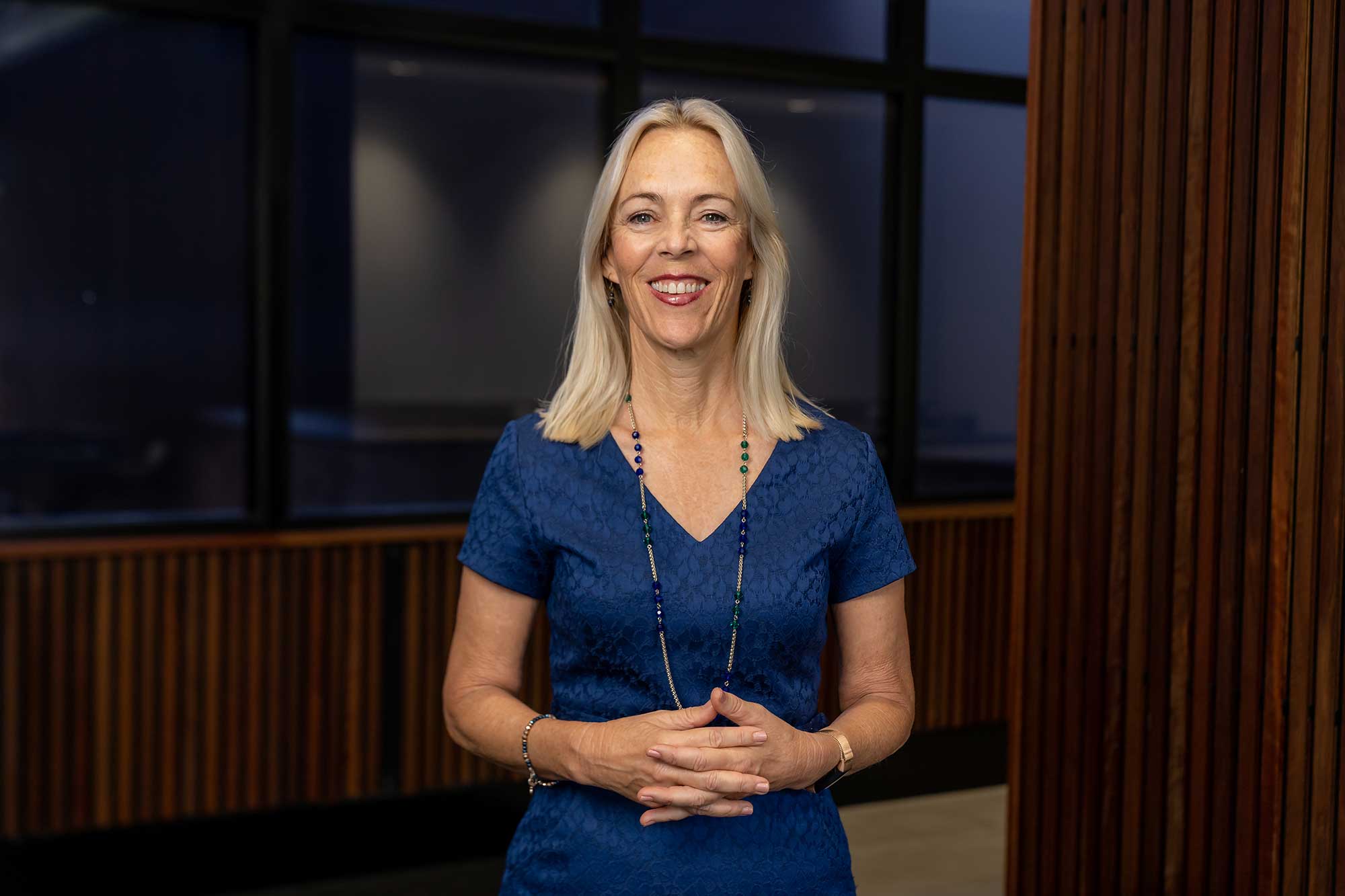
University of Newcastle Laureate Professor of Nutrition and Dietetics Clare Collins.
But while the focus on weight and health outcomes has been intense, a new systematic review has highlighted a critical blind spot. Very little is known about the exact changes these medications have on what people actually eat, whether vitamin and mineral intakes are adequate, and whether weight-loss achieved through medication also supports optimal nutrition-related health and wellbeing in the long-term.
The review examined randomised controlled trials of GLP-1 and GIP receptor agonist medications published over the past 17 years. It found that despite enrolling more than 50,000 participants across 41 trials, only two studies assessed or reported dietary intake data or changes in diet as an outcome.
“These medications work, there’s no question about that,” said study author Clare Collins, Laureate Professor of Nutrition and Dietetics at the University of Newcastle and a HMRI Nutrition & Metabolic Health researcher.
“But a reduction in body weight does not automatically mean the person is well nourished or healthy. Nutrition plays a critical role in health, and right now it’s largely missing from the evidence. With case reports of thiamine deficiency and protein malnutrition, we need to ensure we are not throwing the baby out with the bath water.”
Weight-loss is not the whole story GLP-1 and GIP receptor agonists suppress appetite and reduce overall food intake. While this contributes to weight-loss, it also raises important questions about diet quality, adequacy of nutrient intakes and whether people are meeting their nutritional needs within lower energy intakes.
The review found that only two trials involving adults reported that they had measured dietary intake, and one was unpublished. Both reported a reduction in total energy intakes, with an altered macronutrient distribution in the medication plus diet group, although it
was not significantly different from medication alone. With the methods used to assess diet rated as “poor” or “acceptable”, there is limited confidence in the findings.
“When people are eating less, the quality of what they eat matters even more,” Professor Collins said.
“If someone loses weight but their diet lacks adequate protein, fibre, vitamins or minerals, that has major concerns for their long-term muscle mass, bone health, brain health, gut health, as well as skin integrity and overall wellbeing.”
Health goes beyond the scales Weight is an easily measured outcome, which partly explains why it dominates clinical trials. But these medications and diet quality influence far more than body weight alone, including cardiovascular health, metabolic risk, inflammation and long-term chronic disease outcomes, such as the risk of some cancers.
Without robust dietary data, clinicians and researchers cannot fully understand the broader health effects of these medications, tailor advice to use of these medications, including in longer-term maintenance usage, nor provide evidence-based guidance to support patients using them.
The review also highlights a broader issue in obesity and diabetes research. Diet is often treated as a secondary consideration rather than a core component of metabolic health.
“If we only measure weight and blood sugar, we’re missing a big part of the picture,” Professor Collins said.
“Diet quality, food patterns and nutrient intake all contribute to health. They should be measured with the same rigour as other clinical outcomes.”
A call for better evidence, not fewer medications The authors stress that their findings should not be interpreted as criticism of GLP-1 and GIP medications, but rather as a call for more comprehensive research.
As use of these drugs continues to grow, understanding how they interact with eating behaviours and nutrition will be essential to maximising benefits and minimising unintended risks.
The review calls for future clinical trials to include validated dietary assessment methods and to report dietary outcomes transparently alongside weight, health and glycaemic measures.
“These medications offer enormous potential, but to truly support long-term health, we need to understand not just how much weight people lose, but how well they are nourished,” Professor Collins said.
References: Fallows E. Malnutrition with use of GLP-1 agonists is an underestimated real-world harm. BMJ. 2025 Jul 21;390:r1512
Related news
- University celebrates graduates making an impact in media, literature and health
- University of Newcastle appoints contractor for Hunter Building demolition
- Global evidence reveals the scale of humanity’s imprint in Earth’s geology
- Housing challenge reshapes the future of regional growth
- Where Culture meets STEM: Empowering future leaders in Wadeye
Aligned with the United Nations Sustainable Development Goals


The University of Newcastle acknowledges the traditional custodians of the lands within our footprint areas: Awabakal, Darkinjung, Biripai, Worimi, Wonnarua, and Eora Nations. We also pay respect to the wisdom of our Elders past and present.