Shining a light on a dark past
A cross-institutional research collaboration is recovering the lost and erased stories of Indigenous people controlled by the NSW Aboriginal Protection/Welfare Board for nearly a century.
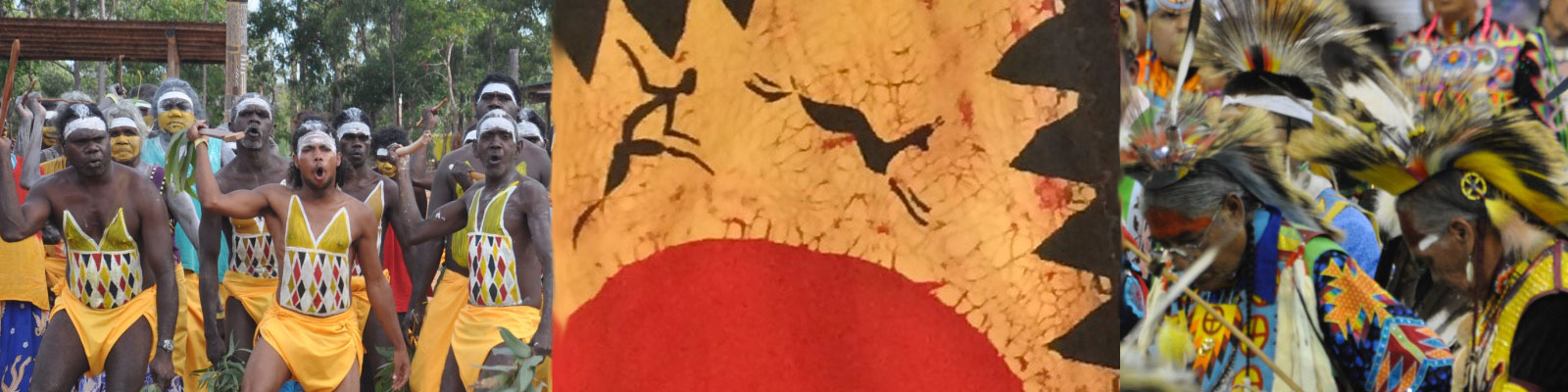

Purai is an Awabakal word meaning “the world, earth”. The blue outline represents the flow of world tides and currents. Orange & red represents the desert lands. Green represents the rainforests.
Purai Global Indigenous History Centre is a research hub that embraces Indigenous knowledges, cultures, histories and contemporary experience on a worldwide scale. It supports truth telling and Indigenous-led and community-driven research that highlights issues within and across Indigenous communities and diaspora. We value Indigenous research methodologies, and non-traditional research outputs.
Drawing upon our extensive national and international connections, Purai harnesses collaborations that lead to high-quality original research projects and the development of productive new knowledge networks.
By integrating Indigenous and transnational/transcolonial global scholarship with approaches from a range of disciplines, Purai aims to generate new and ground-breaking interdisciplinary research methodologies for the study of global Indigenous knowledges, cultures, histories and contemporary experience.
When Prime Minister, Gough Whitlam, was pouring a handful of red sand into Gurindji Elder, Vincent Lingiari’s hand, another key element in Australia’s reconciliation journey began – NAIDOC Week. For 50 years, NAIDOC has honoured and elevated Indigenous voices, culture, and resilience. In 2025 the NAIDOC theme celebrates not only the achievements of the past but the bright future ahead, empowered by the strength of Indigenous Australian young leaders, the vision of their communities, and the legacy of their ancestors.
In this spirit, students and staff from the University of Newcastle’s (UoN) Purai’s Global Indigenous History Centre and Newcastle High School’s Cooks Hill Campus celebrated 2025 NAIDOC Week together. The morning began with an assembly based on the 2025 theme. Poems were shared, songs sung and Purai Co-director, Professor Kate Senior, presented Deputy Campus Leader, Phelissitie Milgate, with a resource produced from the Truth Telling project which the centre undertook with the Department of Education about the history of Indigenous Australian Education in NSW.
Afterwards students were invited to workshops with UoN staff and students designed to support their study focus. These included weaving with Caelli Brooker, botanical ink stamps with Estelle Leishman, Indigenous language and history with Angelina Joshua and Professor Heather Sharp, music with Aiden Powell and Associate Professor Helen English.
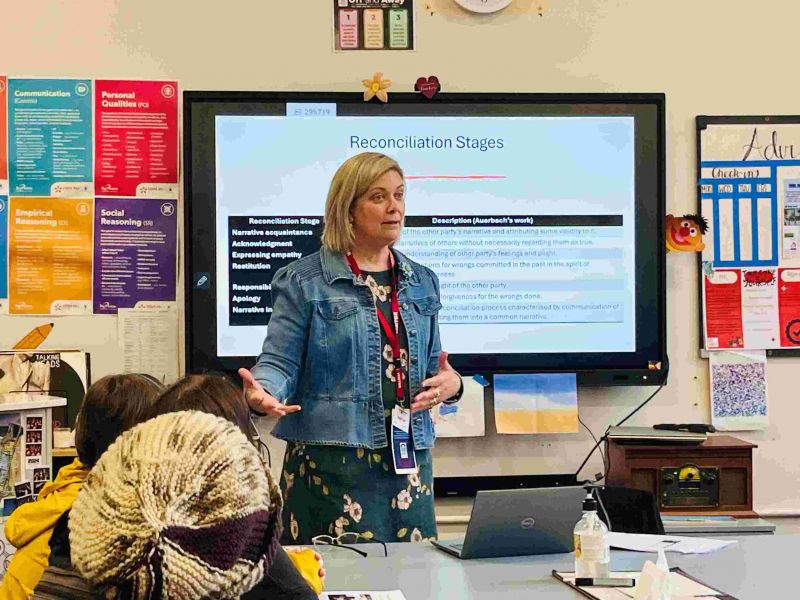
Professor Heather Sharp delivering a history lesson about Reconciliation, Cooks Hill Campus, Newcastle High School
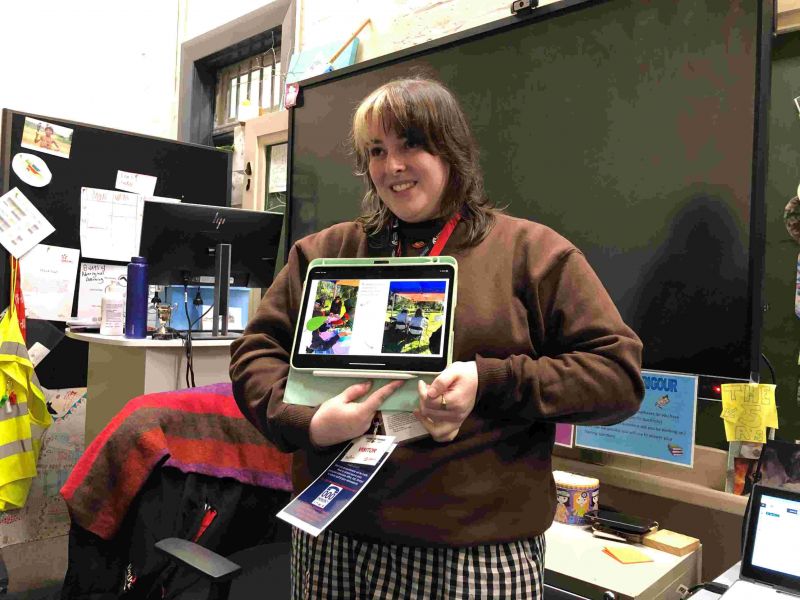
Estelle Leishman, PhD student presenting to Cooks Hill students during NAIDOC Week
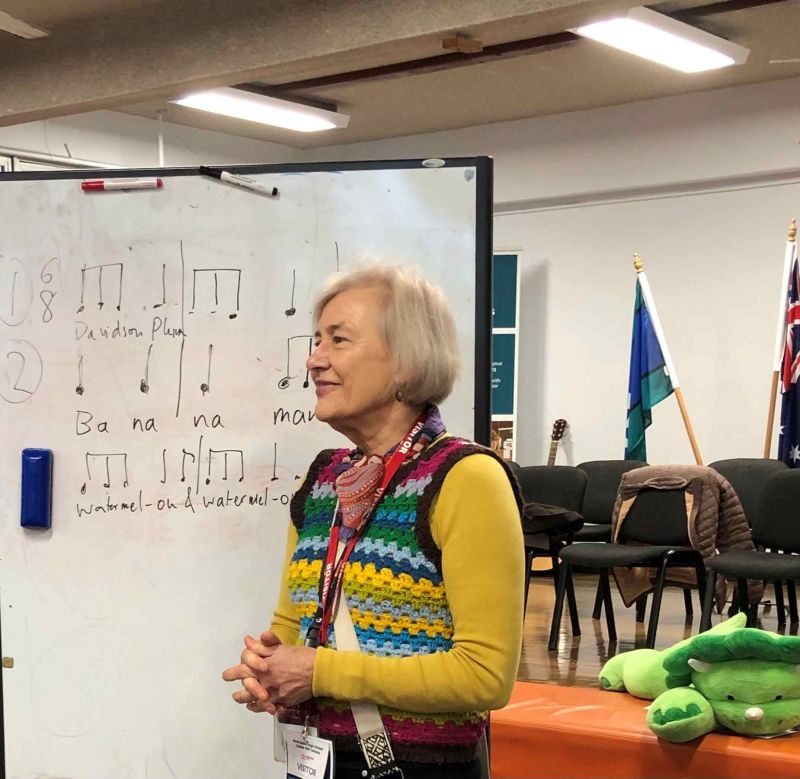
Associate Professor Helen English presenting a rhythm workshop, Cooks Hill Campus, Newcastle High School
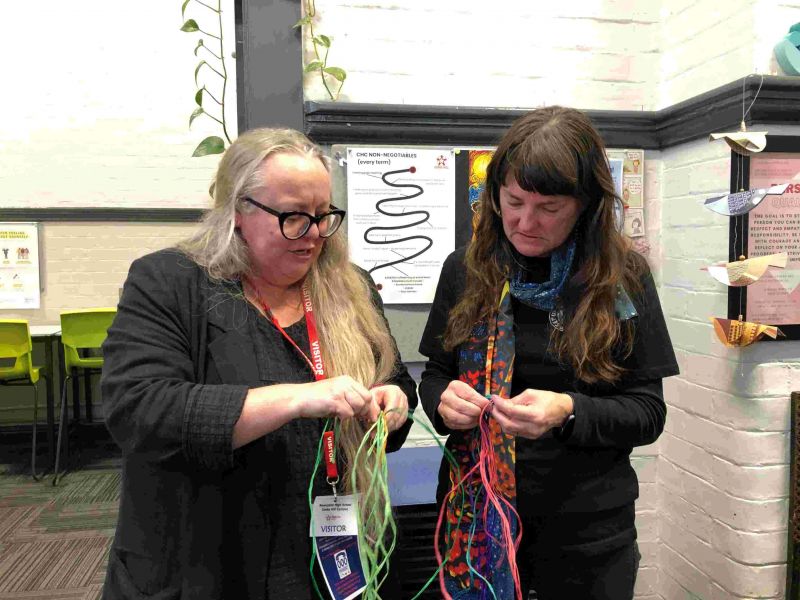
Caelli Brooker, UoN Gallery Administrator, showing Alison Ayling, Advisory teacher, weaving techniques, Cooks Hill Campus, University of Newcaste
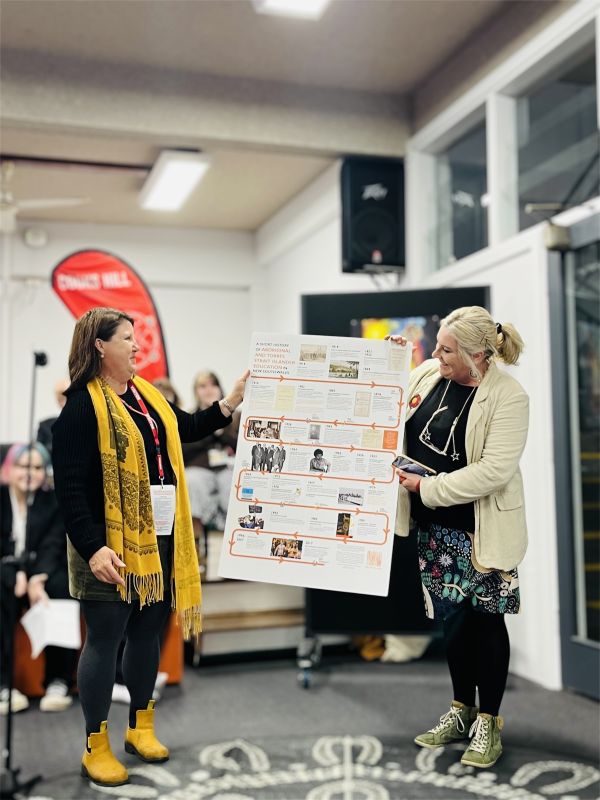
Professor Kate Senior presents Deputy Campus Leader, Phelissitie Milgate, with Truth Telling learning resource
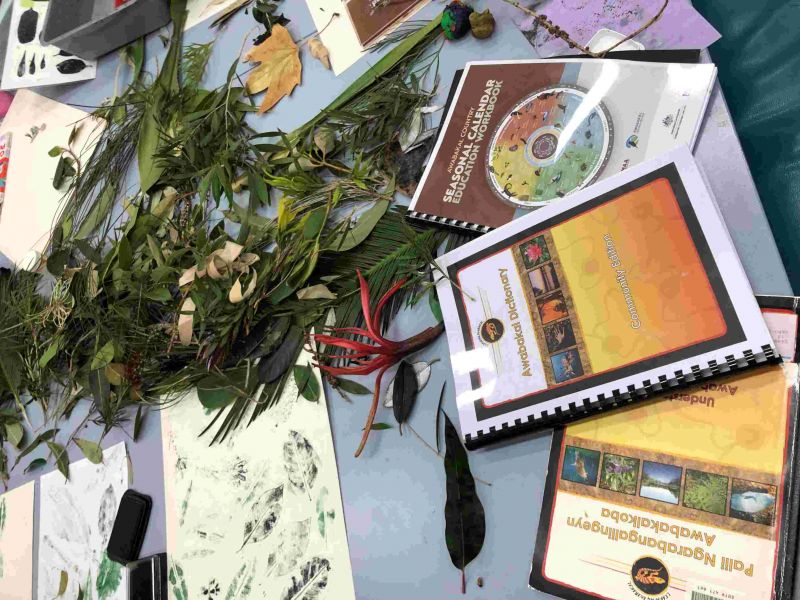
An Awabakal dictionary helps identify plant names
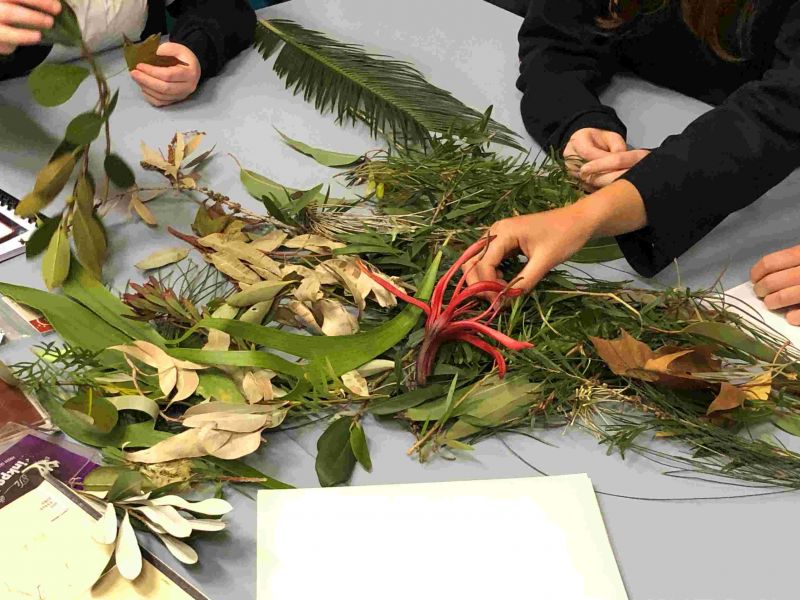
Plants students used to make botanical ink stamps
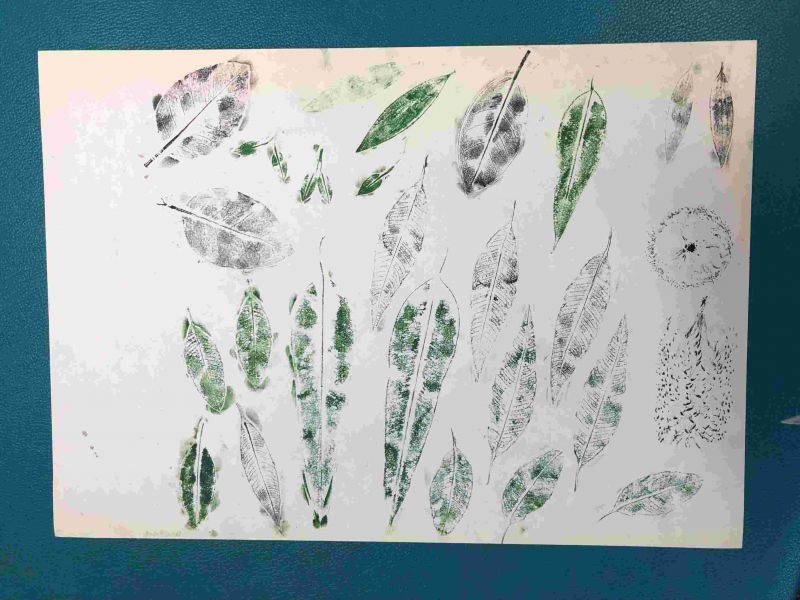
Botanical ink stamps, NAIDOC 2025, Cooks Hill Campus, Newcastle High School
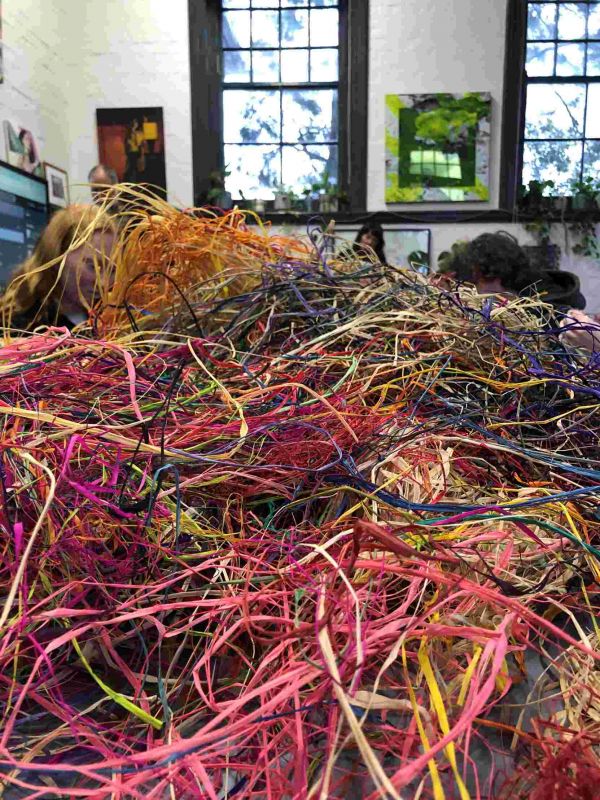
Weaving with Caelli Brooker, Cooks Hill Campus, Newcastle High School
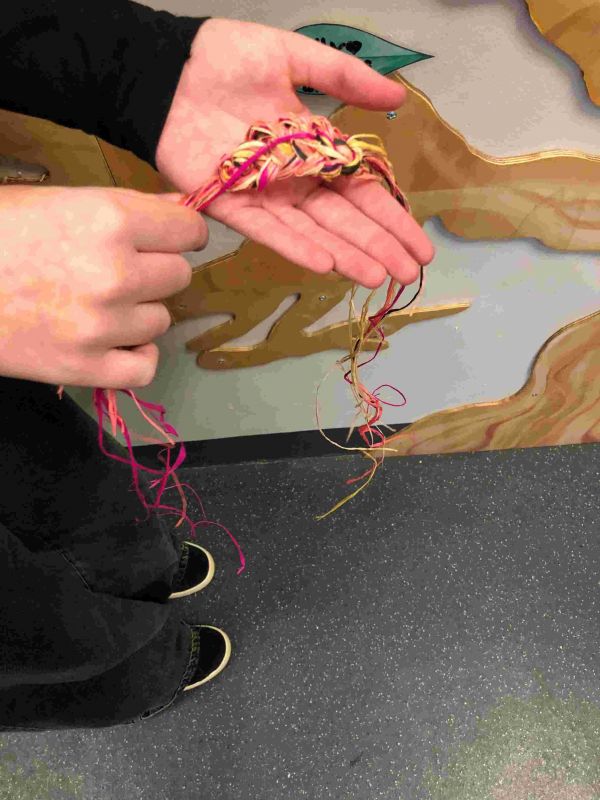
Weaving with Caelli Brooker, NAIDOC 2025, Cooks Hill Campus, Newcastle High School
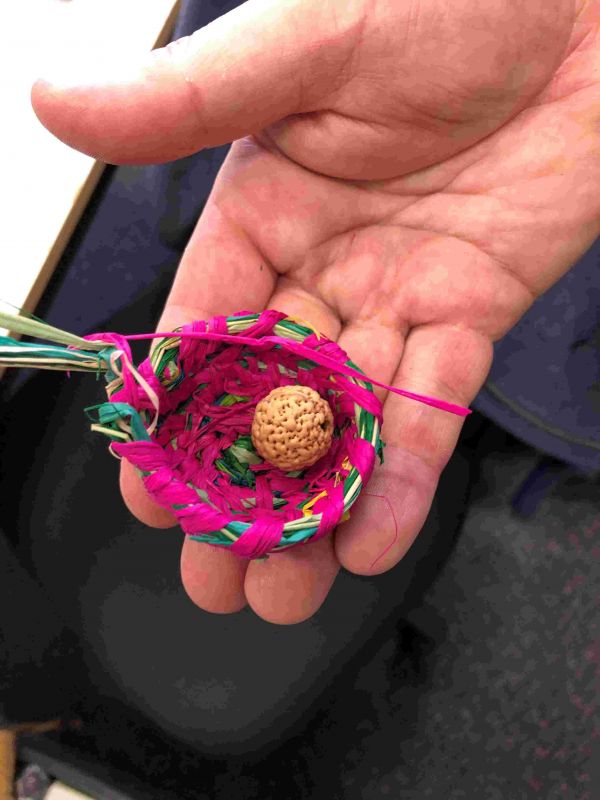
Woven basket with seed, NAIDOC 2025, Cooks Hill Campus, Newcastle High School

Telling the story of a little bird with big aspirations has inspired Associate Professor Helen English and Co-Director of Purai Global Indigenous History Centre, Professor Kate Senior, to investigate how creative arts supports the health, wellbeing and inspiration of primary school children.
Read more
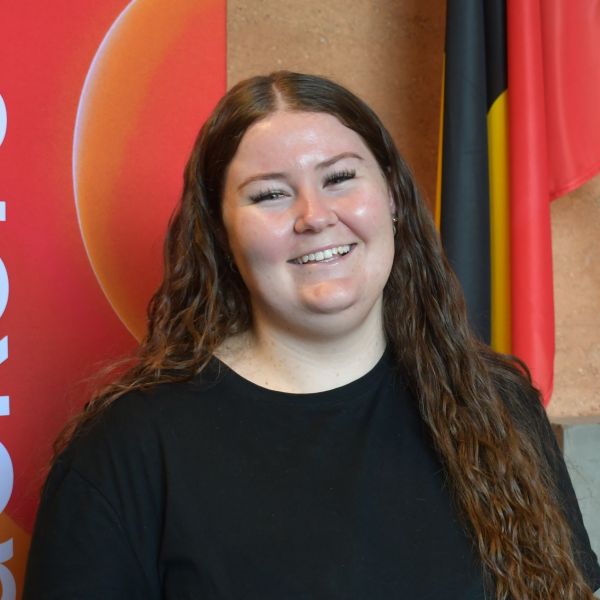
The University of Newcastle and CareerTrackers today officially launched a partnership to support Aboriginal and Torres Strait Islander students into meaningful careers, internships and leadership opportunities.
Read more
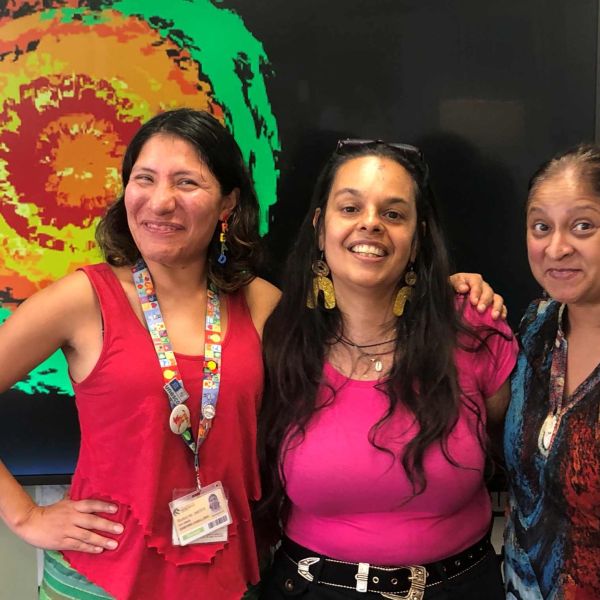
To celebrate International Women's Day, Purai Global Indigenous History Centre hosted a dialogue across and between feminisms and feminists from/of the South.
Read more
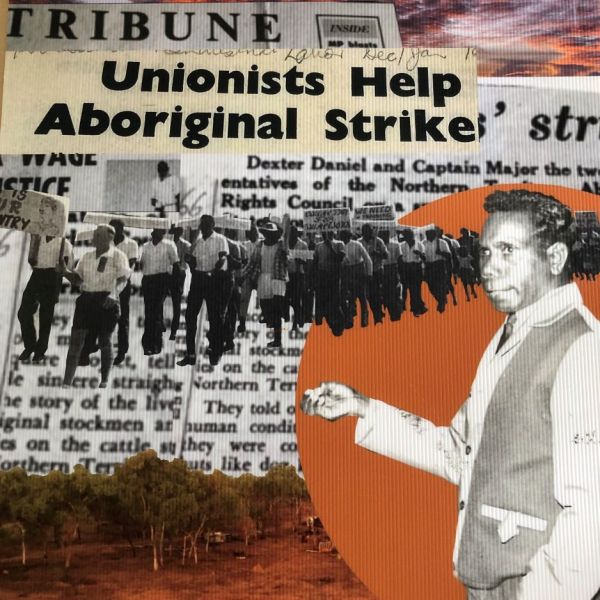
Ngukurr to Newcastle: The best ‘from little things, big things grow’ story.
Read more
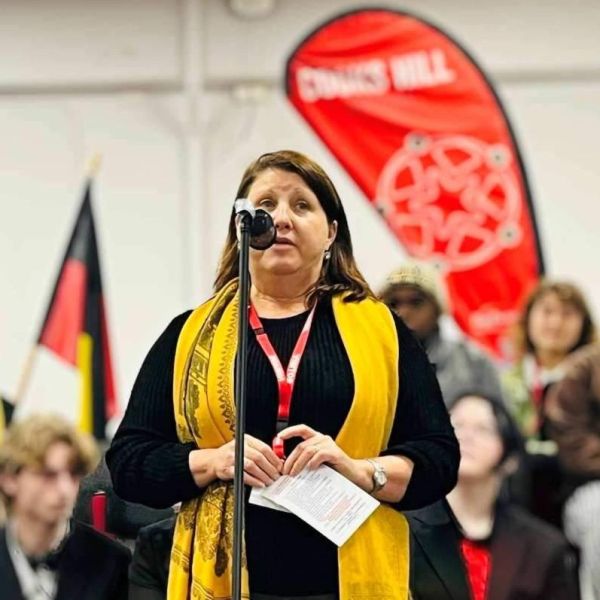
When Prime Minister, Gough Whitlam, was pouring a handful of red sand into Gurindji Elder, Vincent Lingiari’s hand, another key element in Australia’s reconciliation journey began – NAIDOC Week. For 50 years, NAIDOC has honoured and elevated Indigenous voices, culture, and resilience.
Read more

The University of Newcastle acknowledges the traditional custodians of the lands within our footprint areas: Awabakal, Darkinjung, Biripai, Worimi, Wonnarua, and Eora Nations. We also pay respect to the wisdom of our Elders past and present.