Zero Hunger
Access to Food Security Knowledge
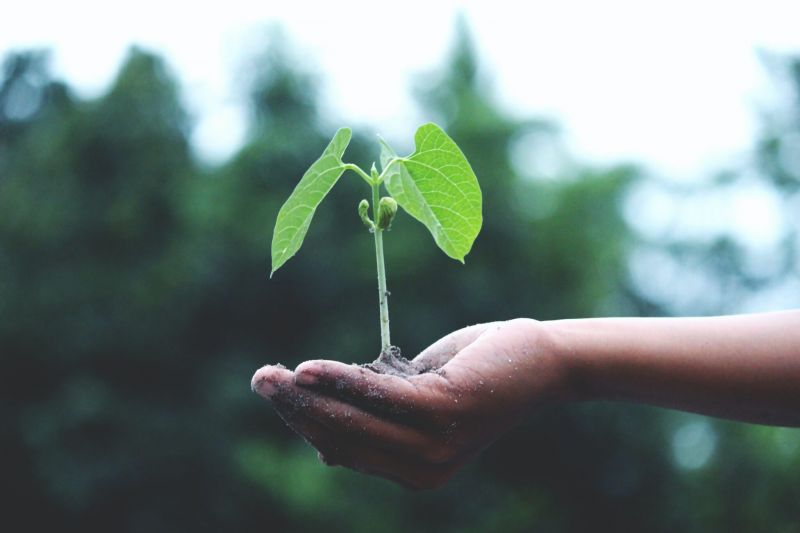
The University of Newcastle supports access to food security and sustainable agriculture and aquaculture knowledge and technology through research collaborations with local food producers and the wider agri-food sector. In 2025, this included direct knowledge sharing with farmers and agricultural advisers, as well as engagement with regional producers on sustainable production and resilience.
Supporting knowledge exchange with local Hunter Valley grape growers and winemakers
On 6 August 2025, the University of Newcastle’s Institute for Regional Futures hosted Vines and Vision, bringing together more than 50 stakeholders including winemakers, researchers, tourism leaders and government representatives to consider the long-term sustainability of the Hunter Valley wine industry. The panel included a viticulturist and a fifth-generation grape grower and winemaker and explored climate variability, land use, environmental responsibility and other sustainability pressures. The discussion also identified opportunities to work with the University to co-create education, training and research across the wine supply chain, supporting direct knowledge exchange with regional grape growers and wine producers. Read more about Vines and Vision here.
Bioengineering Salt Tolerant Proteins
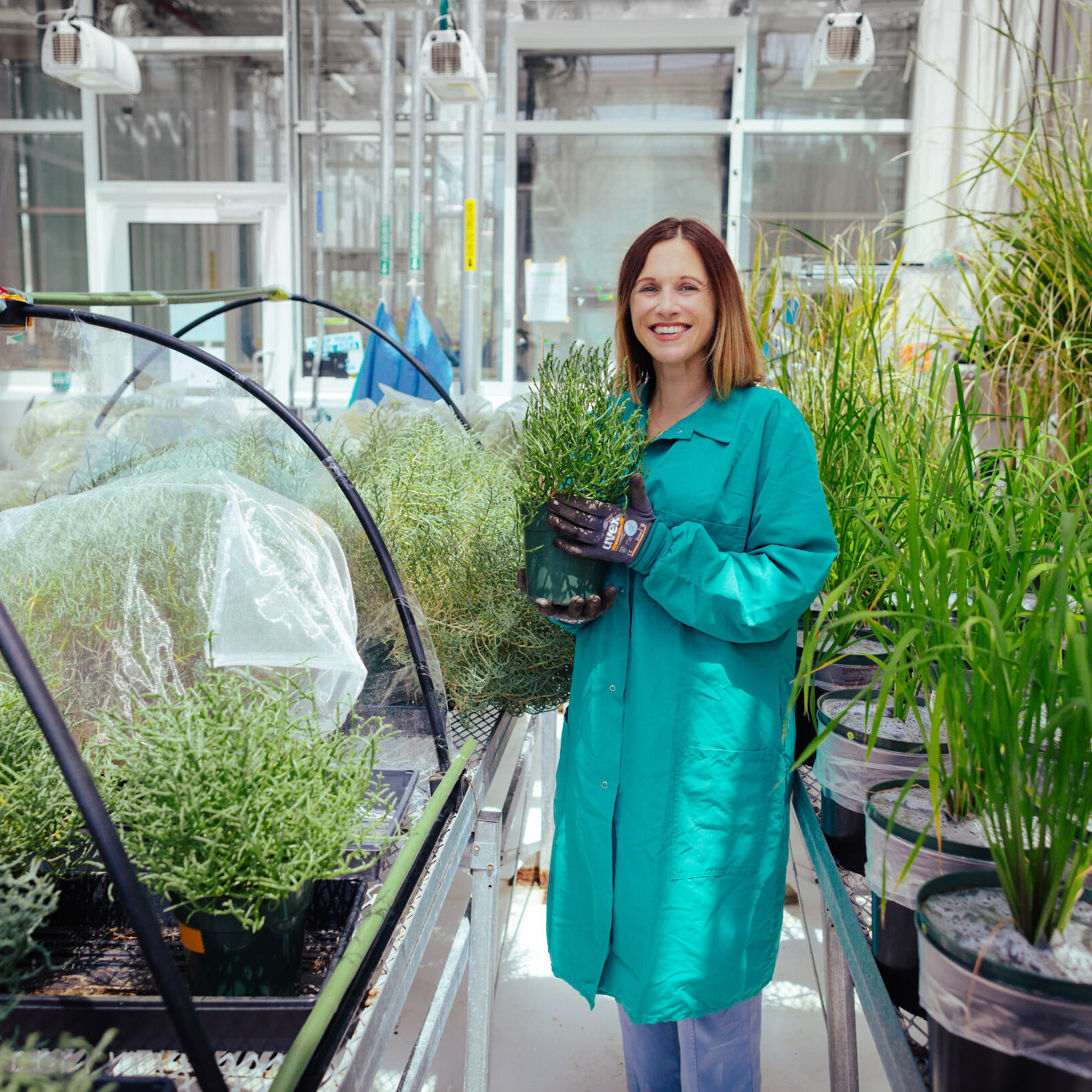
Salinity is an escalating threat to Australian agriculture, reducing productive farmland and undermining food security. Climate change is accelerating soil and water salinisation, limiting the production of high-value crops. This project, led by Dr Vanessa Melino, harnesses the natural salt tolerance of halophytic plants to develop next-generation technologies that enhance crop resilience to salinity, promoting sustainable agriculture to the wider agri-food sector. The project will improve crop productivity on saline land, strengthen food security and create new opportunities to utilise degraded farmland and saline water resources. Read more about this research here.
Supporting sustainable aquaculture
Research by scientists at the University of Newcastle supports sustainable and viable aquaculture. Examples of collaboration with local producers and sector partners include:
- Characterisation of the water and seabed environment of a recently developed mussel farm in Jervis Bay
- In collaboration with the NSW Department of Primary Industries and Regional Development, testing the efficacy of a novel vaccine for oysters.
- Developing new products from locally farmed Akoya oysters.
- Working with local procer South Coast Mariculture to process shellfish by-products into value-added products to boost the sustainability of local aquaculture.
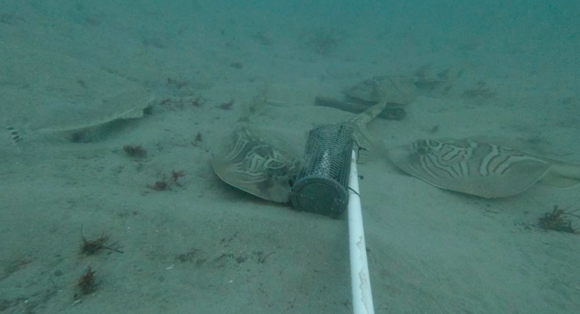 Above: Flathead and Fiddler Rays at Callala North Aquaculture Lease site, observed using Baited Remote Underwater Video cameras (BRUVS).
Boosting food security through artificial intelligence
Dr Shaleeza Sohail from the School of Information and Physical Sciences at the University of Newcastle and Dr. Harish Devaraj from the School of Engineering Teaching and Research at the University of Waikato are working together to combine artificial intelligence (AI) and federated learning to empower farmers to enhance productivity and sustainability. They aim to empower farmers with informed decision-making ability, boost food security, and improve sustainability across the agricultural supply chain.
The project to develop an AI-based system that collects and analyses agricultural data on plant and soil health will help farmers make informed decisions that can maximise yield and financial return.
Singapore Green Plan
Through our Centre for Sustainable Development (CSD) in Singapore, we are committed to addressing Singapore’s national goal of producing 30% of its nutritional needs locally by 2030, as outlined in the Singapore Green Plan. To support this vision, our research and innovation efforts focus on:
- Agriculture-based food technologies, where we develop solutions to improve food production and processing in sustainable ways.
- Food waste valorisation, where we convert plant-based food waste into valuable resources such as functional dietary fibre—helping reduce environmental impact while adding value to the agri-food supply chain.
- Alternative nutrition sources and food fermentation technologies, which contribute to diversifying and strengthening local food systems.
These initiatives reflect an integrated approach—combining research, innovation, and collaboration with industry and institutional partners to develop tools and technologies needed for sustainable growth in the agri-food sector.
Our work ensures that scientific advancements are not only academically robust but also practically applicable and accessible to the local agri-food sector.
Food Waste Valorisation
This collaborative research project between the School of Applied Sciences at Republic Polytechnic and the School of Environmental and Life Sciences at the University of Newcastle, Australia, focuses on transforming plant-based food waste into functional dietary fibre. Against the backdrop of Singapore’s growing food waste problem—744 million kg recorded in 2019—and the national “30 by 30” food sustainability goal, the project aims to support the agri-food industry’s resilience amid geopolitical and climate challenges.
Read more
The University of Newcastle acknowledges the traditional custodians of the lands within our footprint areas: Awabakal, Darkinjung, Biripai, Worimi, Wonnarua, and Eora Nations. We also pay respect to the wisdom of our Elders past and present.