
Partnerships for the Goals
Collaboration with NGOs for the SDGs
The University of Newcastle collaborates with non-government organisations (NGOs) through community research, shared educational resources and opportunities for student volunteering. These relationships help turn Sustainable Development Goal (SDG) priorities into practical work on health, social inclusion, local livelihoods and environmental stewardship. In 2025, collaboration with community and international non-profit partners supported new research and continued access to regional SDG resources.
Research programmes with NGO partners in 2025
In February 2025, University researchers announced a NHMRC/e-ASIA Joint Research Program-funded collaboration with Helen Keller International in Cambodia and Catholic Relief Services in Laos, both non-profit organisations. The research will expand the Parents Informing Child Nutrition in Community (PICNIC) programme, supporting healthier infant and child feeding. The existing free PICNIC programme serves families with children aged 0–6 across the Mid North Coast, Central Coast and western NSW, using dietitian-led group sessions, personalised guidance and online resources.
Led by University researcher Dr Kerith Duncanson and PICNIC founder Richard Ball, the project plans to develop 10 self-directed learning modules for parents and carers, with approaches subsequently shared through programmes in Cambodia and Laos. The collaboration builds on an established Australian programme, with its international rollout planned as a later stage of the project.
University students also contributed to applied environmental research alongside the not-for-profit OzFish Unlimited and other partners in the Central Coast Council’s April–May 2025 Carp to Croc project. The programme involved 101 local fishers who removed 296 invasive European carp from waterways. With University student support, tissue samples from 40 carp were collected for food-web research, contributing evidence for future aquatic ecosystem management.
An established research relationship with the Samaritans provides further context. The University’s Newcastle Youth Studies Centre identifies the organisation as a partner and research end user in its Regional Youth in Precarious Times: Work, Wellbeing and Debt project. This earlier partnership demonstrates how community organisations can help direct research towards the needs of vulnerable young people.
Educational resources developed with regional partners
The University co-developed the Hunter SDG Dashboard through the Hunter Region SDG Task Force, a coalition of business, government and not-for-profit organisations established in 2020. In the 2024 co-design process, a consortium of 18 funding partners engaged more than 120 stakeholders and identified 124 datasets, producing metrics for 54 regional SDG indicators. The public dashboard provided educators, community organisations and policymakers with a shared basis for identifying needs, following progress and coordinating responses across the Hunter region.
The partnership continued to inform regional SDG discussion in 2025, including the public launch of the Hunter Region Voluntary Local Review in February. The review covered the region’s 10 local government areas and more than 60 SDG indicators; its reporting scope differs from the original 54-indicator dashboard. Together, these resources help partners examine local progress and plan collective action.
The original Task Force model envisaged 17 SDG action groups, each identifying priorities and opportunities for collaboration. Regional not-for-profit partners have included the Samaritans and Home in Place. The University’s broader draft partnership inventory also identifies the LIVE Free Project, Hunter Women’s Centre and Save Our Coast as relevant local organisations, reflecting the breadth of community interests involved in sustainable development.

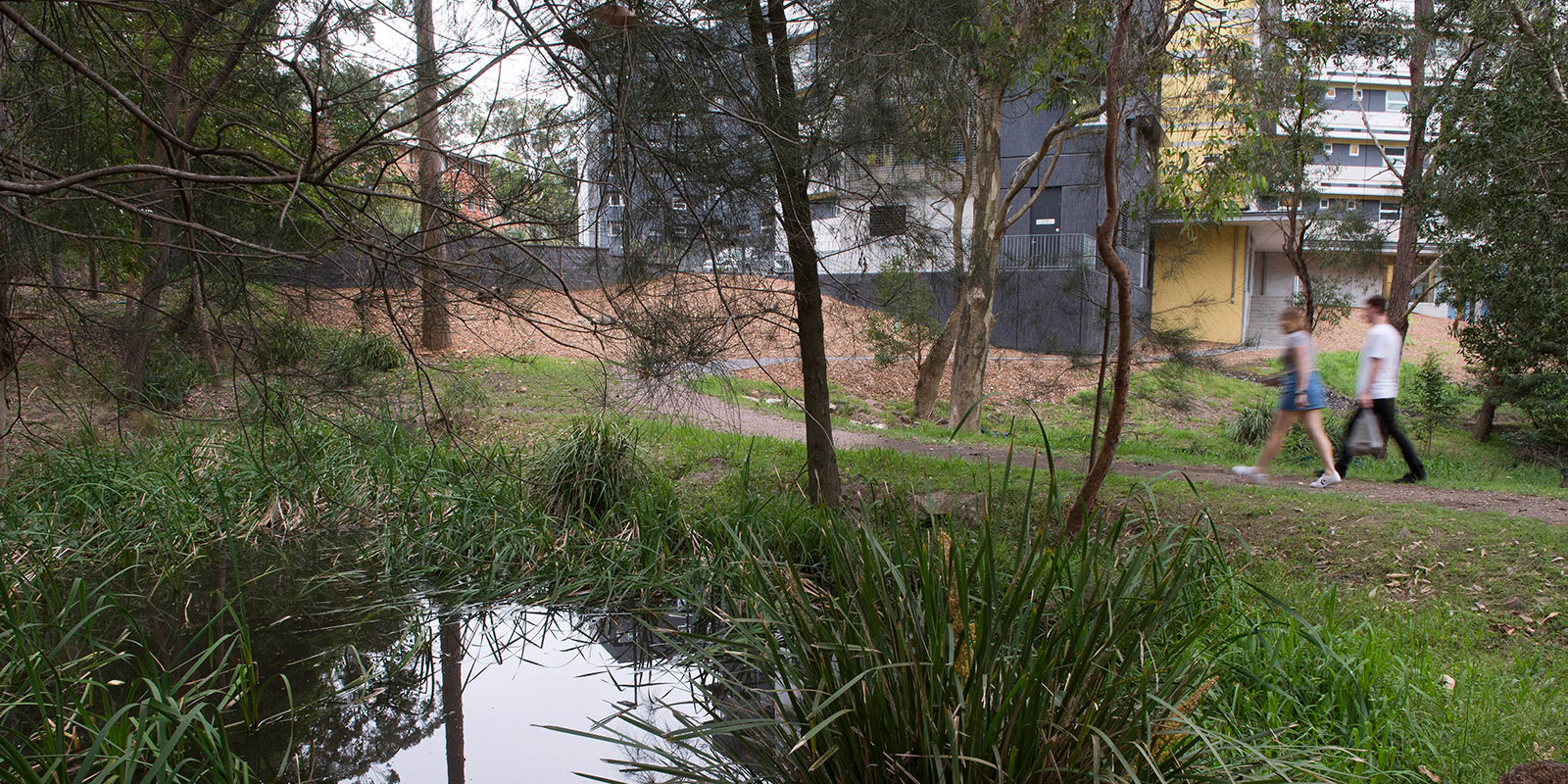
Community engagement for the Sustainable Development Goals.

Hunter Region SDG Task Force partnership organisations.
Student volunteering and community partnerships
The University’s Uni Crew Student Volunteering programme connects students with opportunities both on campus and in the community. Its published community options include volunteering at Soul Café, where students can assist a local charitable organisation with serving meals to vulnerable Newcastle residents. This offers a practical connection between student service and the goals of reducing poverty and hunger.
In the first quarter of 2025, the University recorded 578 students enrolled in Uni Crew and more than 80 completed volunteer shifts. These programme-wide figures encompass both University and community volunteering opportunities. The University also celebrated Uni Crew volunteers during National Student Volunteer Week in August 2025.
The University’s earlier contribution to the HunterNet Future Leaders programme also illustrates regional leadership development. In a challenge launched in 2022, participants worked in teams to propose practical SDG initiatives for organisations. The initiative provided an earlier opportunity to put collaborative SDG thinking into practice across regional organisations.
These partnerships connect University research and student volunteering with practical SDG action. Shared educational resources help community and international partners develop evidence-informed responses.
The University of Newcastle acknowledges the traditional custodians of the lands within our footprint areas: Awabakal, Darkinjung, Biripai, Worimi, Wonnarua, and Eora Nations. We also pay respect to the wisdom of our Elders past and present.