
Clean Water and Sanitation
Wastewater Treatment
The University of Newcastle is committed to managing wastewater responsibly across its campuses to protect public health, local waterways and the surrounding environment. During 2025, using established infrastructure standards and wastewater management procedures, the University ensures that wastewater is appropriately collected, managed and directed to authorised treatment systems.
How wastewater is managed
The University of Newcastle's Hydraulic Services Guiding Principles outline the University's infrastructure requirements and procedures for plumbing, drainage, stormwater, and wastewater systems. These standards help ensure that wastewater infrastructure operates safely, meets relevant regulatory requirements and minimises potential environmental impacts.
The guidelines require new or modified sewer connections to be approved by the University or the relevant local water authority, with all sanitary wastewater and trade waste discharged to sewer meeting local water-authority requirements.
For activities that generate trade waste, including laboratory and specialised facility operations, the University requires appropriate drainage and pre-treatment systems before wastewater enters the public sewer network. Depending on the type of waste generated, these measures may include grease traps, sediment pits, dilution pits, plaster traps and oil separators. Laboratory wastewater requiring additional controls is managed through specialised pre-treatment arrangements developed in consultation with the University and relevant water authorities.
Treatment through public wastewater systems
Wastewater discharged into the public sewer network is treated by the relevant local water authority before being safely released into the environment or made available for reuse.
At the University's Callaghan campus, wastewater is received by Hunter Water's Shortland Wastewater Treatment Works. The facility uses a combination of screening, grit removal, biological treatment and disinfection to remove contaminants before treated water is discharged or directed for further recycling.
The treatment facility operates under an Environment Protection Licence issued by the NSW Environment Protection Authority, with ongoing monitoring undertaken by Hunter Water to meet environmental requirements.
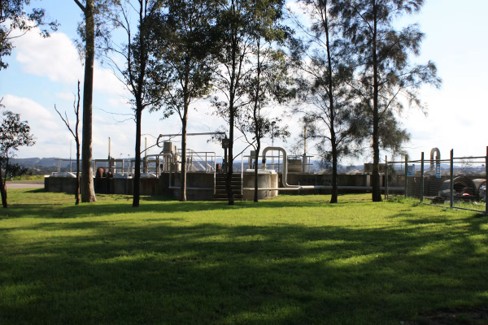
Shortland Wastewater Treatment Works. Image source
In 2025, by maintaining appropriate sewerage infrastructure, managing trade waste before discharge and using regulated public wastewater treatment services, the University supports the safe treatment of wastewater and helps protect surrounding waterways and ecosystems.

The University of Newcastle acknowledges the traditional custodians of the lands within our footprint areas: Awabakal, Darkinjung, Biripai, Worimi, Wonnarua, and Eora Nations. We also pay respect to the wisdom of our Elders past and present.