Dr Ryan Witt
-
Postdoctoral Researcher
School of Science
College of Engineering, Science and Environment -
Lecturer
School of Science
College of Engineering, Science and Environment -
Casual Academic
School of Science
College of Engineering, Science and Environment - Focus area: Environmental Science and Management
News
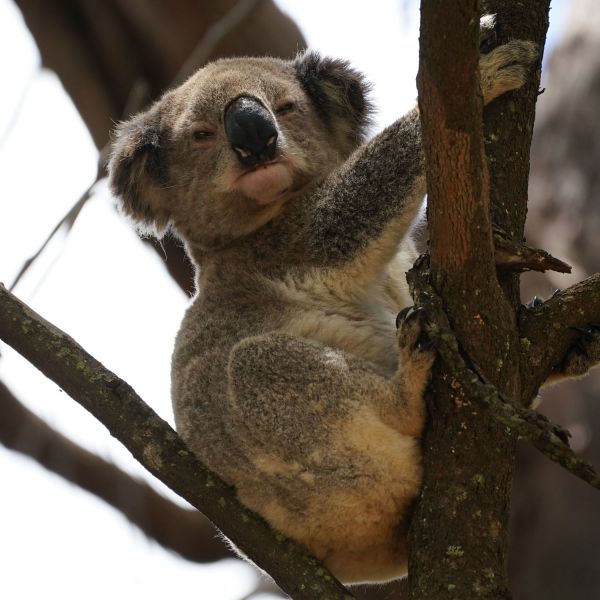
News • 9 Jun 2025
Secret koala population uncovered on city fringe
A landmark survey has uncovered a hidden koala population living on the fringe of a major city, using thermal drone searches with spotlight verification and statistical modelling.
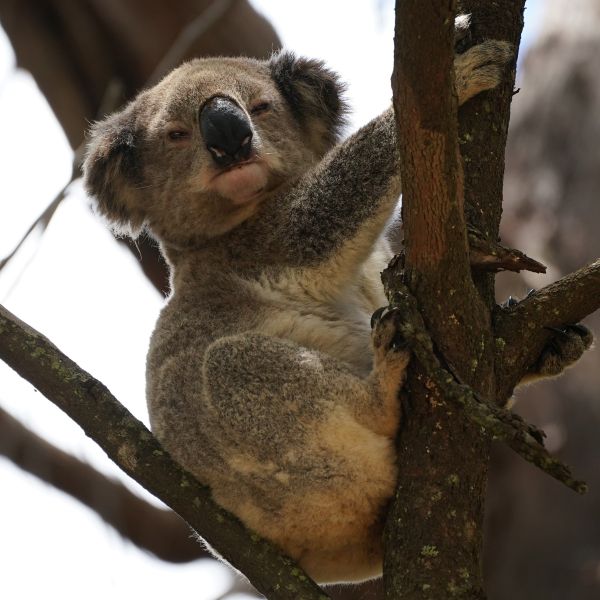
News • 5 Nov 2026
Sugarloaf koalas show no evidence of chlamydia as population exceeds expectations
A new report has revealed the Sugarloaf-Stockrington koala population is far larger than previously understood and, encouragingly, found no evidence of chlamydia in any of the wild koalas tested.
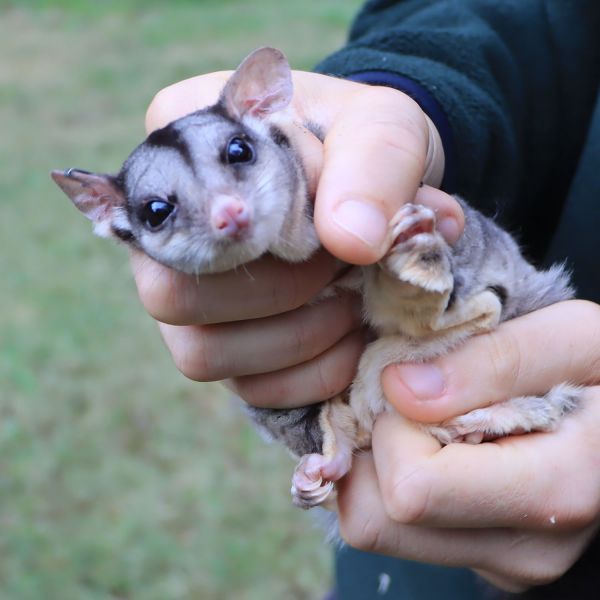
News • 29 Apr 2024
Partnering to prevent local extinction of threatened marsupial
City of Newcastle (CN), the University of Newcastle and FAUNA Research Alliance have joined forces to investigate ways to protect Squirrel Gliders in the Lower Hunter.

News • 26 Jun 2020
Let’s fix Australia’s environment with any pandemic recovery aid – the Kiwis are doing it
New Zealand is pumping millions of dollars into environment projects as part of its COVID-19 recovery. Lachlan G. Howell, Associate Professor John Clulow, Emeritus Professor John Rodger, and Dr Ryan R. Witt, from the Faculty of Science say Australia's recovery plan seems more destructive than reconstructive.
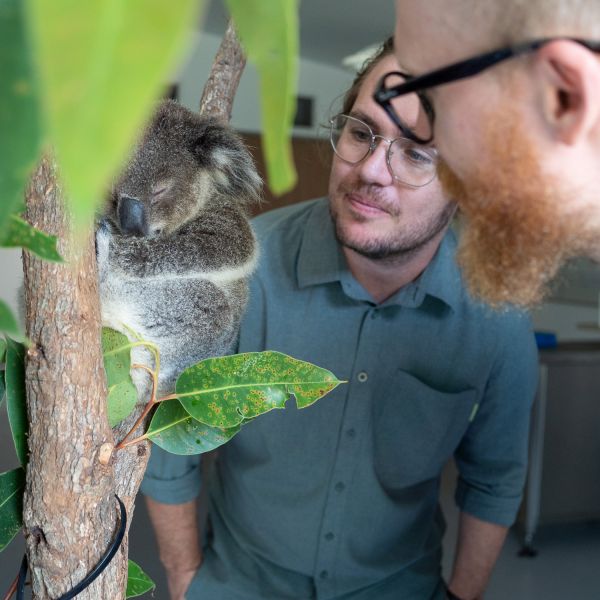
News • 13 Apr 2022
New model could help save koalas at a fraction of the price
Integrating frozen koala sperm into captive management programs is a crucial step to help save the endangered Australian species – a first-of-its-kind model reveals.
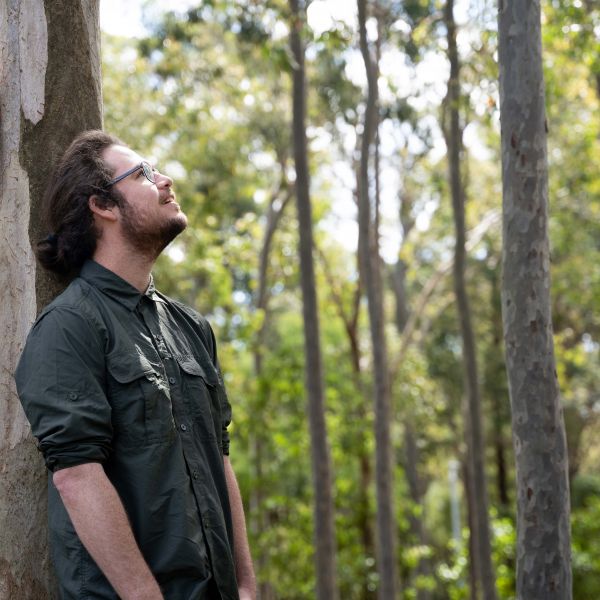
News • 10 Nov 2020
Researchers call on Port Stephens community to help save the koala
Port Stephens community members are working with scientists to collect information to help save koalas in the region.
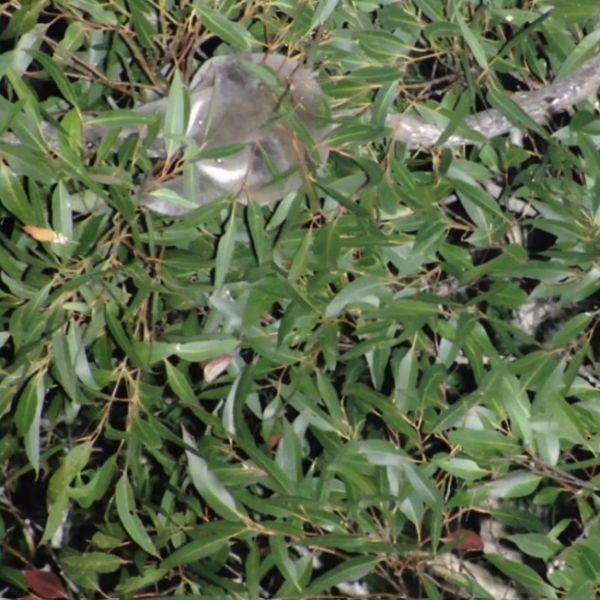
News • 10 Aug 2023
Koala conservation heats up: drones used to thermally detect animals
Conservation scientists from the University of Newcastle are using heat-detecting drones to capture data on koala populations in Port Stephens LGA.
The University of Newcastle acknowledges the traditional custodians of the lands within our footprint areas: Awabakal, Darkinjung, Biripai, Worimi, Wonnarua, and Eora Nations. We also pay respect to the wisdom of our Elders past and present.