
winangay Tiny Forest Takes Root in Tamworth
The University of Newcastle's new winangay tiny forest was planted in Tamworth last week, marking 25 years of the Department of Rural Health and commemorating the establishment of the University's Tamworth campus.
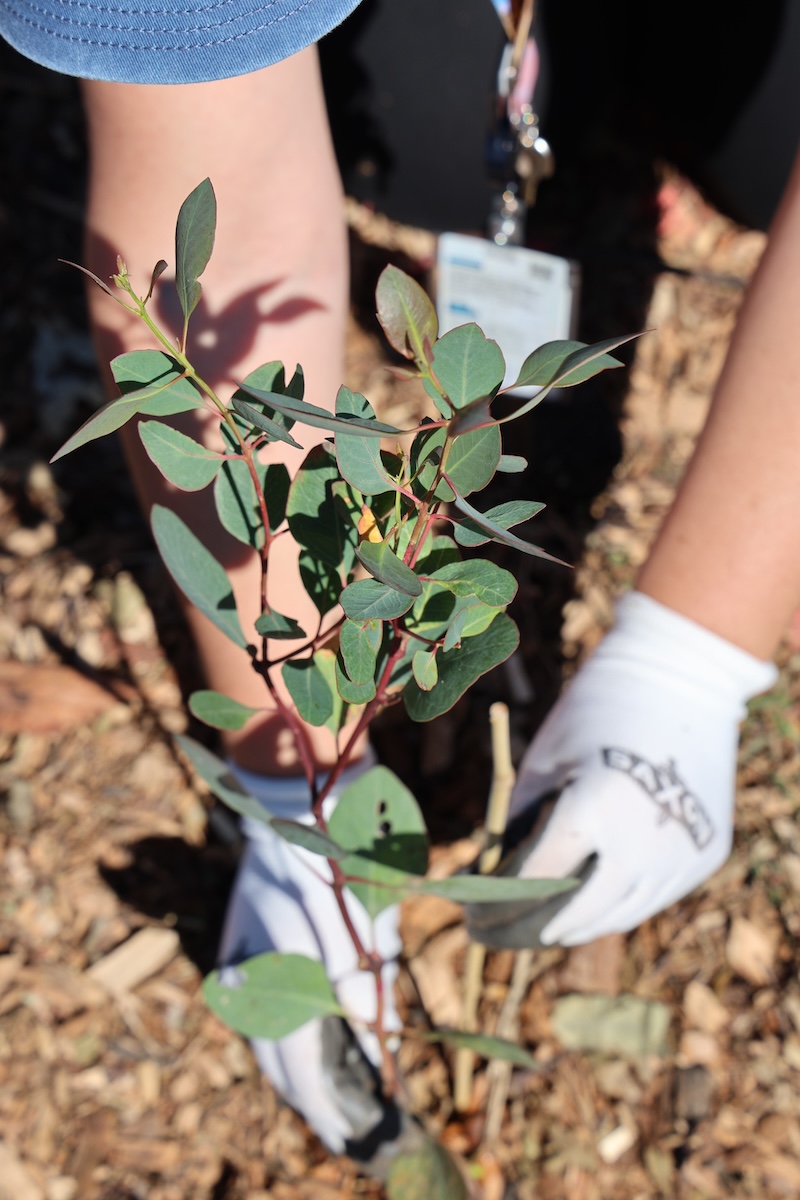 The team from the Groundswell Collective and the Walaaybaa Rangers from the Tamworth Local Aboriginal Lands Council spent the week preparing the site for planting, ensuring it was ready for the community effort on Friday.
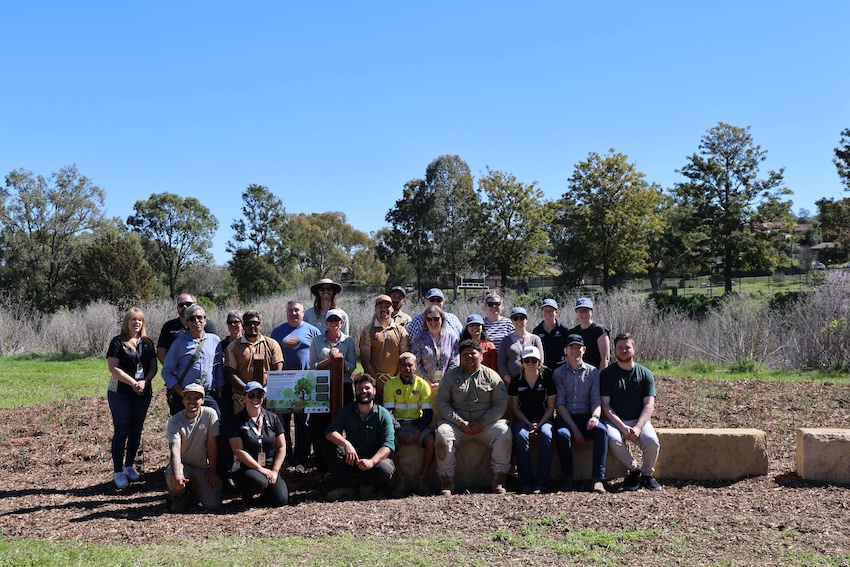
Department staff, students and local health professionals joined the Groundswell team and Walaaybaa Rangers last week to roll up their sleeves and plant around 900 native trees and plants across the 350m² Tiny Forest site.
Named winangay (pronounced winna-ngay), a Gomeroi word meaning to know, remember, think and understand, the forest acknowledges the Traditional Custodians of the land, the Gomeroi People, and celebrates the power of community partnerships.
Created in partnership with The Groundswell Collective, Hunter Urban Forests and the Walaaybaa Rangers, the Tiny Forest will help increase biodiversity, support wildlife, improve environmental resilience and create a healthy, green space for learning, wellbeing and connection.
As the forest grows, it will provide lasting environmental and community benefits for future generations.
What is a Tiny Forest?
Developed by Japanese botanist Akira Miyawaki, the Tiny Forest method uses locally native species, organically enriched soils and dense planting to create a fast-growing, multi-layered forest that mirrors natural ecosystems.
Tiny Forests improve ecosystem resilience help tackle climate change through carbon capture, improve air quality, and build healthy soils that support water filtration and resilience to heat and drought. The dense, diverse planting boots biodiversity, and provides habitat and food for wildlife and pollinators.
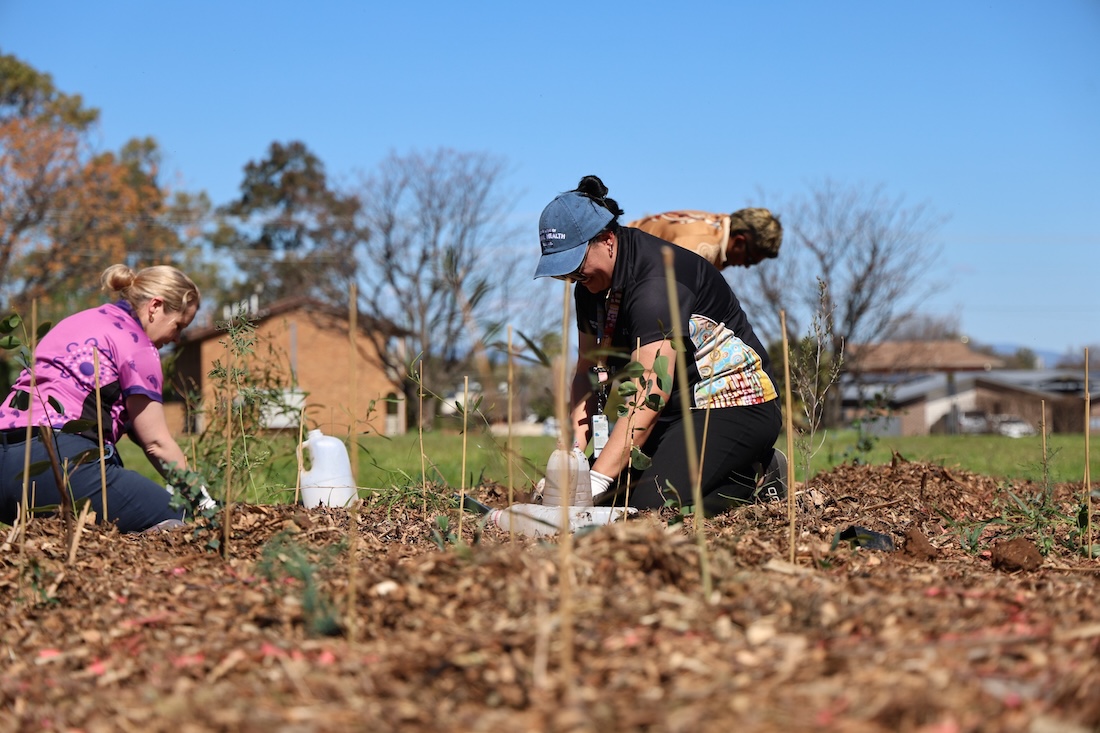
Tiny Forests reconnect people with nature, creating spaces for learning, research, wellbeing and community connection. As the winangay forest matures, it will become increasingly self-sustaining, creating a cooler, greener and more resilient environment for future generations.
Rural Landscapes
In landscapes shaped by agriculture and development, Tiny Forests create valuable refuges for native plants and wildlife. Even a small patch of densely planted native vegetation can make a big difference, restoring biodiversity, supporting pollinators, improving soil and water health, moderating local temperatures, and strengthening ecological connections across the landscape.
Contact
- Erin Sutherland | First Nations Partnerships and Engagement Coordinator
- Email: erin.sutherland@newcastle.edu.au
Related news
- Where Culture meets STEM: Empowering future leaders in Wadeye
- Showing our support for the Koori Knockout
- Opinion: HSC students be ambitious, but also kind to yourself
- Local sport gets a boost with new multisport facility honouring Mark and Kirralee Hughes
- Opinion: AI is our way back and investment's our future
Aligned with the United Nations Sustainable Development Goals


The University of Newcastle acknowledges the traditional custodians of the lands within our footprint areas: Awabakal, Darkinjung, Biripai, Worimi, Wonnarua, and Eora Nations. We also pay respect to the wisdom of our Elders past and present.