Hunter Insights Series reveals hidden workforce potential
New insights from the University of Newcastle's Institute for Regional Futures suggest the Hunter region’s biggest workforce challenge is not only skills training but also untapped workforce capacity.
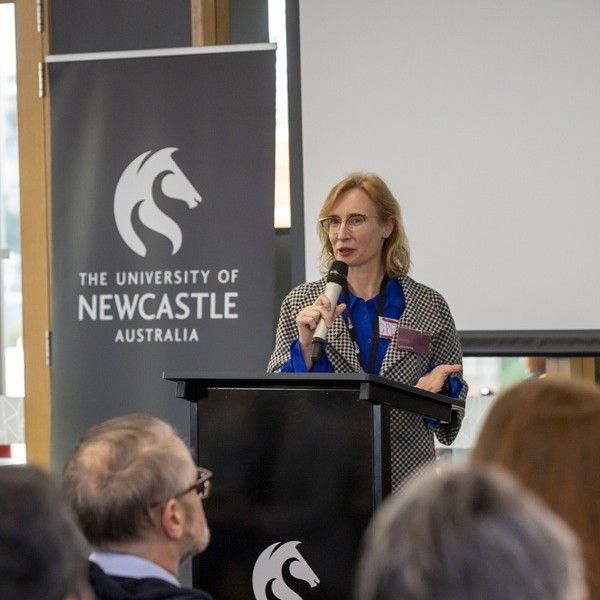
Presented at the latest Hunter Insights Series event, the findings highlight opportunities to boost participation among young people, women, experienced workers and people with disability, as the region navigates major economic transformation.
Nearly 100 leaders from industry, government, education and community organisations attended the Hunter Insights Economic Breakfast at NUspace, alongside academics from the University’s three colleges. The event explored how barriers at different stages of the workforce pipeline are contributing to workforce shortages, despite low unemployment and strong demand for workers.
A key theme of the discussion was the importance of strong pathways between schools, TAFE, universities and employers. Speakers highlighted hands-on work experience, apprenticeships, traineeships and flexible qualifications as critical tools for helping more people connect with education, training and employment opportunities.
The Institute’s Executive Director Laura Eadie said the discussion highlighted the need to look beyond traditional workforce measures.
“Our research shows there is significant workforce capacity already within the region. The opportunity lies in understanding the barriers people face and creating pathways that help them enter, remain in and progress through the workforce,” Ms Eadie said.
The University’s Director Pathways and Academic Learning Support Dr Anna Bennett, who joined the expert panel, said education providers, industry and community organisations all had a role to play.
"There is no single pathway that works for everyone. Whether people choose university, vocational education or a combination of both, we need strengths-based pathways that build confidence, recognise achievement and support people at different stages of life," Dr Bennett said.
The Institute’s findings and broader discussion emphasised the need for a shift in how the Hunter thinks about workforce growth.
“Workforce outcomes are shaped by an ecosystem of employers, education providers, communities and government. Strengthening those connections will be critical if we want more people to access the opportunities being created across the region,” Ms Eadie said.
What the research found
- The Hunter's workforce challenge is no longer simply about creating more jobs or training more people. The region's biggest opportunity may lie in unlocking workforce capacity that already exists.
- Low unemployment combined with high job vacancies suggests workforce constraints extend beyond the number of people actively looking for work.
- Workforce participation varies across the region, with barriers affecting young people, working-age women, experienced workers and people with disability.
- Stronger pathways between schools, vocational education, universities and employers are critical to helping more people connect with education, training and employment opportunities.
- Workforce outcomes are shaped by an ecosystem of employers, education providers, communities and government. Collaboration across these sectors is essential to strengthening workforce participation and regional resilience.
- As the Hunter navigates energy transition, population growth and major industry transformation, ensuring more people can participate in the workforce will be critical to meeting future demand.
Read the Economic Briefing Paper here.
Event speakers
Opening address: Professor Alex Zelinsky AO, Vice-Chancellor and President, University of Newcastle
Keynote speaker: Kira Clarke, Principal, Employment, Education and Training, Brotherhood of St Laurence
Economic overview: Laura Eadie, Executive Director, Institute for Regional Futures
Panel Chair: Bob Hawes, CEO, Business Hunter
Panellists: John Purcell, CEO, CareerLinks; Anna Bennett, Director Pathways and Academic Learning Support, University of Newcastle; Nigel Palmer, Senior Policy Manager for Skills and Education, Business NSW; Sally Bartley, Director, People Fusion; Fergus Black, Business Sales Manager, TAFE NSW
Closing remarks: Professor Alan Broadfoot, Interim Pro-Vice Chancellor Industry and Engagement
Related news
- Housing challenge reshapes the future of regional growth
- Opinion: AI is our way back and investment's our future
- Tiny ocean microbe unlocks new clue to Earth's carbon cycle
- World-leading study uncovers new targets for inflammatory bowel disease treatment
- Every hour counts: Global study links assessment delays to higher risk of burst appendix
Aligned with the United Nations Sustainable Development Goals


The University of Newcastle acknowledges the traditional custodians of the lands within our footprint areas: Awabakal, Darkinjung, Biripai, Worimi, Wonnarua, and Eora Nations. We also pay respect to the wisdom of our Elders past and present.