
New study: How risk perception affects our behaviour in a pandemic
A new study, released in Scientific Reports in Nature, found behavioural responses to pandemics are more shaped by perceived risk than actual mortality or hospitalisation risk.
Using mobility data, standard activities such as visiting parks, grocery shopping, visiting residential homes and using public transport were compared to analyse activity levels pre-COVID-19, at the declaration of the pandemic, and during the pandemic.
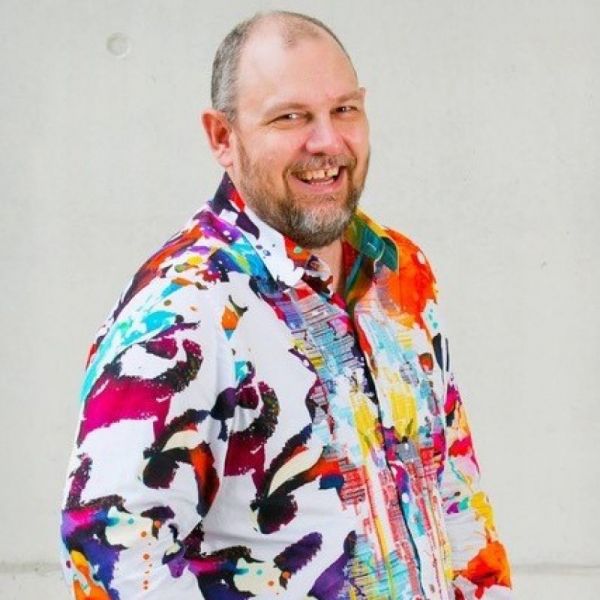
Co-author of the paper and Behavioural Economist at the University of Newcastle, Associate Professor David Savage, said the results showed that risk-taking attitudes are a critical factor in predicting reductions in human mobility and social confinement around the world.
The study found regions with risk-averse attitudes, such as Florida which has a high retiree population, were more likely to adjust their activities in response to the declaration of a pandemic, even before official government lockdown.
Click here to read the paper.
Related news
- Global evidence reveals the scale of humanity’s imprint in Earth’s geology
- Where Culture meets STEM: Empowering future leaders in Wadeye
- Showing our support for the Koori Knockout
- Opinion: HSC students be ambitious, but also kind to yourself
- Vice-Chancellor Professor Alex Zelinsky to retire in February 2027
The University of Newcastle acknowledges the traditional custodians of the lands within our footprint areas: Awabakal, Darkinjung, Biripai, Worimi, Wonnarua, and Eora Nations. We also pay respect to the wisdom of our Elders past and present.