
Building the sperm RNA profile: Mechanisms of Modulation and Acquisition
PhD Scholarship
A PhD scholarship as part of an Australian Research Council Discovery Early Career Researcher Award. The PhD student will be part of a leading research team to investigate how the sperm RNA profile is shaped during epididymal transit.
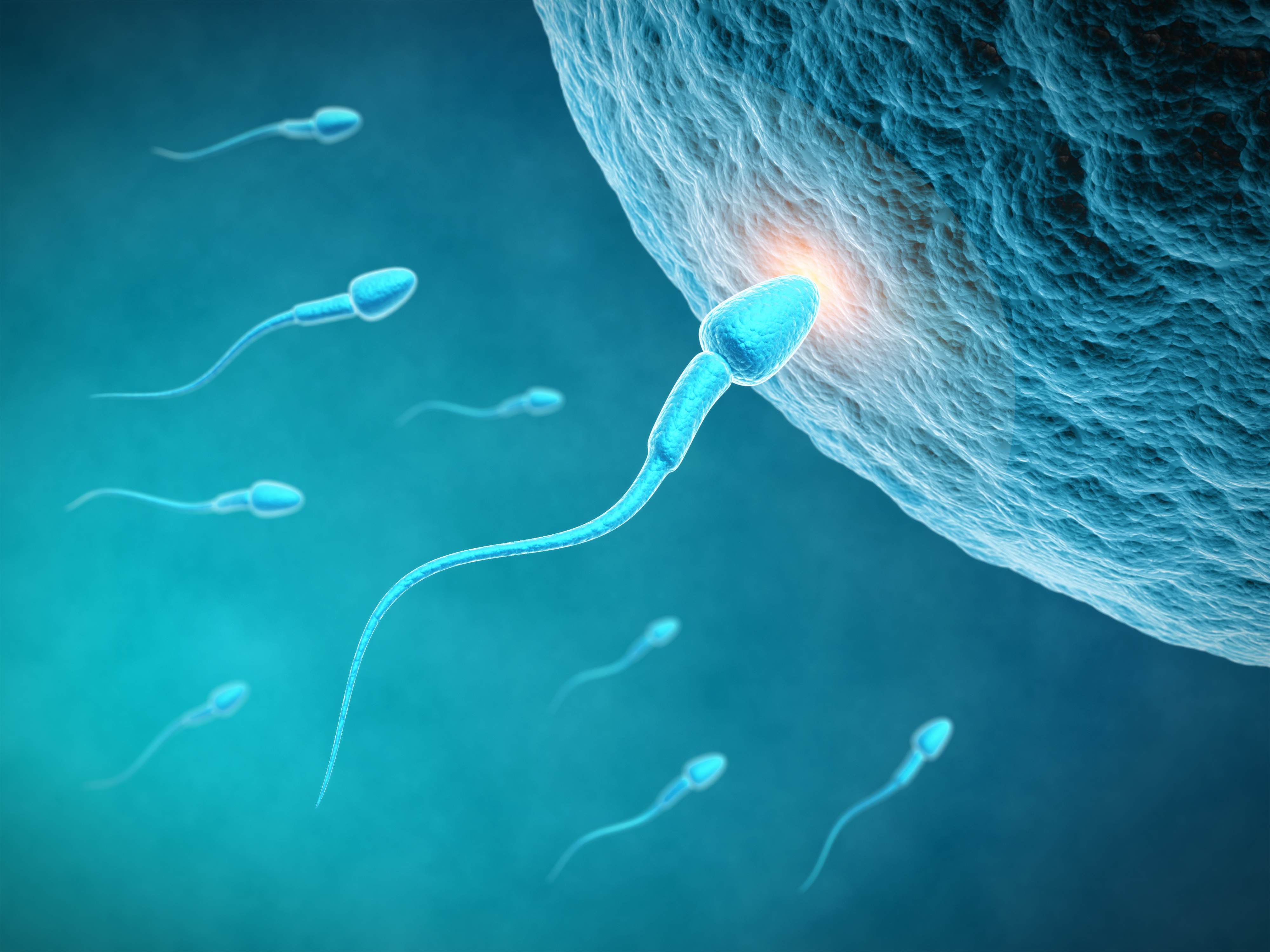
Paternal non-genetic inheritance has been shown to be driven by changing ecosystems in many species. Although RNAs have been identified as the primary non-genetic factor in sperm, contributing to fertility and breeding success, their modulation within the reproductive tract remains unclear. This project will investigate the molecular response to environmental stimuli that contributes to changes in the sperm RNA profile and characterize the breadth and function of RNA harbored in the sperm cell. The candidate will use techniques such as cell culture, IVF, RNA sequencing and extracellular vesicle analysis to explore this knowledge gap.
The project is situated within the Hunter Medical Research Institute ‘Infertility and Reproduction Program’ at the University of Newcastle; a leading research group comprising >100 research personnel and students focused on different aspects of gamete biology and their relevance to human infertility, domestic animal reproduction, novel contraceptive development, and the conservation of Australian fauna. The project is laboratory based and expected to be undertaken full-time, onsite at the Callaghan campus.
PhD Scholarship details
Funding: $38,938 per annum (2026 rate) indexed annually. For a PhD candidate, the living allowance scholarship and tuition fee scholarship are for 3.5 years. Scholarships also include up to $1,500 relocation allowance. The scholarship will be offered to the successful candidate subject to the grant/funding being fully established.
Supervisor: Natalie Trigg
Available to: Domestic students
PhD
Eligibility Criteria
The successful candidate will have a bachelor’s degree with Honours Class I or Honours Class II, Division I.
We encourage applicants with a background in biological sciences and reproductive biology to apply.
The applicant will need to meet the minimum eligibility criteria for admission.
Application Procedure
Interested applicants should send an email expressing their interest along with scanned copies of their academic transcripts, CV, a brief statement of their research interests and a proposal that specifically links them to the research project.
Please send the email expressing interest to natalie.trigg@newcastle.edu.au by 5pm on 30 March 2026.
Applications Close 30 March 2026 Apply Now
- Contact: Natalie Trigg
- Phone: +61 2 4985 4017
- Email: natalie.trigg@newcastle.edu.au
The University of Newcastle acknowledges the traditional custodians of the lands within our footprint areas: Awabakal, Darkinjung, Biripai, Worimi, Wonnarua, and Eora Nations. We also pay respect to the wisdom of our Elders past and present.