

How Much Does It Really Cost to Live in Newcastle as an International Student?
Newcastle is a coastal city with plenty to offer international students. Plus, living costs can be lower than in larger Australian cities like Sydney or Melbourne.
Understanding Newcastle's cost of living and what to expect before you arrive can help you plan your budget and make the most of your student experience.
Here's a breakdown of common living expenses and some simple ways to save money.
Rent
Many University of Newcastle students choose to live in shared accommodation in suburbs close to the Callaghan campus, such as Mayfield, Waratah and Jesmond. In these areas, students can generally expect to pay around 200–350 per week for a room in shared accommodation, potentially including utility bills. Prices will vary depending on the property, location and what's included.
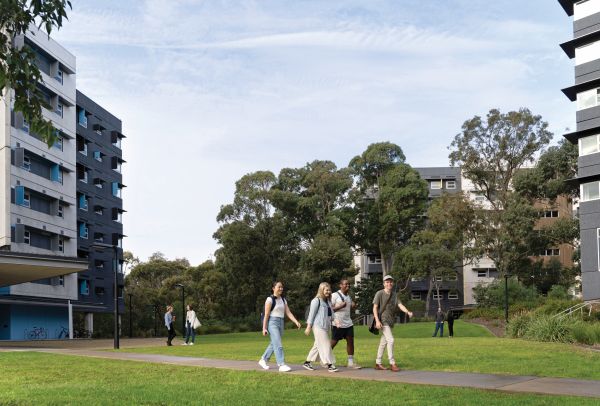
You can also explore on-campus accommodation at the University of Newcastle. There are different room types and living arrangements to suit different budgets, with some accommodation packages including utilities and meals. Check the University's accommodation website for current fees and inclusions.
Whether you choose to live on or off campus, it's worth comparing your options and checking what's included in the rental price before making a decision.
Monthly estimate: $870-$1,520
Food and groceries
How much you spend on food depends largely on how often you cook. If you like to prepare meals for the whole week, ALDI is your best bet - it’s often the cheapest for everyday staples like rice, eggs, and bread. The Newcastle City Farmers Market, held monthly at Civic Park, is also a great spot for affordable fresh fruit and vegetables.
If you eat out regularly, your costs could climb quickly. A casual restaurant meal can cost around $20-$25, and even fast food is $12-$16 per meal. Saving dining out for social occasions and cooking most nights at home is the best way to stretch your food budget.
You can also access affordable meals through the University of Newcastle. Through Sustain Me, students can access meals from campus retailers at significantly reduced prices. Check the Sustain Me page to see which venues are participating.
The University of Newcastle Students’ Association (UNSA) runs the UNSA Pantry, a collection of food initiatives, and Free Food Friday. UNSA also hosts plenty of events, which include free lunches. Keep an eye on the event page for updates.
Monthly estimate: $300–$400
Bills: phone, internet and utilities
When choosing accommodation, it's worth checking which bills are included in your rent. Some properties include electricity, gas and water, while others charge these separately. You may also find accommodation that offers complimentary internet or Wi-Fi.
If utilities aren't included, you could expect to pay around $60-$110 per month when sharing with another housemate, depending on usage and the time of year.
For home internet, a standard WiFi plan, fast enough for streaming, video calls and online lectures, costs around $50-$80 per month for the whole household, according to Canstar. Split two ways, that's roughly $25-$40 each.
A mobile phone plan or prepaid SIM with plenty of data and unlimited local calls and texts will usually cost around $20-$35 per month. Check out Amaysim, ALDI Mobile or Dodo.
Monthly estimate: $100-$160
Transport
The amount you spend on transport will depend on where you’re living and how you enjoy getting around.
As a University of Newcastle student, you can get travel between campuses for free using the campus shuttles. To use the shuttle, all you need to do is tap your student card at the reader when getting on the bus. There is also a Station Shuttle, which connects Warabrook Station to campus, and the Security Shuttle, which travels around Callaghan during the day. The Security Night Shuttle provides transport to locations on campus and selected nearby suburbs within three kilometres of Callaghan. Download the myUni app to find all the information you need about the University of Newcastle's shuttle services.
The city is also incredibly walkable, and also has a number of cycling trails, which would make your transport free! Otherwise, there are bus, train, light rail and ferry options, depending on which campus you’re studying at. Use NSW Transport’s Trip Planner to work out which option is best for you.
It’s recommended that you get an Opal card to pay for your trips on public transport. They offer a range of travel benefits including half-price fares for the rest of the week once you complete eight paid journeys between Monday and Sunday. Travel as much as you want within the Opal network and you never pay more than $50 a week.
Monthly estimate: $200

Fitness and wellbeing
As a University of Newcastle student, you've got a great gym deal right on campus. NUsport, the university’s sports and fitness centre, has student memberships from $12.30 per week, giving you gym access, fitness classes and a pool across their two locations. They also run social sport competitions throughout the week, which is a great way to meet people without spending too much.
Monthly estimate: $50-$60
Entertainment and shopping
Newcastle's beaches are completely free, and the city has a packed calendar of weekend markets, live music and community events. For paid activities (cinema, a night out, weekend trips), try to budget around $100-$150 per month. Add streaming subscriptions and you're looking at another $15-$25. For clothing, between the major shopping centres and Newcastle's op shops (such as Vinnies and Salvos), you can keep costs to around $50-$100 per month.
Monthly estimate: $165-$275
Your monthly student budget
Put it all together and an international student in Newcastle can expect to spend roughly $355-$660 per week, depending on your lifestyle and living situation. That's a lot less than what you'd pay in Sydney!
Your actual expenses may be lower if your rent includes utilities or internet, you make use of free campus transport, or you take advantage of student discounts and affordable activities.
The best way to stay on top of your finances is to build a budget, and try to stick to it. The Australian Government's free Moneysmart budget planner can help you plan out your income and expenses.
Support for international students
If you need help managing your student budget, you can contact the University's International Student Support team and explore the University's Financial Wellbeing resources for information and guidance.
For more tips on budgeting and saving, as well as plenty of other financial resources and information, check out the Financial Tips page.
If financial concerns are causing you stress or anxiety, book an appointment with a Wellbeing Advisor.
The University of Newcastle acknowledges the traditional custodians of the lands within our footprint areas: Awabakal, Darkinjung, Biripai, Worimi, Wonnarua, and Eora Nations. We also pay respect to the wisdom of our Elders past and present.