

Herbarium Stories
Using Sniffer Dogs to Detect a Plant Pathogen at the Don McNair Herbarium
By Elise Rourke
Phytophthora cinnamomi is a microscopic plant pathogen that threatens biodiversity across Australia, and often goes undetected until plants begin to die. This fungus-like water mould causes dieback disease by infecting plant roots and limiting their ability to absorb water and nutrients. It spreads through the movement of contaminated soil and water, and is recognised as a threat to 236 nationally listed threatened species and 32 threatened ecological communities in Australia.
As there is no cure for infected plants, rapid and reliable detection is essential to prevent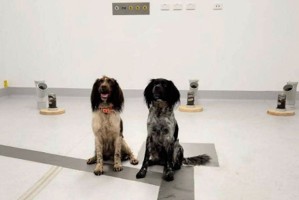 further spread. Traditional laboratory testing of soil samples can be costly and time-consuming, so an emerging alternative is being explored: the use of conservation sniffer dogs.
Through the NSW Government’s Saving our Species program, two spaniels, Alice and Echo, have been trained to detect P. cinnamomi in soil. The project is led by the NSW National Parks and Wildlife Service, in collaboration with Tate Animal Training Enterprises and research partners including the University of Sydney and Botanic Gardens of Sydney. Honours student Elise Rourke (University of Newcastle) has contributed her own research questions and assisted with the project.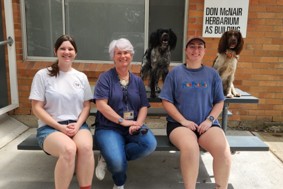 The Don McNair Herbarium hosted several controlled detection trials, providing a valuable space for testing the dogs’ accuracy.
Preliminary results suggest the dogs can reliably detect the pathogen in both wet and dried soils, supporting their potential use at vehicle checkpoints, plant nurseries and in broader landscape surveys. Elise has expressed her gratitude for the herbarium staff and volunteers, whose support made these trials possible and helped ensure their success.
30 Years On - History of Don McNair Herbarium
Thirty years ago, a local auto-electrician with a keen interest in Australian native flora made an invaluable donation to research and teaching at the University - as well as to the Hunter’s ecology at large.
As the University celebrates 60 years of pioneering research and education, it’s important to recognise the individuals, like Dr Don McNair, whose passion and commitment made this milestone possible.
Born in 1920, and with no official training in taxonomy, Don spent almost 70 years meticulously collecting and pressing plant samples from around the Hunter.
By the time Don donated his collection to the University in 1995, he had amassed around 5500 pressed plant specimens. This was supplemented by other collections gifted to Don, so that close to 6000 specimens came to the University thirty years ago.
This would become the Don McNair Herbarium.
In recognition of his incredible contribution to botany in the Hunter, Don was awarded an Honorary Doctorate by the University of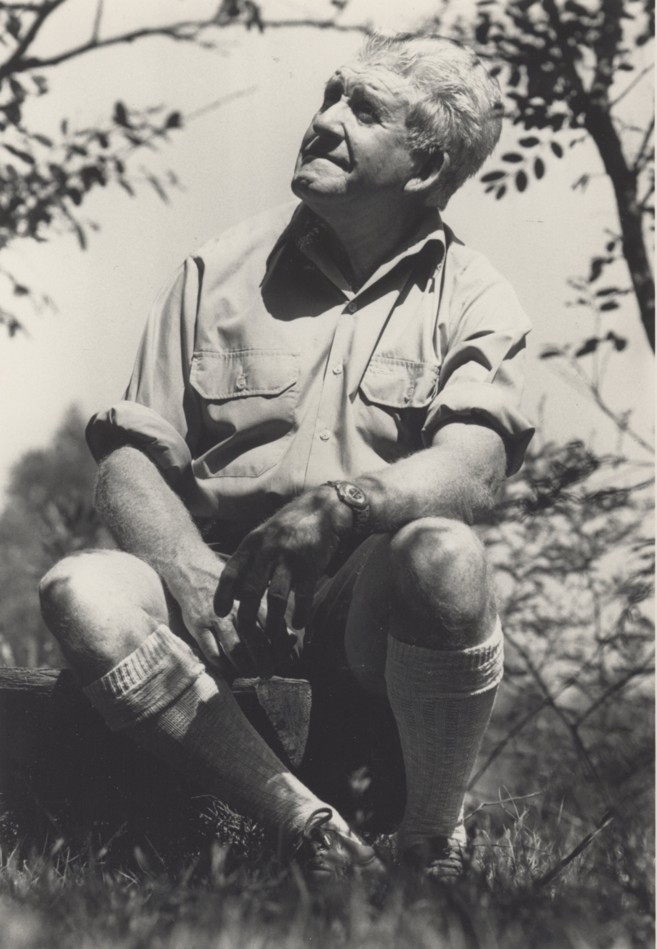 Newcastle in 1996.
“The Herbarium should be a vibrant working unit supporting the research and teaching of The University and engaging with the community in the areas of Plant Taxonomy, Ecology and Natural History Illustration, and itself continuing to build the collection for perpetuity”.
Now, volunteers like Don McNair Herbarium Collections Manager Ingrid Offler are keeping this legacy alive.
“Our endeavour will be to continue to grow the collection so that, over time, the data that we hold will be able to help us track changes in flora in this region,” Ingrid says.
“It’s critical, from a research perspective, to have herbaria located where people are actually working in the field. Universities are the ones training the next generation.”
Herbal Medicine Research at the Herbarium
The University of Newcastle acknowledges the traditional custodians of the lands within our footprint areas: Awabakal, Darkinjung, Biripai, Worimi, Wonnarua, and Eora Nations. We also pay respect to the wisdom of our Elders past and present.