

CIFAL Newcastle
Strengthening capacities for sustainable development
CIFAL Certified Courses
See Our Webinars
The Politics of Power
May 15, 2026 | Newcastle
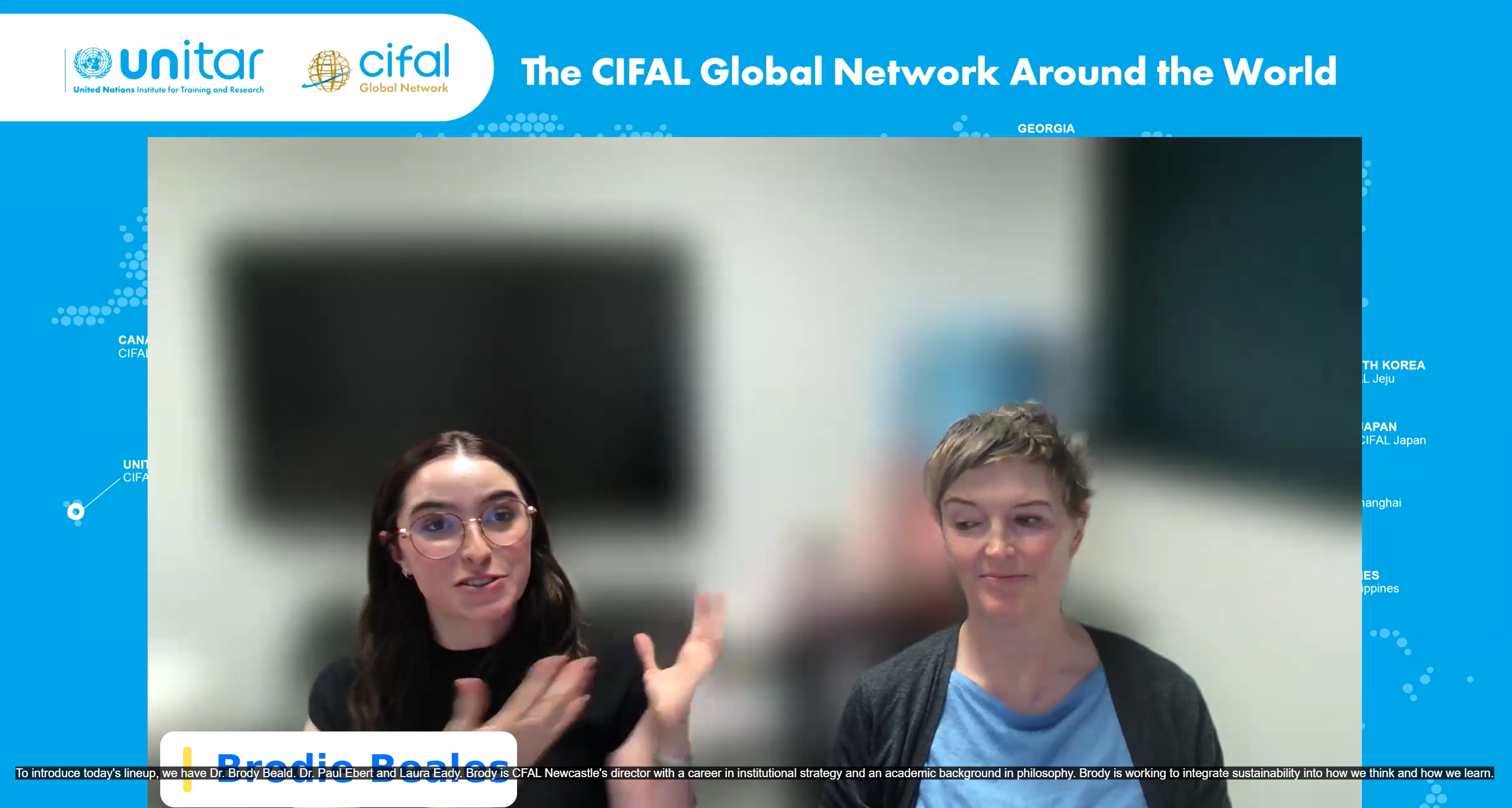
As one of the largest coal exporters in the world, how can Newcastle make the renewable energy transition? Multiple factors need to be considered, from political decision making to renewable energy capabilities. Newcastle is asking the question: Can we move from a coal giant to a clean energy powerhouse?
The Politics of Power
May 22, 2026 | Nigeria
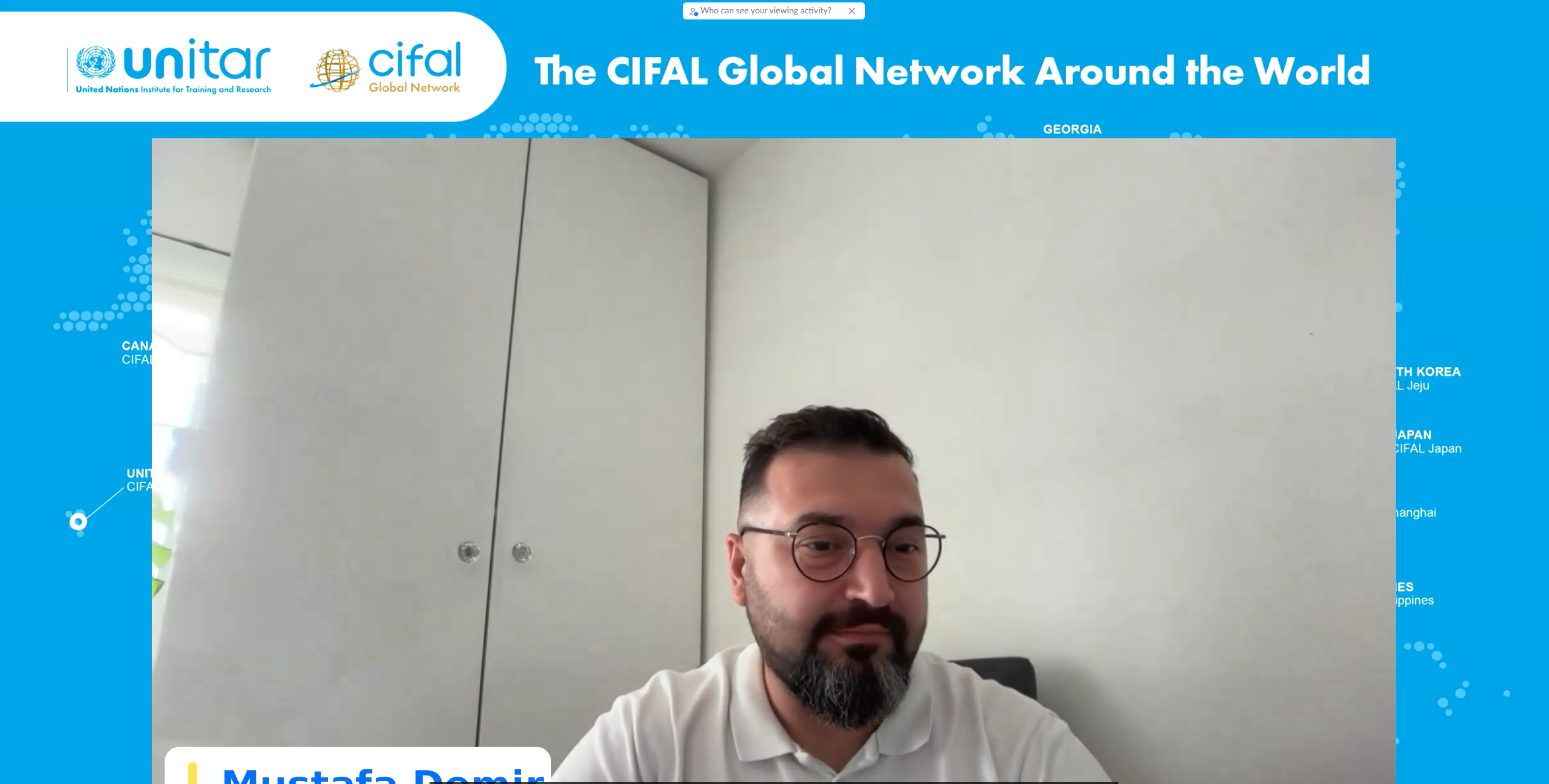
Due to Nigeria’s vast oil resources and reliance on oil and gas for energy production, this webinar focuses on the dual challenge of maintaining economic stability while expanding domestic energy access through developing sustainable alternatives, as global markets move away from fossil fuels.

The Politics of Power
May 29, 2926 | Surrey
Why has there been a rapid shift in the UK and the EU energy infrastructures? And what factors have contributed to this changing energy system?
Explore our full list of CIFAL Certified events, courses, degrees and workshops at the University of Newcastle

Cultural Capability Training Program
This training is designed to help create a culturally responsive work environment through a better understanding of Aboriginal and Torres Strait Islander peoples, histories, cultures, and contemporary issues.
Bachelor of Environmental Science & Management
The Bachelor of Environmental Science and Management offers four majors so you can tailor your degree to suit your interests and career objectives. Studying a major allows you to gain detailed skills and a strong understanding of key principles in your chosen environmental science speciality.
Children's University
Children between the ages of 7 and 14 years are encouraged to discover new learning experiences outside of the classroom, in their local and regional community and on campus. The children build their own learning program by engaging in extracurricular activities throughout the year, recognising that learning happens everywhere and doesn’t have to be constrained by curriculum.
BUSN3004 – Career-Ready Industry Led Project Lab
This course is designed to help you develop professional skills and career readiness in the business sector. You will have the opportunity to gain real world experience through multiple avenues, such as working on projects, leadership training, stakeholder engagement and professional presentations. The aim is to bridge academic theory with professional practice, enhancing employability and providing invaluable work experience.
National Science and Engineering Challenge
The National Science and Engineering Challenge is a nationwide competition for primary and high school students, hosted by the University of Newcastle and in collaboration with local communities, Rotary clubs and other universities. The National Science and Engineering Challenge offers a vast range of science and engineering challenges, fostering an environment of teamwork, out-of-the-box thinking and complex problem-solving.
ARBE6619 – Methods for Evidence-Based Decisions in Disasters
This post-graduate course is designed to provide you with methods, evidence-based decision-making skills and research ethics training, focussing on both qualitative and quantitative methods to engage with topics and issues relevant to Disaster Risk Reduction and Resilience.
ARBE6620 – Disaster Risk and Resilience Capstone Project
This post-graduate course allows you to undertake a supervised individual research project on topics relating to disaster risk and resilience. You can utilise both qualitative and quantitative research approaches to design your own project and submit a thesis of your findings.
ARBE3101: Performance and Sustainability of the Built Environment
This undergraduate course uses the knowledge of First Nations Peoples and the United Nations Sustainable Development Goals to explore and evaluate the modern and future built environment on a local, and global scale. When undertaking this course, you will have the opportunity to engage with aspects of sustainable construction practices, from Indigenous perspectives, sustainable design and community and the built environment.
Field Epidemiology: Vanuatu
Field Epidemiology in Action (FEiA) partners with governments and national teams in the Pacific to train health professionals in preventing, detecting, and responding to public health threats. There is a string focus on field training, rapid response training and gender-sensitive training to enable health professionals to provide efficient and effective responses and care in the face of health emergencies.
EDUC4750: K-6 Curriculum Contexts: Integration and Inclusion
This undergraduate course addresses skill development needed for curriculum design, focusing on professional engagement, community asset analysis and reflection. This course gives you the opportunity to learn how to effectively create curriculums with engagement from local communities.
EDUC6918: The Global Primary Professional
This postgraduate course is for Primary Initial Teacher Education Students. You will learn how to design a curriculum using multi-level pedagogies, during a 40 day block of full time professional experience in a school. You will have the opportunity to engage in numerous aspects of teacher life, while learning about the legal, social and ethical responsibilities of the teaching profession.
ARBE6617: Disaster Resilience Economics and Business Resilience
This postgraduate course will teach a systemic approach to disaster risk reduction, through exploring the role of private businesses, micro and macro economics and business decision making in disaster resilience. You will deepen your understanding of risks and how to mitigate them in private sector organisations.
ARBE6618: Disaster Governance and International Frameworks
This postgraduate course explores disaster risk reduction and its interactions with governments. Using UN frameworks and perspectives from international, national, state and local governments, you will apply disaster risk reduction assessments to these contexts.
Contact Us

The University of Newcastle acknowledges the traditional custodians of the lands within our footprint areas: Awabakal, Darkinjung, Biripai, Worimi, Wonnarua, and Eora Nations. We also pay respect to the wisdom of our Elders past and present.