Growing Aboriginal and Torres Strait Islander-led philanthropy in higher education that is culturally responsive and impactful for communities.
Philanthropy, our way
Philanthropy, Our Way explores how Aboriginal and Torres Strait Islander-led philanthropy in higher education can drive culturally grounded, community-defined change. Co-authored by the University of Newcastle and Noble Ambition, it offers insights and practical actions for funders, universities and communities.
Why this work matters
Higher education is one of the most powerful pathways to improve life outcomes for Aboriginal and Torres Strait Islander peoples. This paper outlines how philanthropy can support community-defined priorities, grounded in Indigenous knowledge, governance and leadership.
True equity requires a shift from giving to us, to investing with us.
Professor Kelvin Kong
Key findings
Our conversations with Aboriginal and Torres Strait Islander leaders and funders revealed four opportunities to grow philanthropy that is culturally responsive and impactful for communities:
- Strengthen the ecosystem
Build the structures, data, relationships and capabilities that support best practice in Aboriginal and Torres Strait Islander-led philanthropy. - Centre Aboriginal and Torres Strait Islander leadership
Meaningful impact requires philanthropy to be guided by Aboriginal and Torres Strait Islander knowledge, governance and self-determination at every stage. - Shift philanthropic practice
To grow Aboriginal and Torres Strait Islander-led giving, philanthropy must adopt long-term, relational and flexible approaches that evolve with community priorities. - See higher education as an enabling environment
With cultural governance structures, deep community relationships and Indigenous leadership, universities can model how culturally responsive philanthropy can thrive.
Invitation to the sector
We invite funders, partners and universities to reflect on their own philanthropic practice and consider how Aboriginal and Torres Strait Islander leadership and priorities guide their work. Growing Aboriginal and Torres Strait Islander-led philanthropy requires trust, humility and long-term partnership, grounded in culture and focused on community-defined outcomes.
In reading this paper, I encourage you to be open. To truly reflect on what it means to pass on the benefits to the next generation. To consider new approaches. To see Aboriginal and Torres-Strait Islander philanthropy in higher education as the game-changer it can be for communities when it is grounded in culture.
Loren Collyer (Bandjin)
Interim Pro Vice-Chancellor, Indigenous Strategy and Leadership and Head of the Wollutuka Institute
About the authors
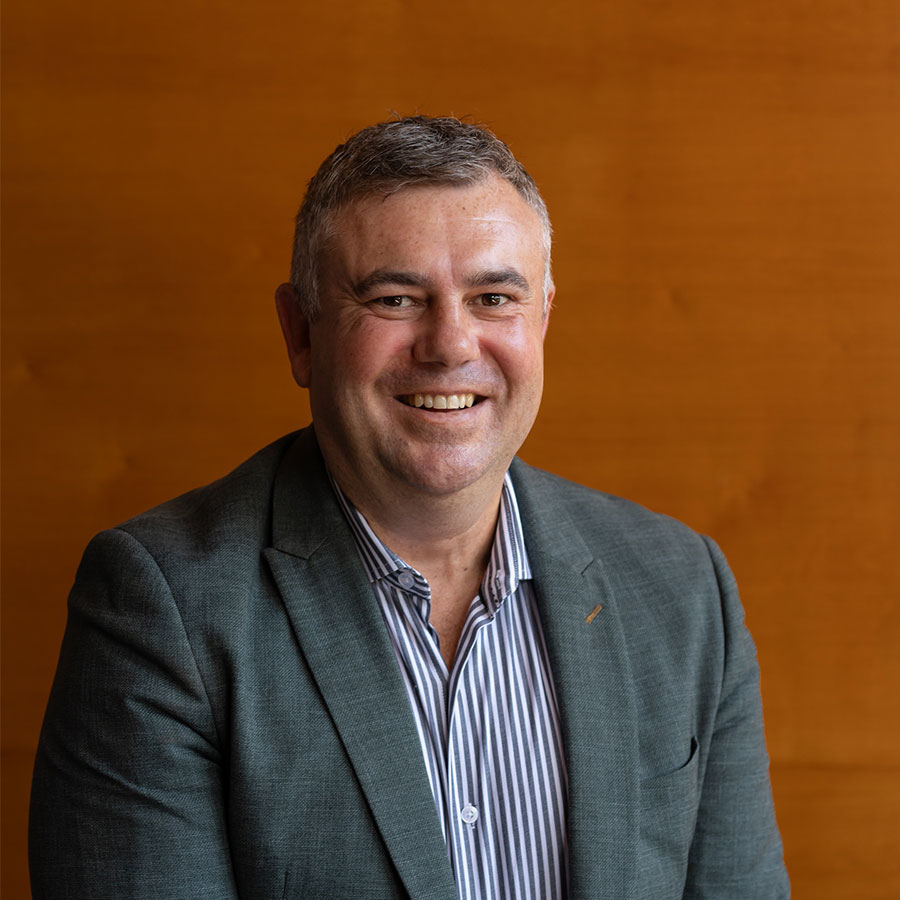
Nathan Towney (Wiradjuri)
Deputy Vice-Chancellor, Engagement and Equity (Interim), University of Newcastle. Nathan is a leader in Indigenous education, cultural governance and community partnerships, advocating for approaches grounded in self-determination and community-defined priorities.
Read more
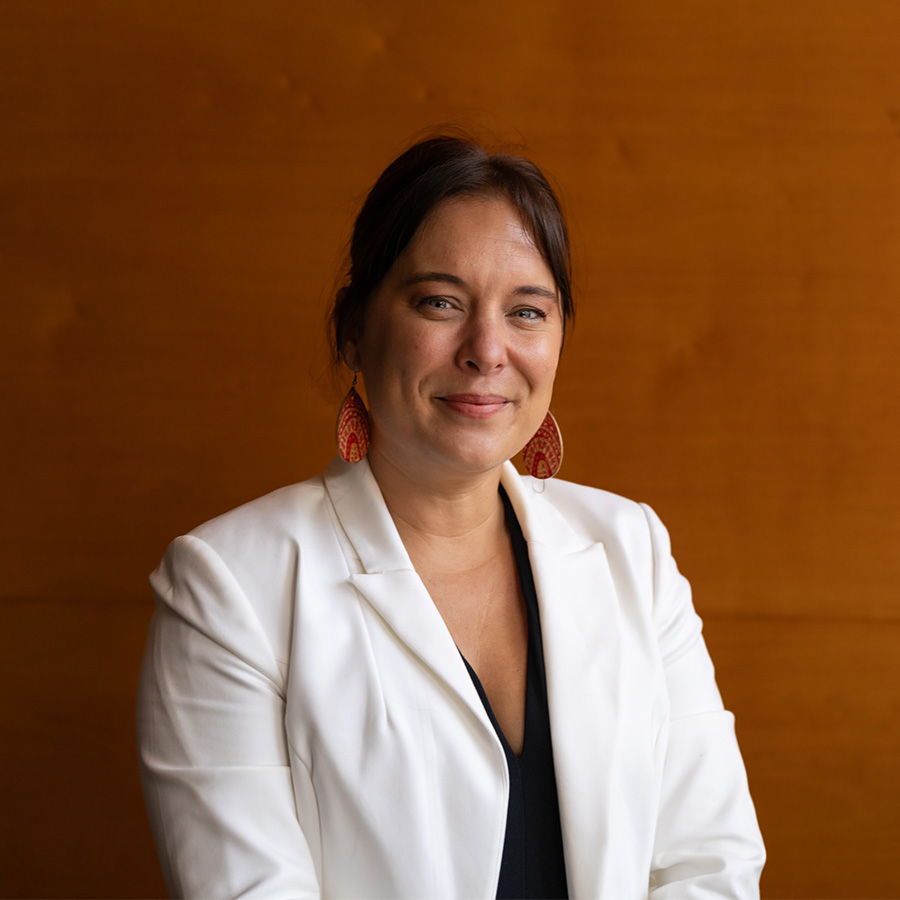
Loren Collyer (Bandjin)
Interim Pro Vice-Chancellor, Indigenous Strategy and Leadership, and Head of the Wollotuka Institute. Loren champions Aboriginal and Torres Strait Islander knowledge systems and culturally grounded educational practice, drawing on long-standing community relationships and cultural leadership.
Read more
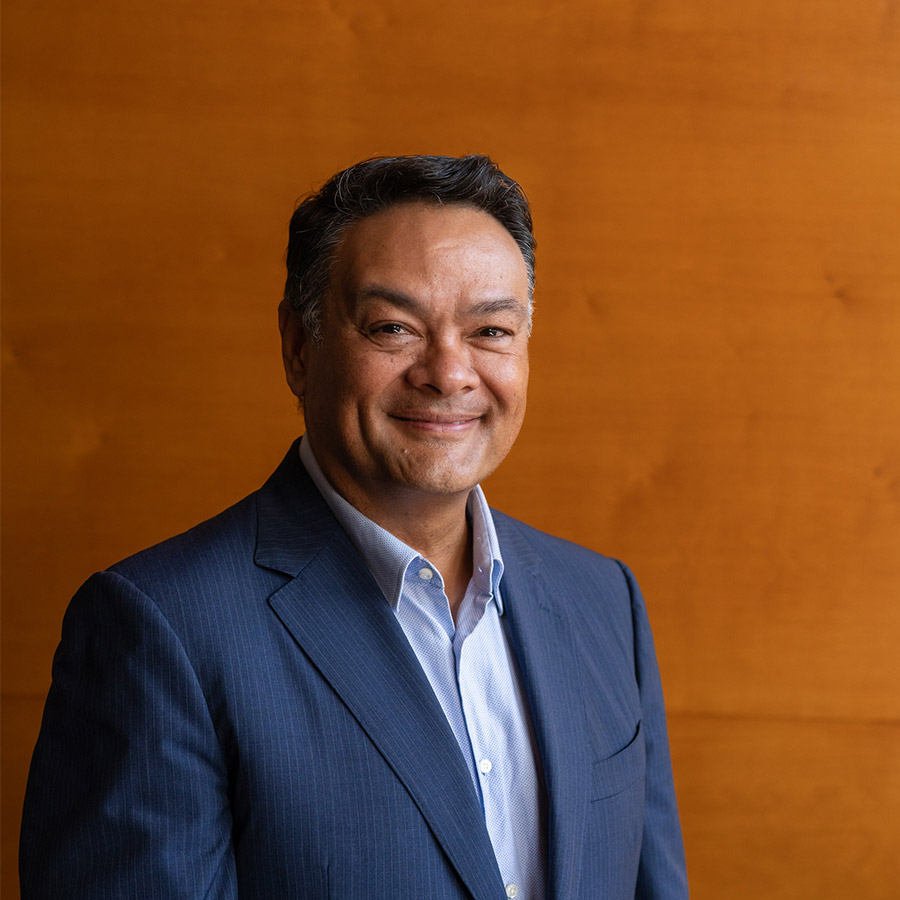
Professor Kelvin Kong (Worimi)
Australia’s first Aboriginal Fellow of the Royal Australasian College of Surgeons and Professor in the School of Medicine and Public Health. Kelvin leads transformative health research and advocacy focused on equity, community partnership and culturally responsive care.
Read more

Noble Ambition
Noble Ambition is an Australian leader in philanthropy and fundraising strategy, partnering with for‑purpose organisations, individuals, families and foundations to grow ambitious and impactful giving.
Read more
Case studies
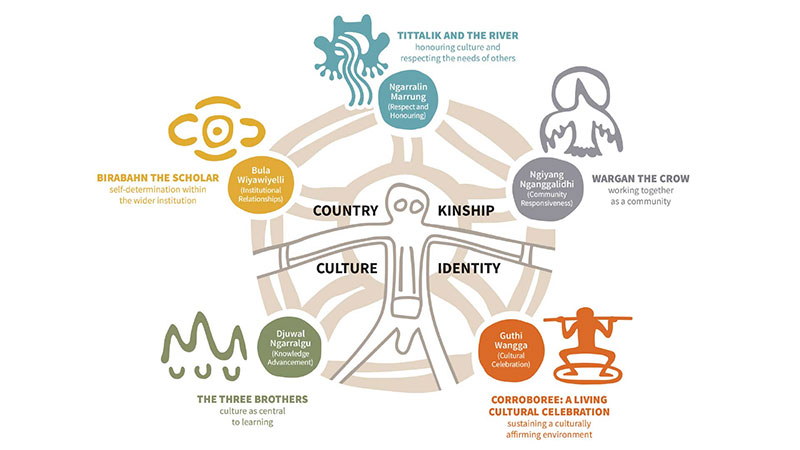
Cultural Governance at the University of Newcastle
Read more
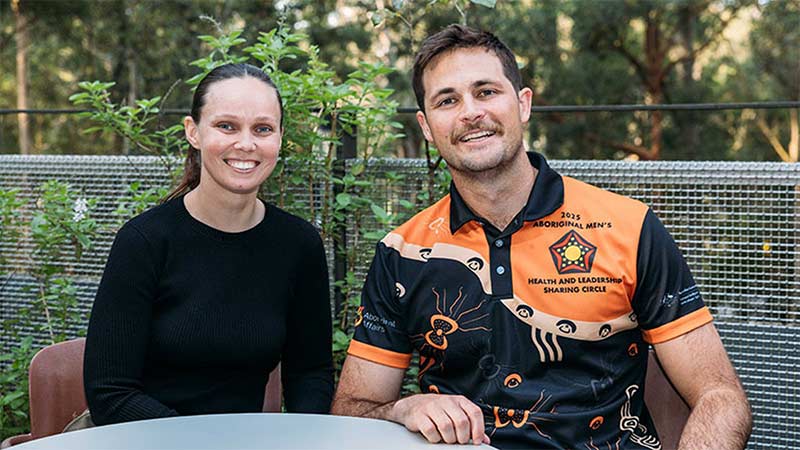
Cultural Capability Framework and Training
Read more
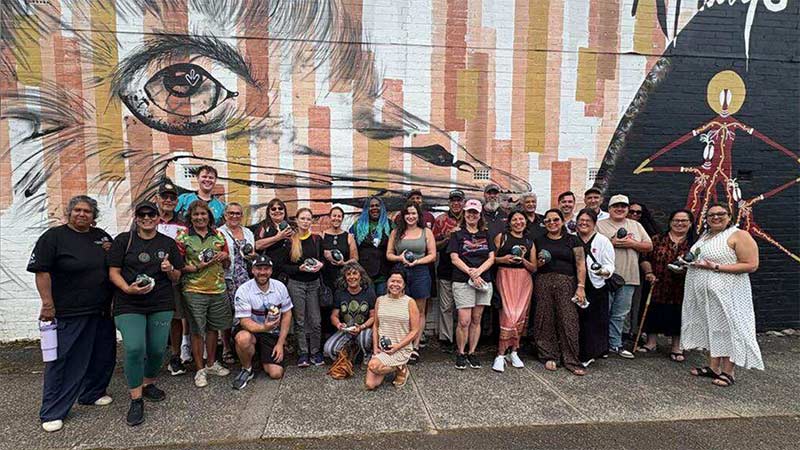
University of Newcastle Aboriginal and Torres Strait Islander Education and Research Framework
Read more
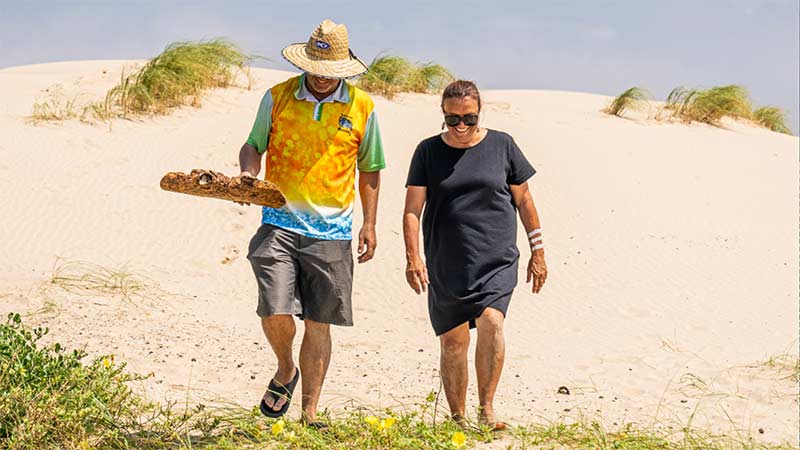
Research Our Way - Aboriginal Health Research Strategy
Read more
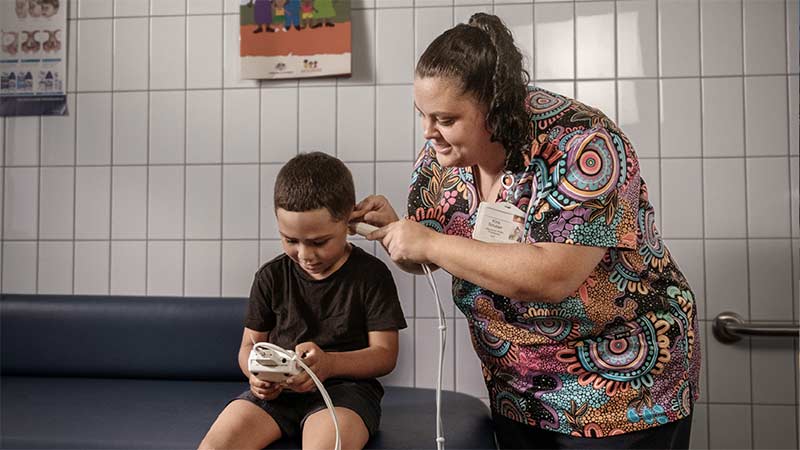
Muku (Ear) Indigenous Research Program
Read more
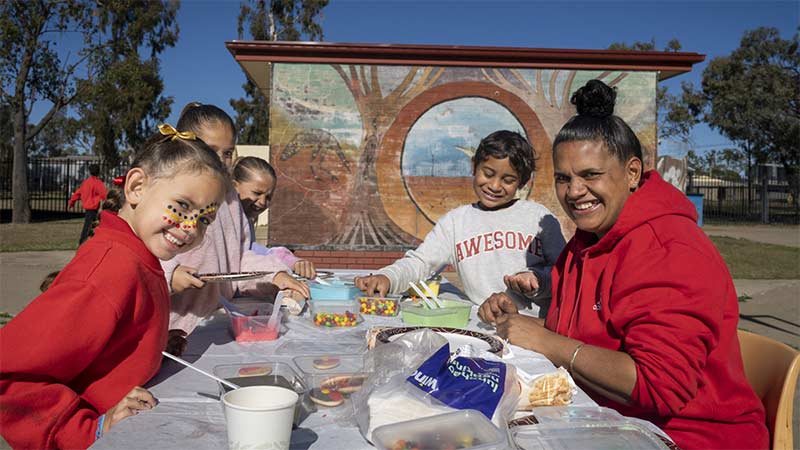
Evaluating the Expanded Connected Communities Strategy (2024)
Read more

Ngarrama - A Night of Reflection and Reconciliation
Read more
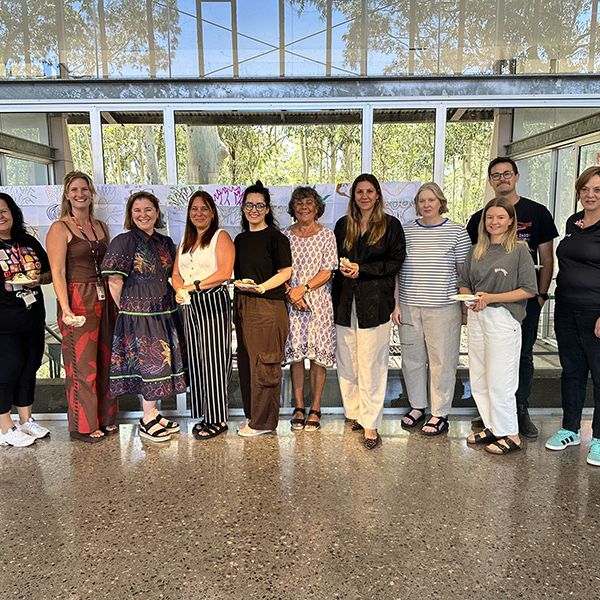
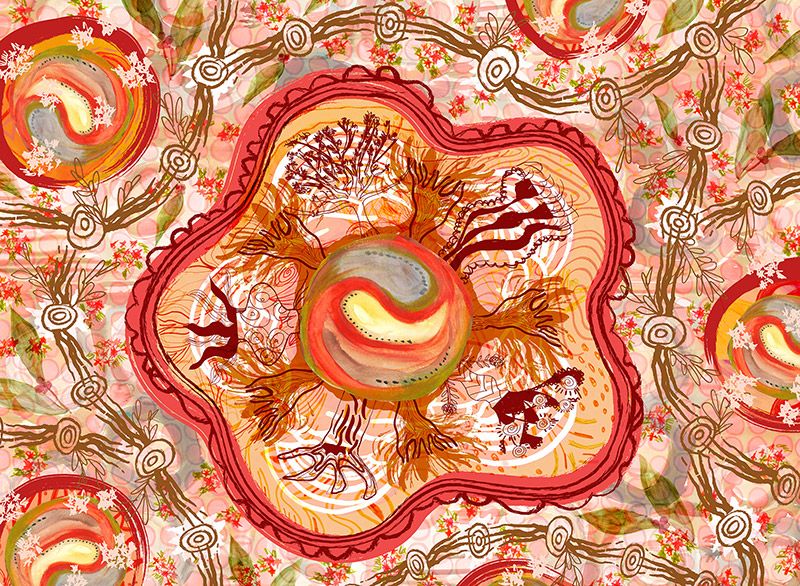
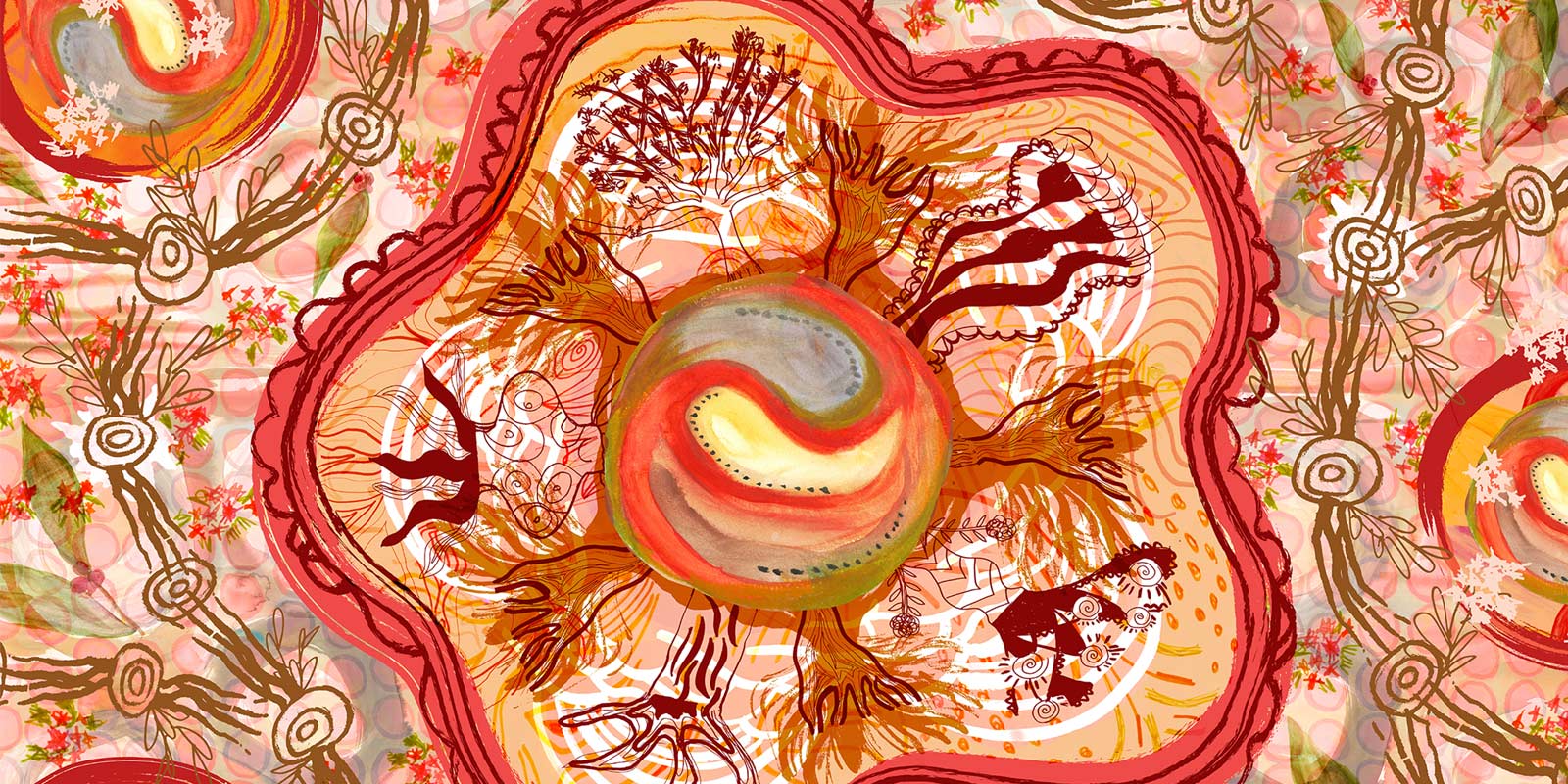
Collaborative indigenous arrtwork
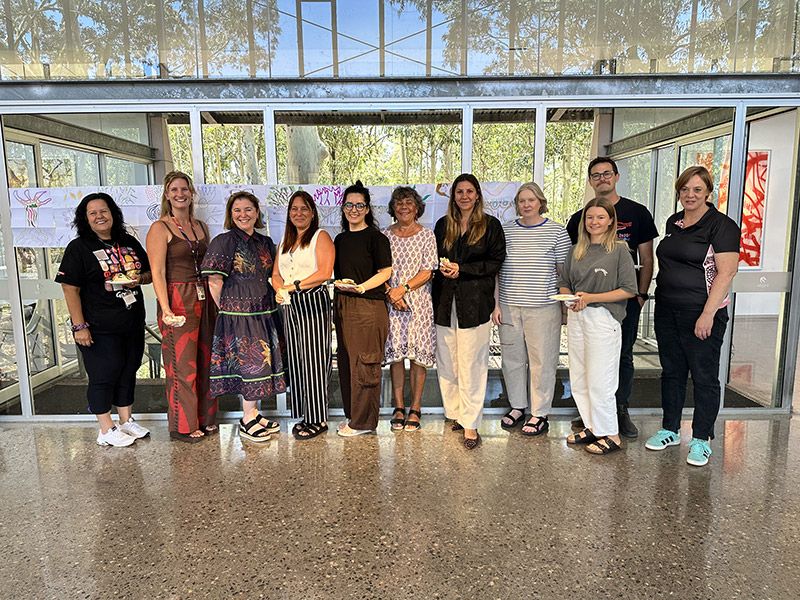
Philanthrophy, Our Way working group
The University of Newcastle acknowledges the traditional custodians of the lands within our footprint areas: Awabakal, Darkinjung, Biripai, Worimi, Wonnarua, and Eora Nations. We also pay respect to the wisdom of our Elders past and present.