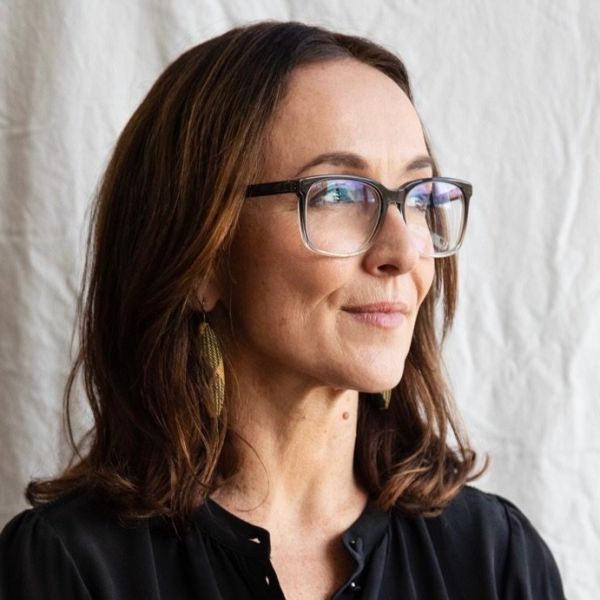
Courtney Collins: A Creative Life
My job is to be thin-skinned. Sometimes it pays really well. Often it doesn’t pay very much. The job description sounds simple but requires discernment: To let things in. And then do the long, slow work of giving shape to the material.
Life is the material.
I came to the University of Newcastle sideways. The year before, I’d been travelling through Europe, America and Mexico, escaping a job as a junior journalist that had given me a deadline discipline and a deep curiosity in humans and the stories they tell. But I had a ridiculous notion: I wanted to write a novel. I had no idea how to do it.
The journalism was a foundation. But it wasn’t enough.
I had a hunch that a writer must first be a good reader, and that I needed to learn to read again. But this time, more attentively. I wanted to pay attention to the way stories are built, to examine their architecture and look critically at craft. That was the inquiry that took me to Newcastle, and it has never gotten old. In later years, spurred on by the same questions, I completed a Masters and then a PhD at two other institutions. But Newcastle was where I really claimed myself as a writer.
That claiming was not easy or simple. My family is working class. The idea of a life without a salary or a certain title terrified them, and they did their best to put that terror on me. I resisted.
This is, I think, the first necessary work of an artist’s life: resistance.
Resistance to what the mainstream will sell you as a good life. Resistance to the dross that gets served up. Resistance to the voices you’ll hear and the ones you’ll internalise, that tell you the risk is too great and that you are not enough. A writer’s path is uncertain and that is what made it all the more compelling for me.
I discovered on this uncertain path that resistance, when you stay with it long enough, becomes generative. It stops being rebellion and starts being an orientation, a compass. You begin to ask different questions of the world. Whose story is not being told? What is missing from the shelves, from the screen, from the conversation?
As a writer or an artist you get to ask many questions: Who are my heroines and heroes? What is my taste, and where did it come from, and does it really belong to me? There is so much pleasure in these questions because over time the answers will change.
A university degree in the creative arts can give you so much. It gave me the tools to read carefully, to sit inside a text and to see its intricate design. It gave me life-long friends. And it gave me time to wonder and muse.
What an institution cannot give you is the courage to follow a hunch, to connect to your intuition. That’s on you.
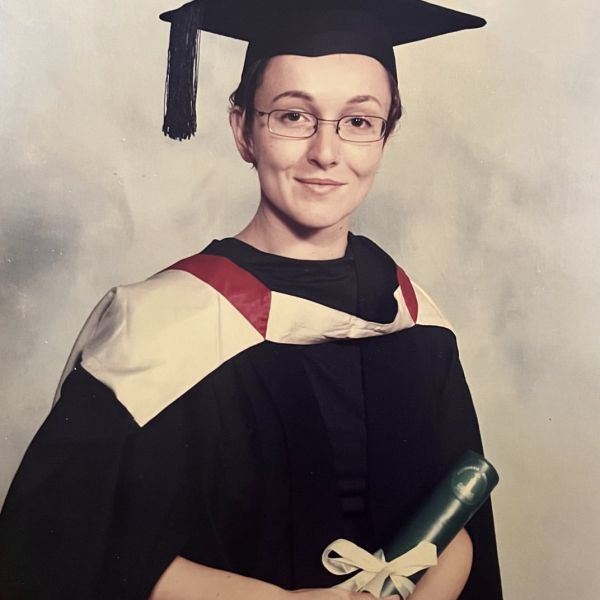
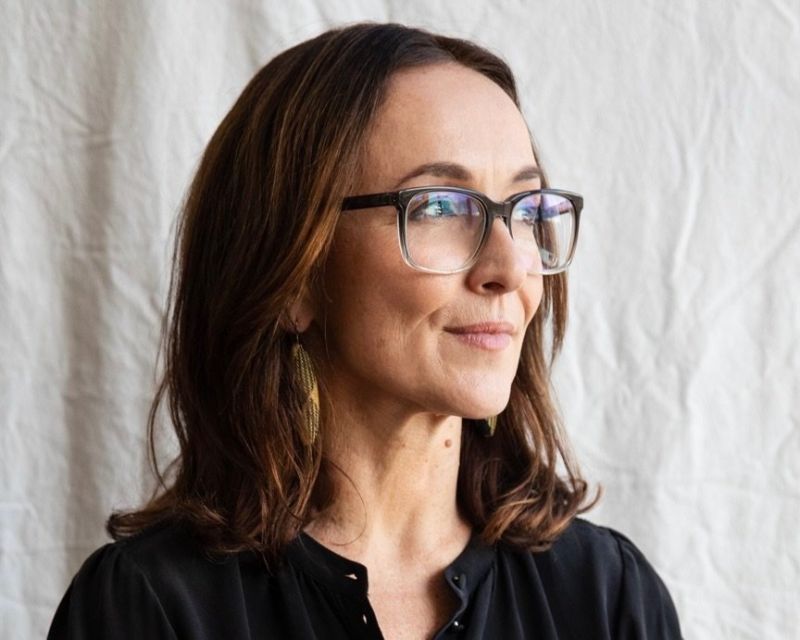
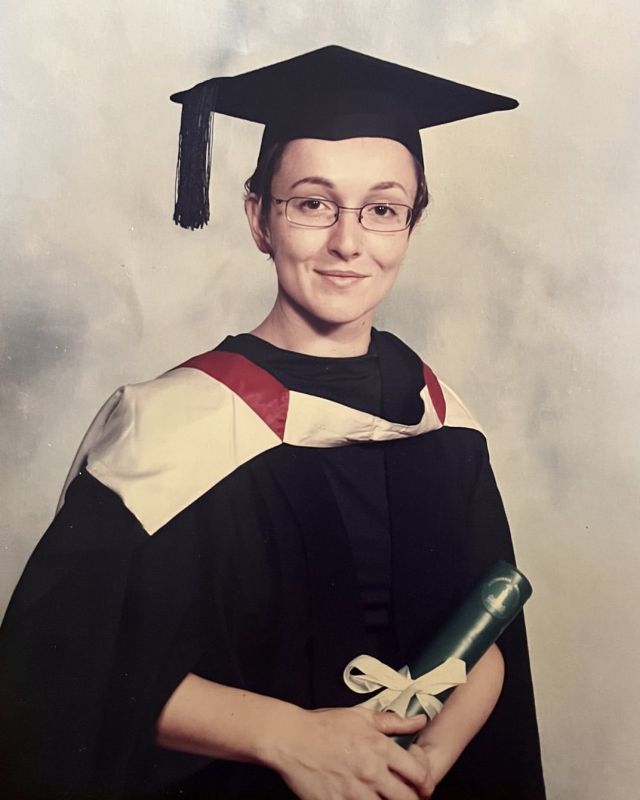
Courtney Collins graduation photo 1999
Choosing the life of the writer or artist, some people will tell you they want what’s best for you, and they will try to insult you in the same breath. They may even tell you to get a real job. They do this because you took a risk they couldn’t take.
Don’t worry about them.
But do find people who have taken the kind of risks you have taken too. You will need them in ways you cannot imagine.
And yet something strange can happen when you take your work seriously. Your sense of self begins to dissolve. But as it dissolves it also expands. You will discover a joyful universe where you are not at the centre of things but part of its intricate design. You will make sense of yourself through others and others will make sense of themselves through you.
In that joyful universe the world’s noise, grief, and strangeness will still reach you. You will not be immune to it. But the joy will be in discovering you don’t have to carry the weight of the world alone.
I have written plays and novels. I have made a dozen short films with First Nations artists in southeast Arnhem Land. Most recently, I wrote a feature film, and my best friend directed it. It’s called Life Could Be a Dream and right now it’s playing in cinemas nationally. All of these works exist because I declared myself willing to live with uncertainty, to not know how they would resolve, and to keep working anyway.
The Dean’s Medal I received for my Honours project at The University of Newcastle sits somewhere in a box. What I carry with me is something harder to hold but no less durable: the conviction that paying close attention to something you love is a radical act, and the best job description is the one you’ll write yourself.
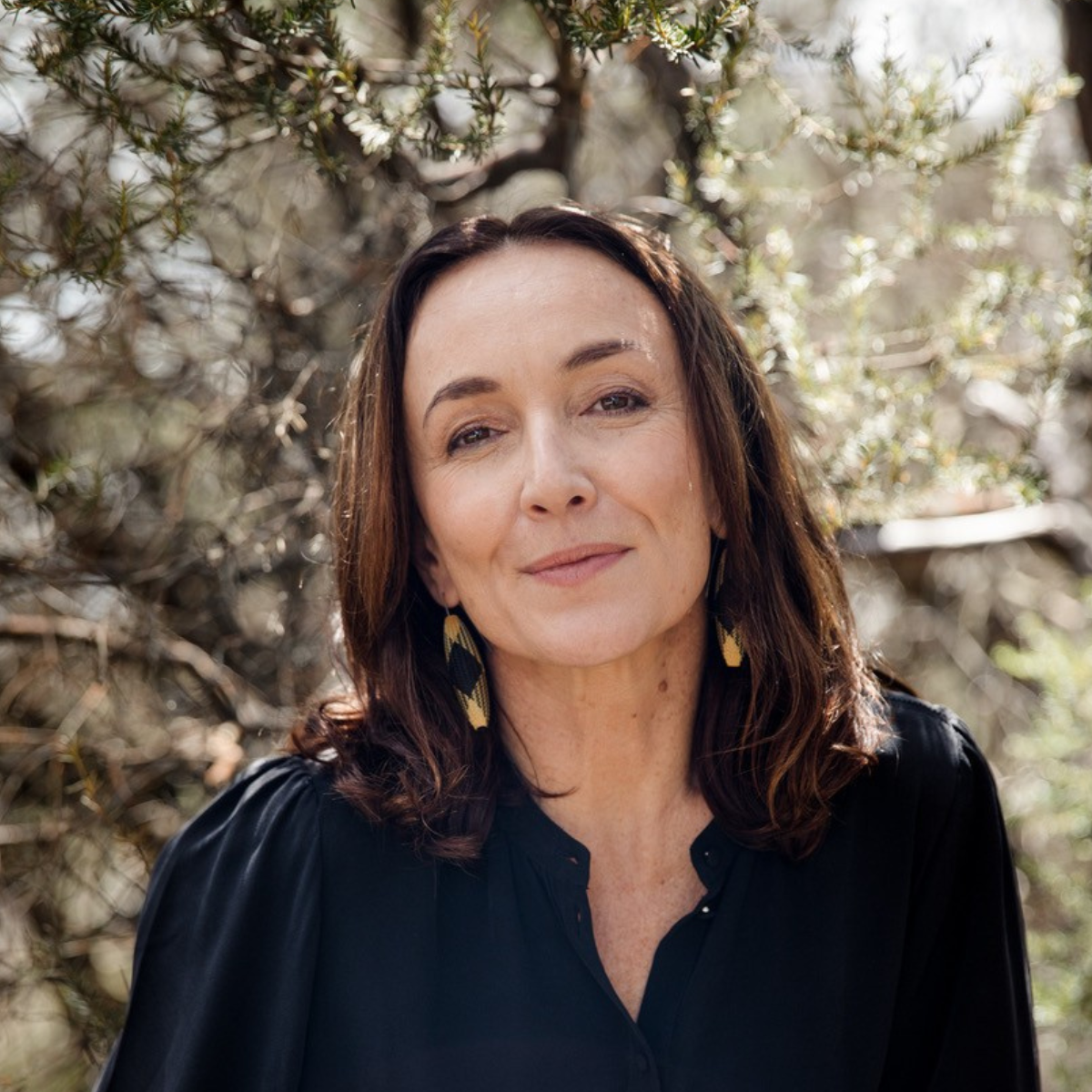 | Author, Screenwriter, Producer Bachelor of Arts in English Literature (First Class Honours) 1999 |
Inspired by Courtney's insights?
The University of Newcastle acknowledges the traditional custodians of the lands within our footprint areas: Awabakal, Darkinjung, Biripai, Worimi, Wonnarua, and Eora Nations. We also pay respect to the wisdom of our Elders past and present.