
Health, Medicine and Wellbeing
By fostering resilience, growing interprofessional skills, and mobilising collective action, our College is committed to delivering better, healthier living for our communities.
Enabling better, healthier living in our communities and beyond.
We are doctors, nurses and midwives. Pharmacists, occupational therapists, biomedical scientists, physiotherapists. Epidemiologists, nutritionists, radiographers. And so much more. We are leaders and listeners.
About our College
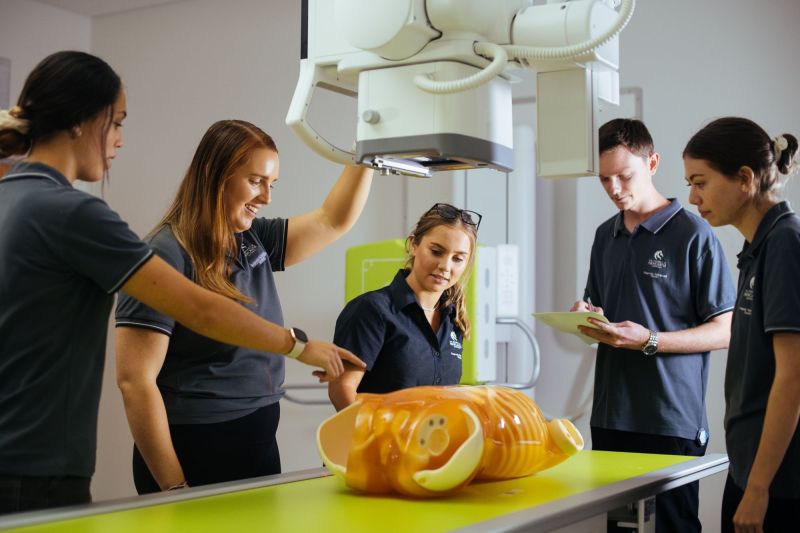
Our College strives to make a difference by preparing exemplary, career ready health care and health research professionals, and producing world-leading research that builds capacity for excellence in healthcare intervention.
Our Schools

School of Biomedical Sciences and Pharmacy

School of Health Science

School of Medicine and Public Health

School of Nursing and Midwifery
Research stories
Buying time for stroke patients
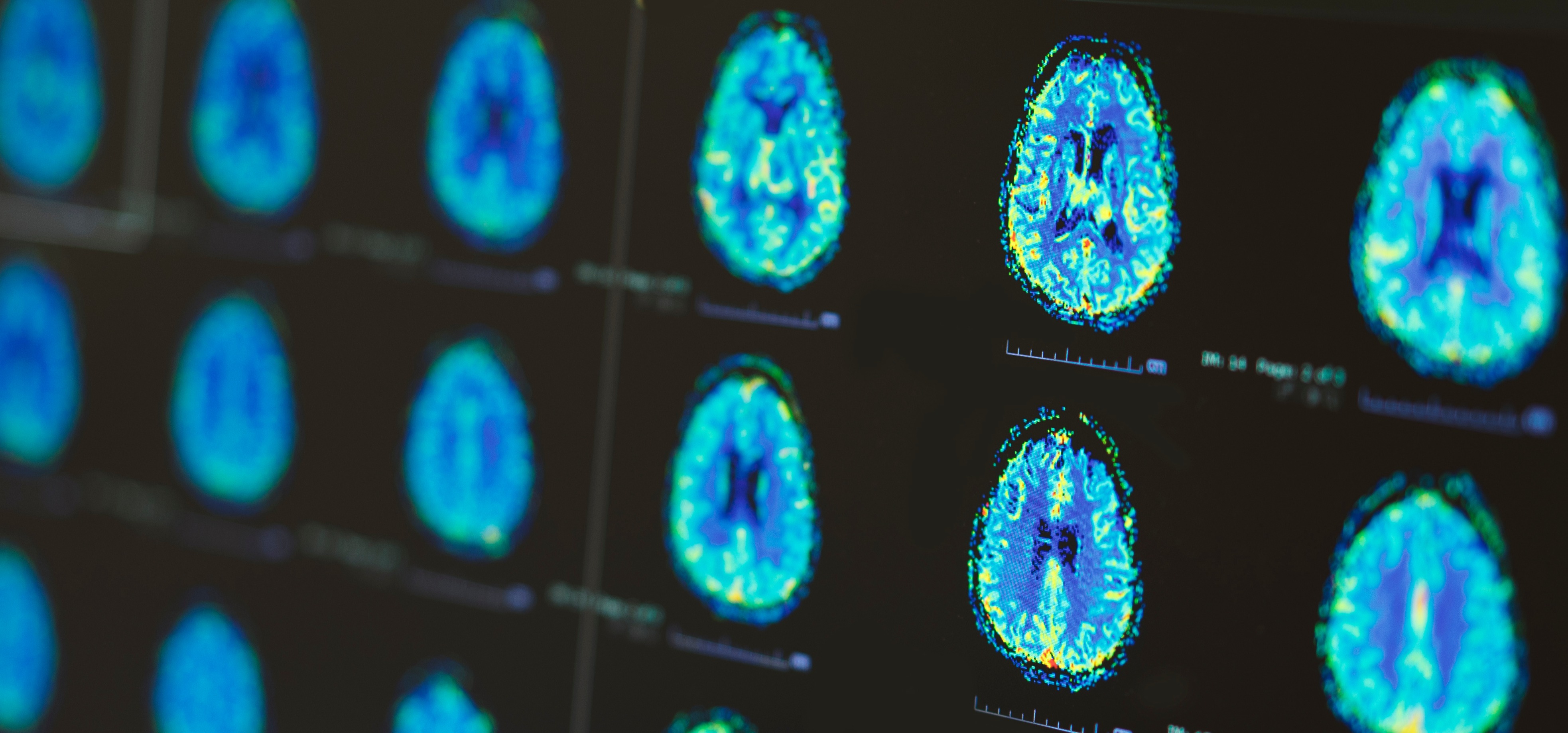
Researchers at the University of Newcastle are pioneering a world‑first therapy that boosts the brain’s collateral blood flow, extending the treatment window for stroke patients and enabling more people to access life‑saving interventions.
Read more

How 57,000 women are shaping health policy in Australia
Researchers from the University of Newcastle and the University of Queensland have created the largest and longest-running women’s health study in Australian history – and its findings are shaping policy and practice at the state, national and international levels.
Read more

Tracking flu outbreaks to improve public health
The University of Newcastle’s FluTracking program uses weekly crowd‑sourced data to detect the onset and severity of influenza and other respiratory illnesses, helping health officials monitor outbreaks across Australia and internationally.
Read more
Research Institutes & Centres
Tackling the issues that matter to our regions and our world.

Education
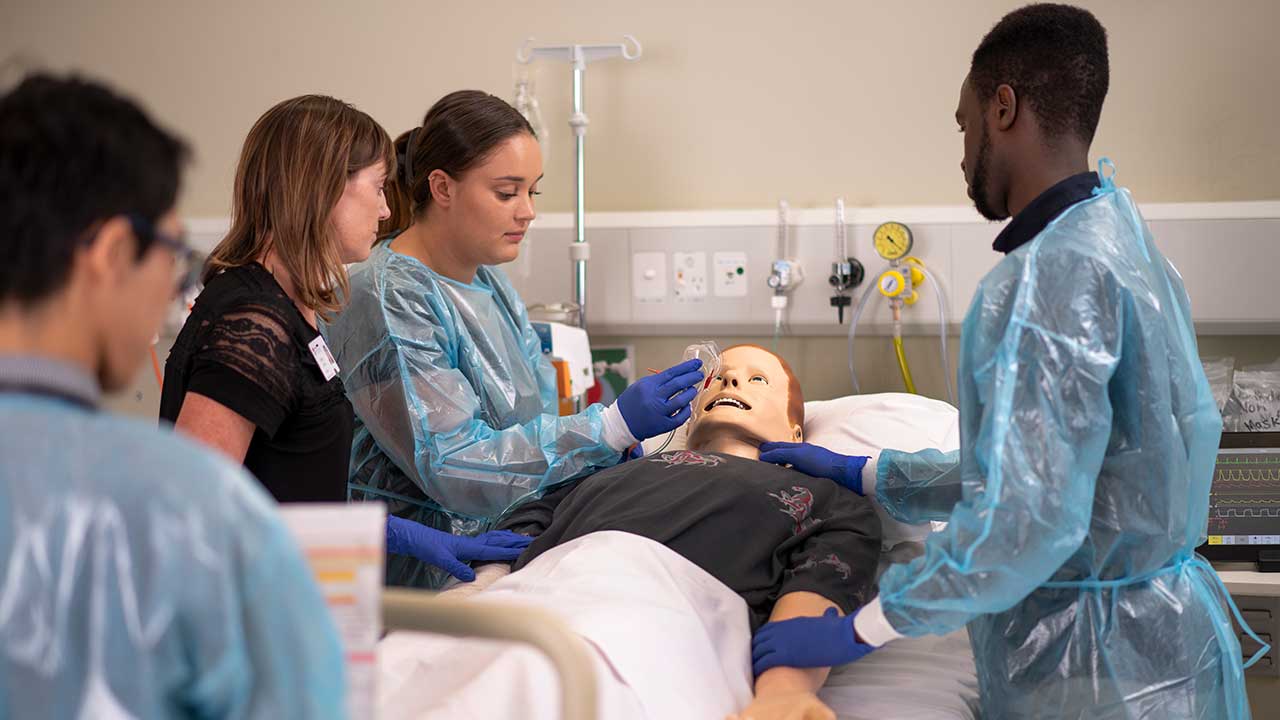
Taught in state-of-the-art learning environments and inspired by passionate lecturers, our students are prepared for the health and medical workforce of today — and tomorrow.
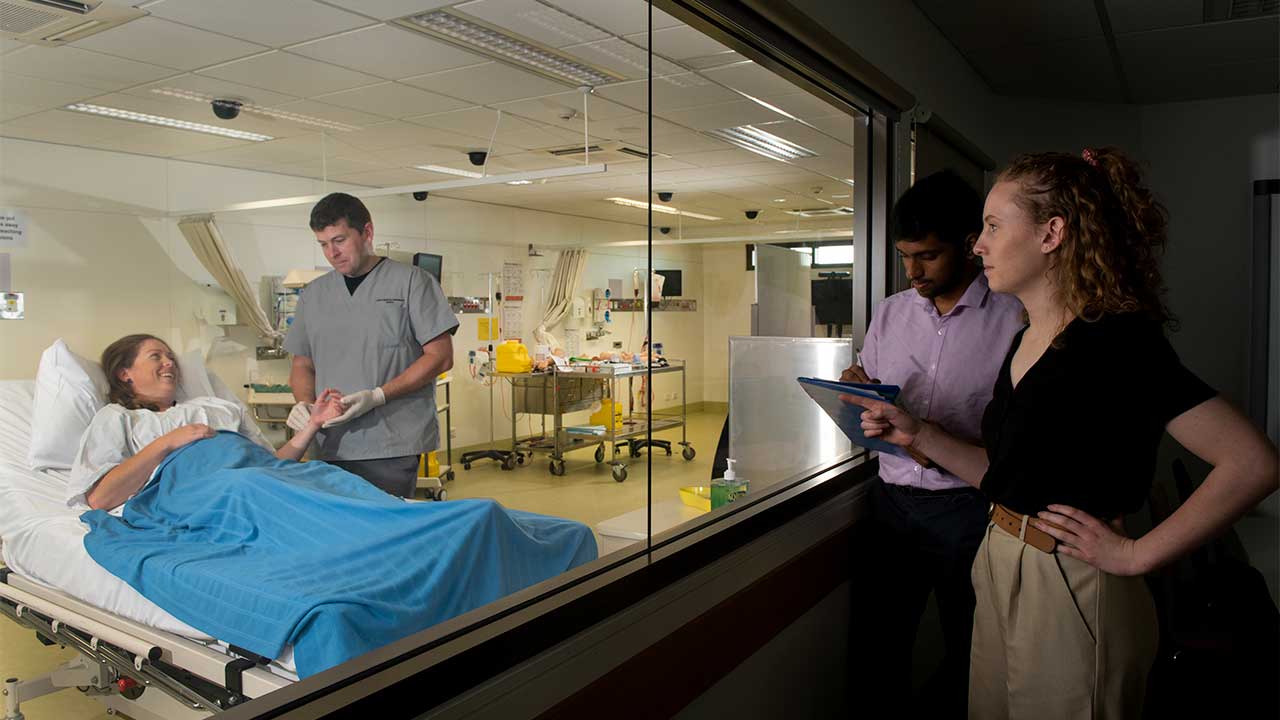

Department of Rural Health
We facilitate community engagement activities, tackle rural health challenges through research, and support undergraduate placements within our NSW footprint for domestic allied health, medicine and nursing students from Commonwealth-funded universities.

Newcastle Academy of Health Professional Development
We offer a diverse range of short courses designed by experts to help boost your professional growth in flexible learning environments.
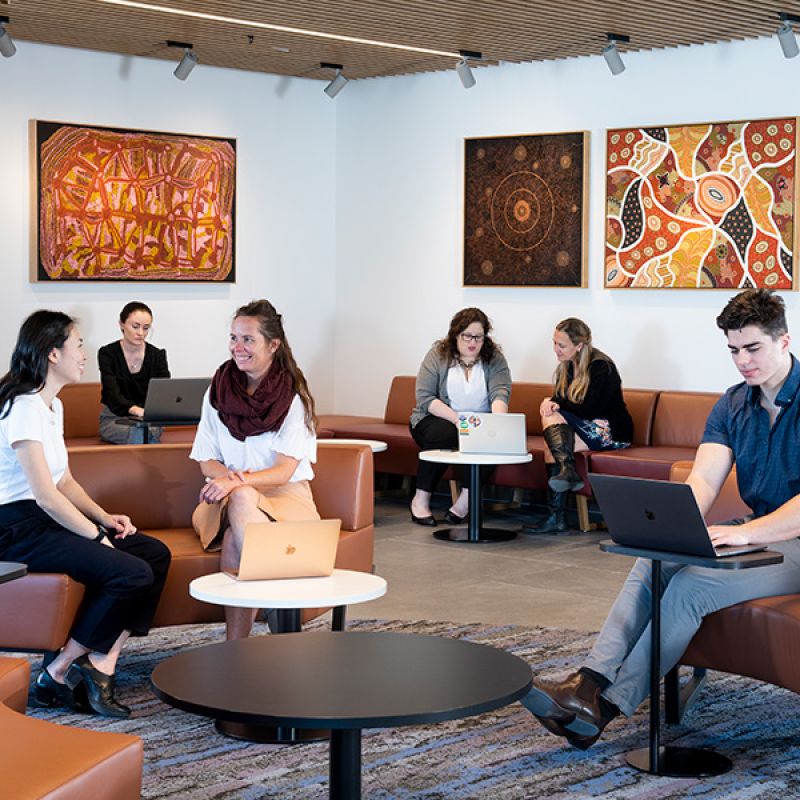
International Engagement
Through international research partnerships and our focus on creating life-ready, globally minded graduates, we proudly engage with countries across the world.
Logan's Experience with the Mariners 01:53
Career-ready placement
Our strong connections to government bodies, industry and the community enable us to transform lives, and broaden learning opportunities for our students.
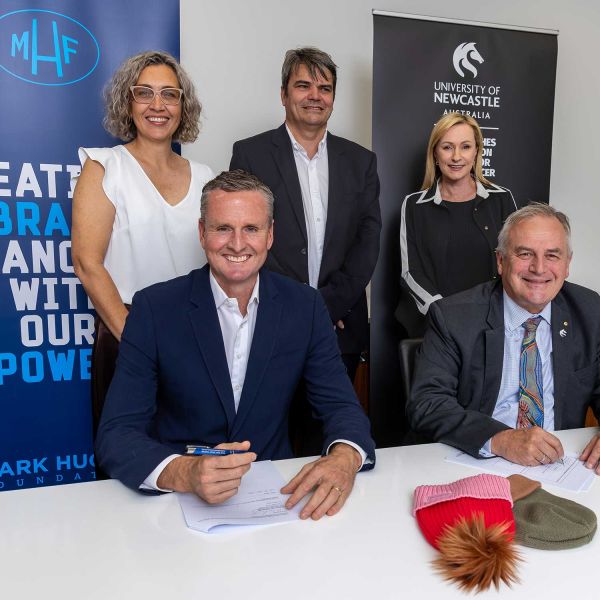
MHF commits landmark $18.9m boost to accelerate brain cancer research
A landmark $18.9 million philanthropic gift will supercharge Australia’s fight to beat brain cancer and accelerate new treatments, with the University of Newcastle and the Mark Hughes Foundation (MHF) today announcing a major expansion of their partnership.
Read more
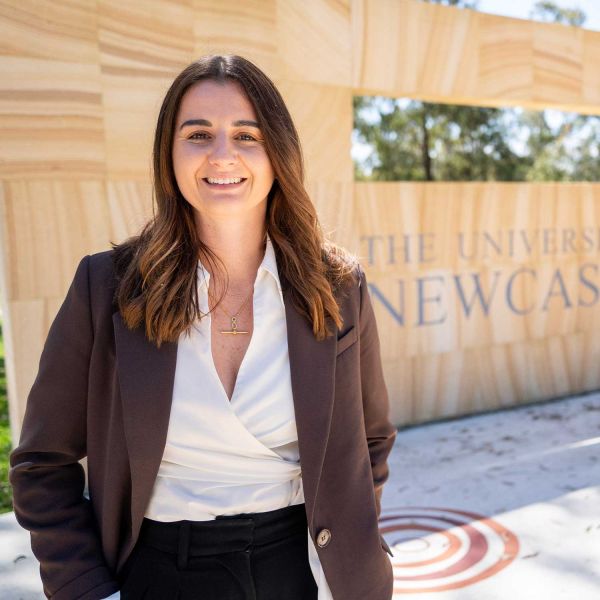
NSW research trials report outcomes for women's health: pharmacist-led UTI and oral contraceptive services
Two landmark University of Newcastle-led research trials have provided evidence on the safety and effectiveness of pharmacist-led management of uncomplicated urinary tract infections (UTIs) and oral contraceptive resupply in women – helping to facilitate timely access to care and referral to GPs when clinically needed.
Read more
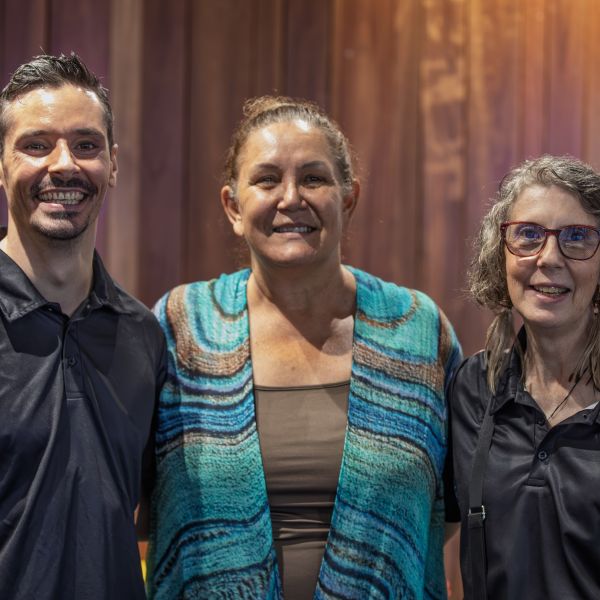
Almost $3M to transform ageing and dementia care for First Nations Elders
Indigenous-led research initiative Deadly Dreaming has been awarded a major national grant, marking a powerful step forward in reshaping how ageing and dementia care is understood and delivered for Aboriginal and Torres Strait Islander peoples.
Read more
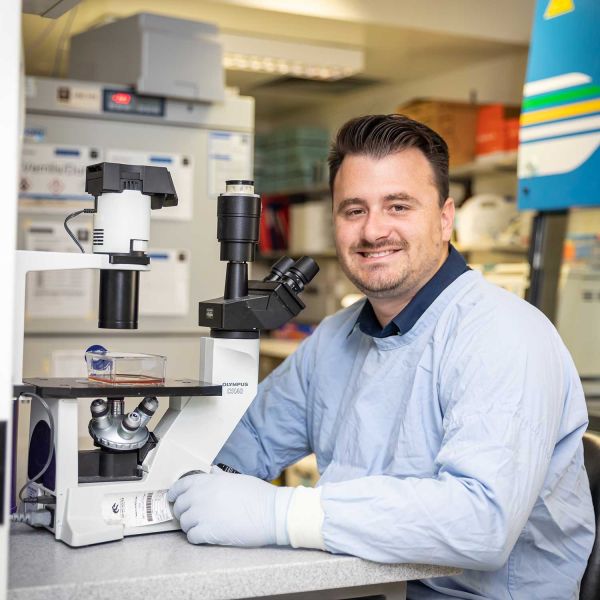
Cancer Institute Fellowship supports quest for greater understanding of DIPG triggers
A Newcastle researcher is on a mission to uncover the underlying biology of Diffuse Intrinsic Pontine Glioma (DIPG), a lethal brainstem tumour responsible for half of all childhood brain cancer deaths.
Read more
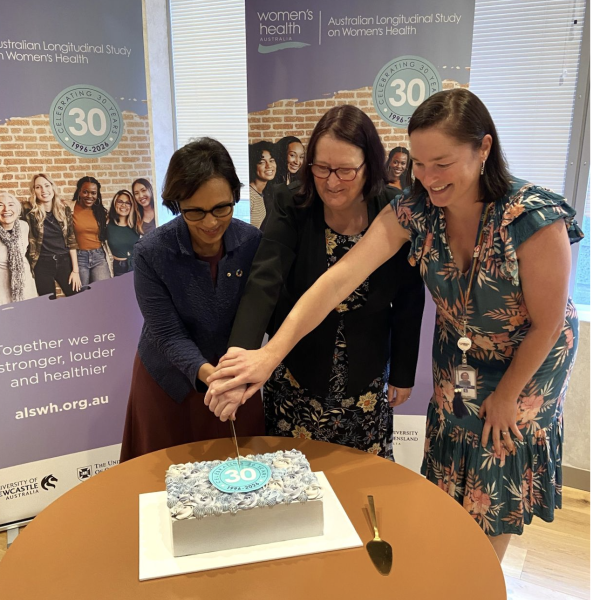
Australia’s longest-running women’s health study celebrates 30-year milestone
When a visionary study of Australian women’s health was launched in the 1990s, high-quality data was scarce and crippling conditions such as endometriosis under-recognised.
Read more

Backing Research for Childhood Brain Cancer
A new PhD scholarship to honour the legacy of the late Robert (Bob) Edwards is backing research at the University of Newcastle to develop urgent treatments for childhood brain cancer.
Read more

Master of Public Health Webinar
Join Associate Professor Tazeen Majeed to learn more about the Master of Public Health at the University of Newcastle. Gain an understanding of the program and engage in a Q&A.
Read more

Master of Midwifery Studies Webinar
Join Program Convenor Virginia Stulz to learn more about the Master of Midwifery Studies at the University of Newcastle. Gain an understanding of the program and engage in a Q&A.
Read more
The University of Newcastle acknowledges the traditional custodians of the lands within our footprint areas: Awabakal, Darkinjung, Biripai, Worimi, Wonnarua, and Eora Nations. We also pay respect to the wisdom of our Elders past and present.