
Research
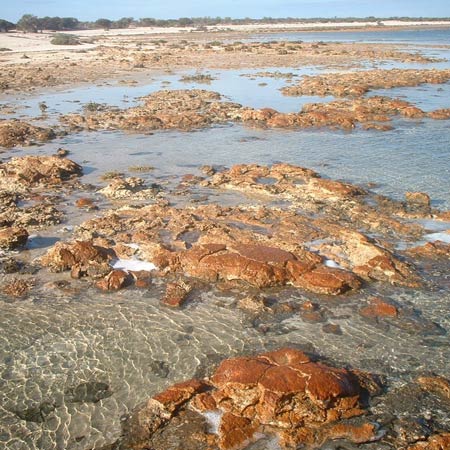
Novel ultraviolet radiation filters from extreme environments
Current synthetic ultraviolet radiation (UVR)-filtering compounds are toxic to marine life and persist in the environment for many years. Using a synthetic biology approach, we are exploring microorganisms from high UVR ecosystems, such as hot and polar deserts, as a source of novel biosunscreens that are safe for use across a variety of cosmetic, health and industrial applications.
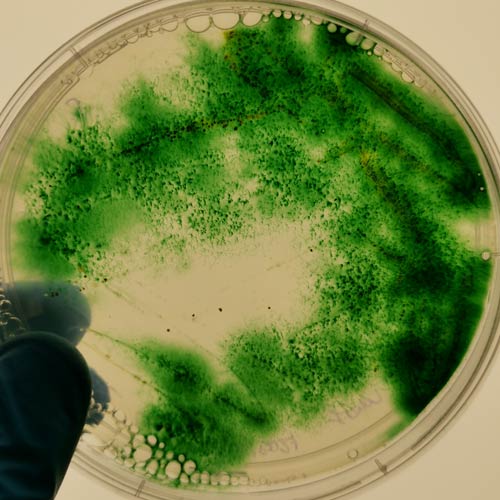
Industrial applications of cyanobacterial toxins
Cyanobacteria produce a variety of potent toxins, which pose a significant threat to food and water quality. However, due to their specific inhibition of certain eukaryotic enzymes, these toxins are also valuable research tools and drug leads. For example, the neurotoxic saxitoxins have shown clinical promise as long-lasting and non-addictive pain blockers. We are using synthetic biology to characterise, modify and express cyanotoxin biosynthesis pathways to provide a sustainable source of highly pure toxin analogues for industry and research.
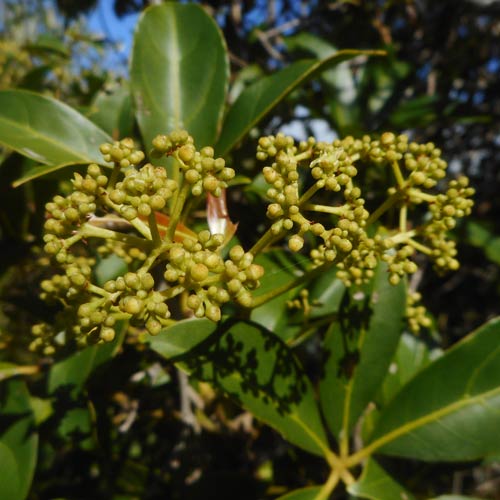
Microbial endophytes as a novel source of bioactive compounds
Plants harbour a diverse range of microbial symbionts within their tissues that promote growth and provide resistance to pests, diseases, drought, and salinity. By characterising the microbial and molecular diversity in these ‘endophyte’ communities, we aim to discover novel microorganisms, enzymes and bioactive compounds of industrial significance, including biopesticides, antibiotics, plant growth promotors, and heavy metal-binding molecules.
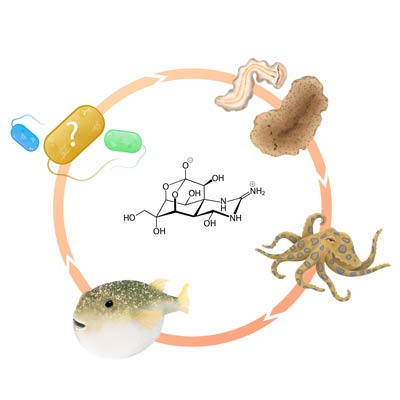
Biosynthetic hooks for enigmatic marine toxins
Many species of marine microalgae and cyanobacteria produce potent neurotoxins, some of which are transferred via the food web to fish, molluscs and other marine animals. Our integrated genomic and synthetic biology approach, targeting key biosynthesis genes, will reveal pathways for the production of these toxins. In addition to providing unprecedented insight into toxin ecology and biosynthesis, the data generated will enable improved management of seafood safety and provide a foundation for the future development of novel neuroactive diagnostic tools and therapeutics.

Global analysis of specialised metabolism in Cyanobacteria
Previous genomic studies on Cyanobacteria have focused mostly on their capacity to synthesise toxins. We are using the latest bioinformatic tools to screen for known and novel biosynthetic gene clusters. This curated dataset will be used to prioritise strains, enzymes and compounds of ecological, industrial and biomedical significance. Additionally, this investigation will advance our fundamental understanding of the natural history and evolutionary trajectory of specialised metabolism in these ancient and ecologically significant photosynthetic prokaryotes.
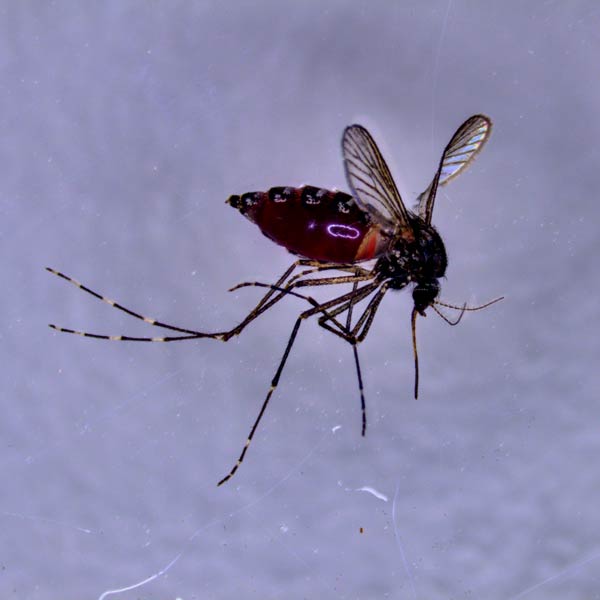
Environmentally sensitive insect control technologies
Despite the aggressive nature of Ae. vigilax and the continuous increase in Ross River Virus (RRV) transmission across Australia, there are no available reports on the biological control of either Ae. vigilax or RRV transmission. Using a synthetic biology approach, this study will investigate bacterial ‘parasites’ as potential extracellular and intracellular control agents of Ae. vigilax and RRV.
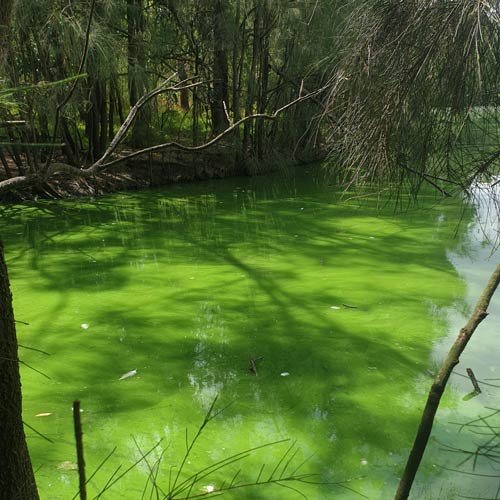
Mitigating the risk of freshwater cyanobacterial blooms
Freshwater cyanobacterial blooms impact the quality and utility of potable and recycled water, posing a significant risk to the economy, the environment and public health. To understand the causes of cyanobacterial blooms and the risk they pose, we are using the latest -omic techniques to examine how the microbial communities within these systems interact with each other and their surrounding environment to form blooms and produce toxins and other harmful metabolites. Such knowledge will inform risk assessments and strategies for the mitigation of future bloom events, improving the security of our increasingly valuable water resources.
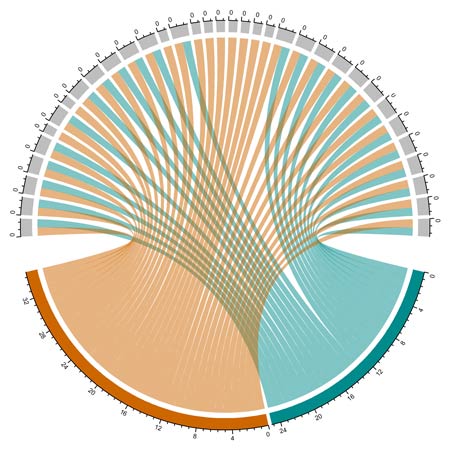
Antimicrobial and heavy metal resistance
We are currently conducting several projects that investigate how microbial communities persist in polluted environments, with a particular focus on their maintenance of antimicrobial and heavy metal resistance. Our research aims to understand not only how these communities survive but also how they thrive under such conditions. We are exploring strategies to mitigate these resistances when they pose problems, while also seeking ways to exploit these characteristics for environmental remediation and other applications.
The University of Newcastle acknowledges the traditional custodians of the lands within our footprint areas: Awabakal, Darkinjung, Biripai, Worimi, Wonnarua, and Eora Nations. We also pay respect to the wisdom of our Elders past and present.