
Research
Laureate Professor Kevin Galvin’s groundbreaking innovations are driving economic benefits and reducing environmental impacts across the global resources sector
Transforming the minerals sector to meet growing demand
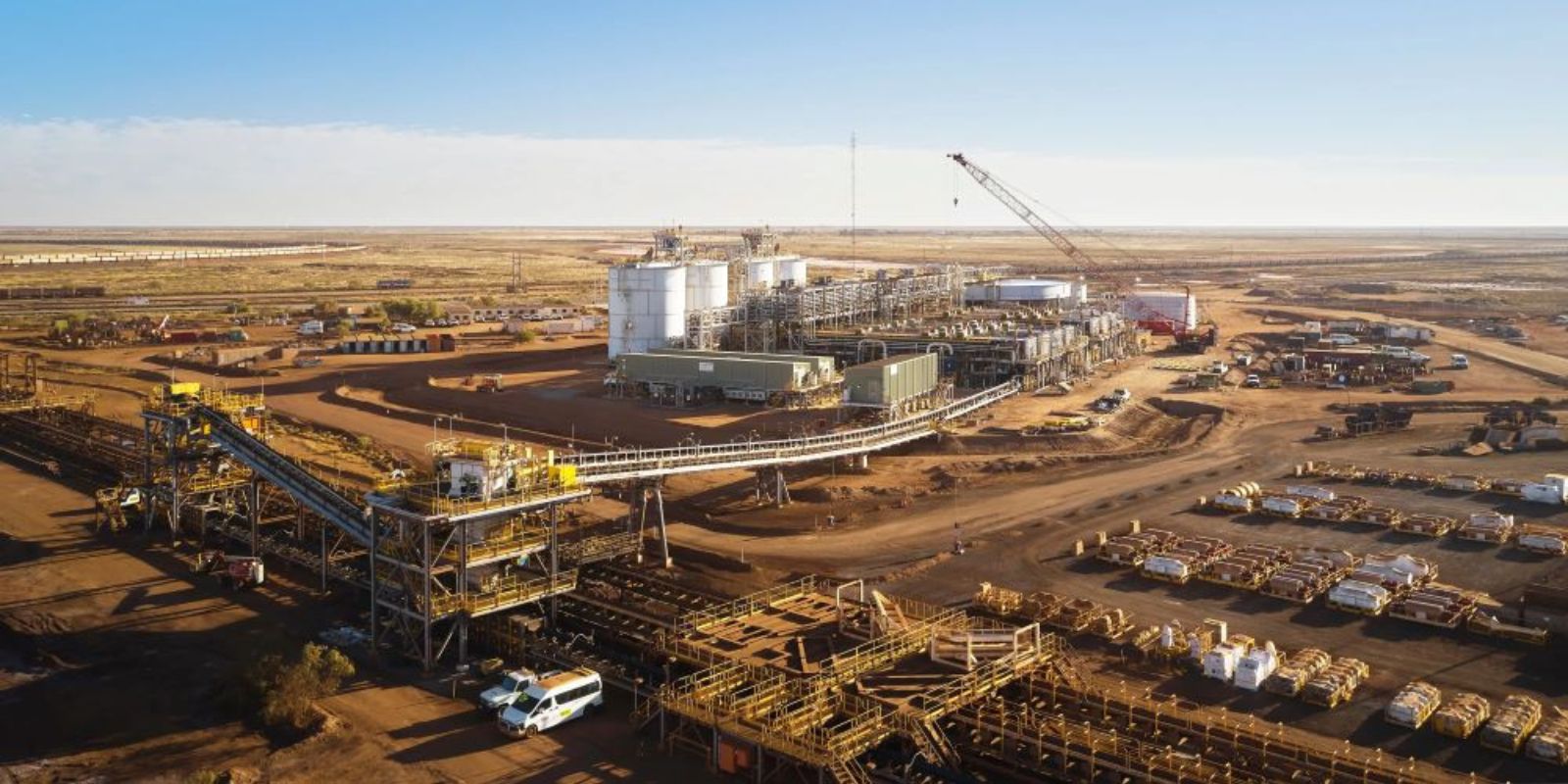
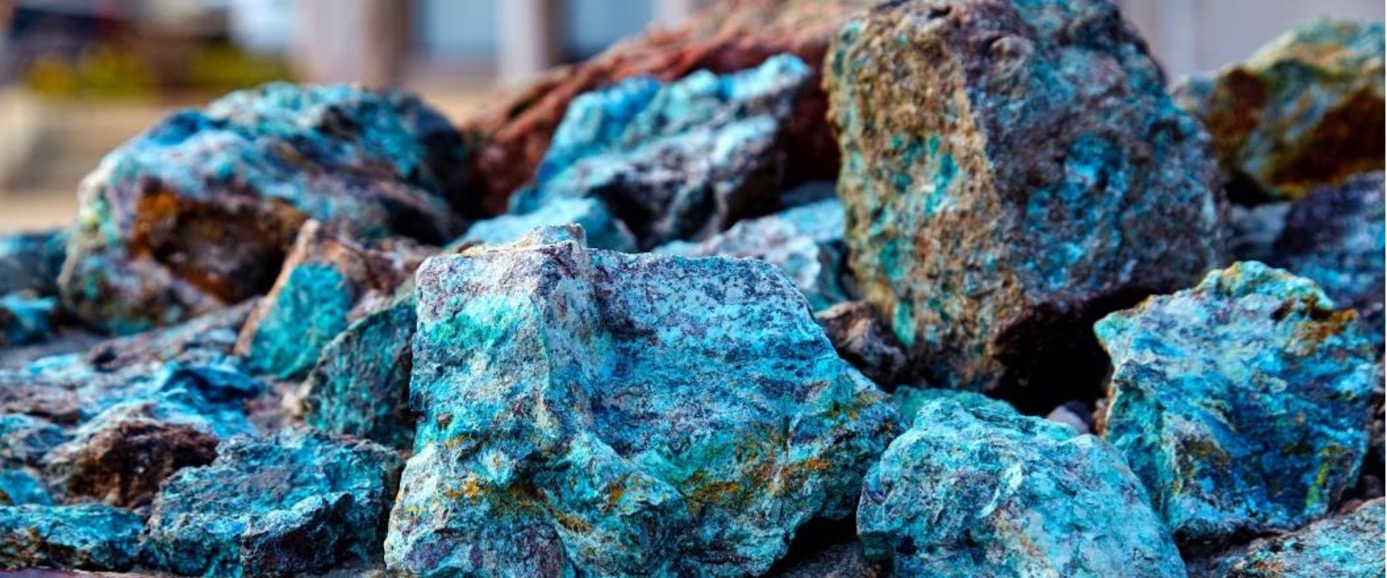
By the year 2050, our planet will be home to 9 billion people. As our population grows, so does the demand for critical minerals that support industry, technology and day-to-day living. Australia is one of the top five producers of the world’s mineral resources, which are used in everything from mobile phones to wind turbines, electric cars, solar panels, rechargeable batteries, electrical cables, paints and more.1
While demand grows, the grade of some of our more accessible ore bodies is declining. This means we need to extract minerals from deeper reserves – which is more complex, more costly and requires more access to other natural resources such as water.
Traditional process of recovering particles of high metallurgical value – known as beneficiation – needs to change to be more economical and environmentally sustainable. University of Newcastle Laureate Professor Kevin Galvin has developed a long line of innovations and collaborations designed to do exactly that.
Commercial impact: The REFLUX Classifier
One of Professor Galvin’s most successful inventions is the patented the REFLUX® Classifier (RC™) – an industrial machine that separates fine mineral particles based on either density or size.
It helps companies enhance their extraction efforts by recovering high-value product that would have otherwise been discarded as waste, while also delivering greater water and energy efficiency.
TUNRA (a wholly owned subsidiary of the University of Newcastle) connected Professor Galvin with Ludowici Australia to commercialise his research, resulting in the first installation of the RC™ on a mine site.
Research and development expanded significantly when Danish company FLSmidth & Co acquired Ludowici in 2012, resulting in a device that not only helps save the global minerals and mining industry billions of dollars but also provides significant environmental benefits.
To date, more than 240 full-scale REFLUX Classifiers have been installed in over 15 countries.
It is estimated the technology has helped process more than $75 billion worth of raw materials and delivered a net benefit of more than $7.6 billion to end users.
The REFLUX concept has since been incorporated into several other innovative products, such as the REFLUX Flotation Cell (RFC™), the GradePro™ Classifier, the Graviton Separator, and the coarseAIR™ coarse particle flotation cell.
The REFLUX Flotation Cell secured a 2023 Mining Magazine Technology Award while the GradePro™ (formally known as the REFLUX Concentrating Classifier) won the 2023 Mining Technology Excellence Award for the best new product launch.
In July 2025, Professor Galvin secured an Australian Economic Accelerator Innovation grant to further advance the REFLUX Classifier technology in partnership with FLSmidth, with the aim of improving particle separation in the mineral recovery process.
1World Rankings | Geoscience Australia March 2024
----
The RC™ device consists of a system of inclined channels attached to a conventional fluidised bed. The inclined channels permit significantly higher feed rates, with improved separation performance achieved as a result of the higher shear rates in the channels. Laureate Professor Kevin Galvin is the inventor of the Reflux Classifier, and commercialised the technology with Ludowici Australi, and later FLSmidth.
Professor Galvin received the Australian Academy of Science’s Sir Ian Wark Medal and Lecture in 2012, the Australian Academy of Technological Science and Engineering’s Clunies Ross Award in 2014, and the Australasian Institute of Mining and Metallurgy’s Mineral Industry Technique Award in 2014 in recognition of the underpinning research and industrial impact of the RC™.
The Jameson Cell
The Jameson Cell is a radically-different flotation machine that gives better performance than traditional designs. Laureate Professor Graeme Jameson has been engaged in a long-term program to improve the performance of flotation equipment for mineral and coal separations and wastewater treatment.
More than 300 cells have been sold worldwide into 25 countries, generating more than $36 billion in coal exports from Australia alone. The technology has been applied to copper, coal, zinc, nickel, lead, silver and platinum ores.
The importance of the Jameson Cell has been recognised by numerous awards.
TUNRA Bulk Solids
For over 40 years TUNRA Bulk Solids has undertaken over 4000 projects for more than 600 companies in over 40 countries worldwide.
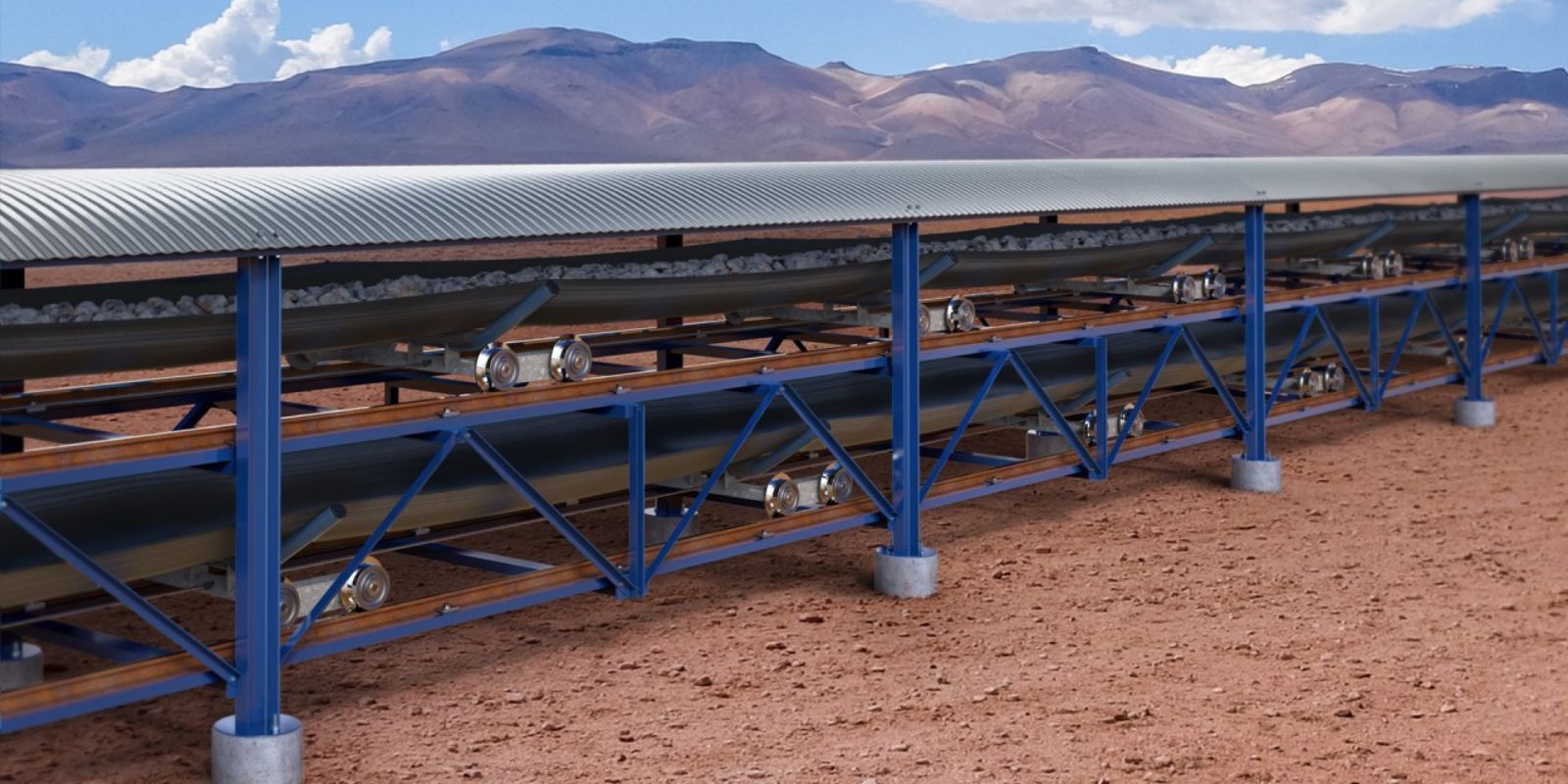
The work has led to significant changes to industrial practice both in Australia and overseas particularly in regard to the design and operation of storage systems (silos, stockpiles), feeders, in-plant conveyors (bucket elevators, screw conveyors, en-masse conveyors, pneumatic conveyors) and long distance conveyors (belt conveying and hydraulic conveying).
Resource Recovery for Solar PV Recycling
The widespread adoption of photovoltaic (PV) technology has created a significant challenge with the growing stockpiles of end-of-life (EoL) solar panels and the need to recover and reuse critical mineral components such as silver and silicon.
Despite its low weight fraction in PV modules, silver represents one of the most valuable and strategic materials for recovery. EoL panels often contain silver concentrations (300–500 ppm) comparable to or exceeding those of the cut-off grade of silver mines. Silicon, comprising nearly 90% of a crystalline solar cell’s weight, is also valuable to recover as it is critical to the functionality of crystalline silicon cells, which dominate the global market.
Current recovery methods for silver and silicon from EoL PV panels rely heavily on acid leaching. While effective, these methods are chemical-intensive, environmentally burdensome, and pose significant challenges for large-scale implementation.
Associate Professor Mahshid Firouzi is using physical rather than chemical means to separate and concentrate valuable metals for reuse in a project with industry partners KGM Services and Circular Solar Solutions.
By applying conventional mineral beneficiation techniques such as froth flotation, the project aims to reduce the reliance on aggressive chemical treatments and offer a much more economical, safer and more environmentally responsible alternative for solar panel recycling.
Based on current results, this method is expected to offer a more scalable and sustainable solution, improving the economic viability of resource recovery. Results show a 20 fold upgrade of silver with 95% recovery, suggesting that downstream processing requirements could be reduced by a factor of 20.
The proposed technology has been filed as a provisional patent, and results will soon be made publicly available.
Silver is extracted from PVs in a series of steps:
- the PV wafer, as received from industry, is ground into a relatively fine powder
- ‘flotation separation’ beneficiation methods are used to recover the minerals/ metals, mimicking the way silver and silicon particles can be recovered from natural ores on mine sites today
- the effectiveness of the mineral recovery can then be determined
Recovering Tin from Tailings
With future advancements, smart devices will soon operate autonomously through the Internet of Things (IoT). Device connectivity depends on solder, a tin-based alloy, often called the 'glue of the IoT' to secure connectivity.
Tin has been used for over 4,000 years in alloying, metal coating, and is widely used in solder production for electronic devices. In 2023 the Australian government even declared tin a strategic metal. Despite its importance, the world is facing a shortage of tin.
Research being overseen by Laureate Professor Kevin Galvin is being conducted in collaboration with the Ardlethan mine in NSW, focuses on addressing this challenge by reprocessing tin tailings as high-grade deposits become scarce. The mine’s tailings dam is estimated to hold approximately $2 billion worth of tin, representing a 40-year-old intractable problem due to the presence of slimes, which limit conventional processing technologies.
In collaboration with the mine, the REFLUX® Classifier (RC) - an advanced beneficiation technology - is being used to recover valuable cassiterite (tin) from tailings.
Findings from the research have shown tin recoveries exceeding 50% from a low feed grade of 0.32 wt.% tin, with the finest portion achieving a final grade exceeding 40 wt.%. Future work holds the potential to increase the tin grade to a saleable 50 wt.%.
This partnership offers potential economic gains, aligns with the goals of sustainable resource management and presents global opportunities for recovering minerals from mining waste.
The University of Newcastle acknowledges the traditional custodians of the lands within our footprint areas: Awabakal, Darkinjung, Biripai, Worimi, Wonnarua, and Eora Nations. We also pay respect to the wisdom of our Elders past and present.