

How injury shaped a passion for sport and psychology
For Taylah Morgan, sport has always been about more than physical activity. Growing up playing soccer, touch football, OzTag and basketball, she experienced firsthand how sport can build confidence, strengthen social connections, and support mental wellbeing. But it wasn't until a serious injury changed her own sporting journey that she began to understand just how closely physical recovery and psychological wellbeing are connected.
In 2023, Taylah ruptured her ACL while playing touch football. Being unable to participate in a sport that had played such a significant role in her identity, social connections and wellbeing was challenging. While physical rehabilitation was central to her recovery, navigating the psychological challenges of being sidelined proved even more difficult.
The experience prompted Taylah to think about how other athletes manage the mental impact of injury and the challenges of returning to sport, particularly women, who experience high rates of ACL injuries.
“It made me realise how difficult it can be to lose an outlet that has been part of your life for so long,” Taylah says.
“I wanted to understand both the physical and psychological aspects of sport, rather than viewing them as separate areas.”
When Taylah discovered she could combine a Bachelor of Exercise and Sport Science with a Bachelor of Psychological Science at the University of Newcastle, she knew it was the right fit. The double degree allows her to deepen her understanding of how physical and psychological factors influence sporting performance and overall wellbeing, while keeping a range of future career pathways open.
As a first-year student, Taylah has enjoyed meeting like-minded people and exploring two fields she is passionate about. She attends psychology classes at Callaghan and studies Exercise and Sport Science at Glendale, where practical learning brings her studies to life. Outside the classroom, she enjoys staying active at the NUsport gym at Harbourside.
Like many students adjusting to university life, Taylah is learning to balance assessments and deadlines with work, extracurricular activities, and her personal life. Establishing a routine that works for her has been key, allowing her to make time for family and friends, running, the gym and trips to the beach.
While she is still exploring where her studies might lead, Taylah is particularly interested in sport psychology and the psychological side of injury rehabilitation. Her own experience has shaped her ambition to help create a sporting culture where mental health is valued just as highly as physical performance.
“I would love to contribute to an environment where athletes feel supported not only in their physical development, but also in their mental health and personal growth,” she says.
For Taylah, the benefits of physical activity extend well beyond elite sport. She believes it can improve confidence, foster meaningful connections, and support overall wellbeing. In the future, she hopes to help people overcome barriers to participation and experience the positive impact of staying active and connected to their communities.
Taylah’s advice to future students is to stay organised, establish a routine that works for them, and make the most of the opportunities available at university. She also encourages anyone considering the double degree to remain open to the possibilities.
“Exercise and Sport Science and Psychology are fascinating fields individually, but studying them together allows you to explore the connections between physical activity, mental health and human performance. There are so many potential career pathways, and you don't need to have everything figured out before you start.”
With her personal experience driving her curiosity, Taylah is excited to deepen her knowledge, gain practical experience and discover how she can use her studies to make a meaningful difference to athletes and the wider community.
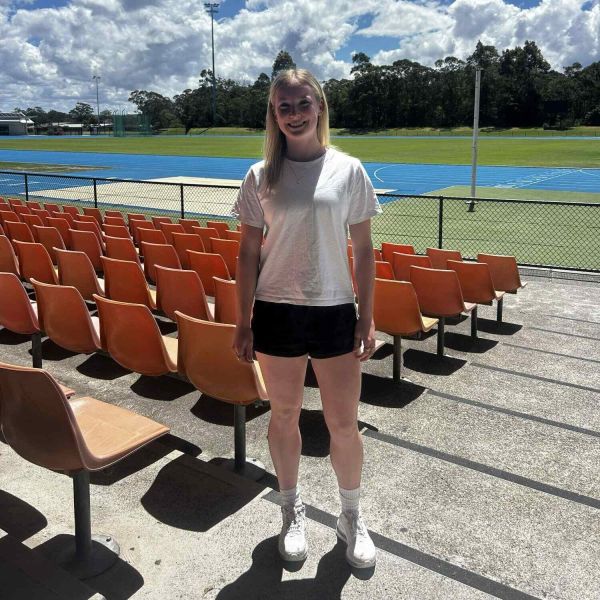
Taylah Morgan
Inspired by her own sporting experiences, Taylah Morgan is combining her interests in exercise and psychology to better understand the relationship between physical activity and mental wellbeing, with aspirations to support athletes through injury recovery and beyond.
I wanted to understand both the physical and psychological aspects of sport, rather than viewing them as separate areas.
Inspired by Taylah's story?
Study a Bachelor of Exercise and Sport Science / Bachelor of Psychological Science today
The University of Newcastle acknowledges the traditional custodians of the lands within our footprint areas: Awabakal, Darkinjung, Biripai, Worimi, Wonnarua, and Eora Nations. We also pay respect to the wisdom of our Elders past and present.