

Designing for recovery: architecture in a changing climate
Master of Architecture student Mackenzie grew up in the bushland of the Southern Highlands before moving to Newcastle in 2020 to begin her architectural studies. She was attracted to the program’s blend of creative thinking and hands-on practical work. “I always had a balance between strengths in creativity alongside more practical aspects.” Her interest in architecture began early, watching her dad work in his home studio, seeing drawings, mark-ups and real design problems unfold in front of her.
Mackenzie enjoy’s the landscape and campus environment at the University of Newcastle. “I love that the University is a bushland campus…it felt so much more appealing than the big city campuses of Sydney,” she says. She was especially drawn to the Architecture Design Studio, calling it “such an amazing asset of the University of Newcastle….a great space for learning architecture.”
This strong connection to place has shaped her exhibition project, Unprecedented: architecture of ecologies in bushfire landscapes, which explores how design can support ecological recovery in regions affected by increasingly severe fire regimes. Mackenzie experienced the 2019-2020 Black Summer fires in New South Wales (NSW) and Victoria (VIC) firsthand when her family’s property was burnt. “I watched the landscape recover over time and this research really began with what the impacts were of such an extreme wildfire.”
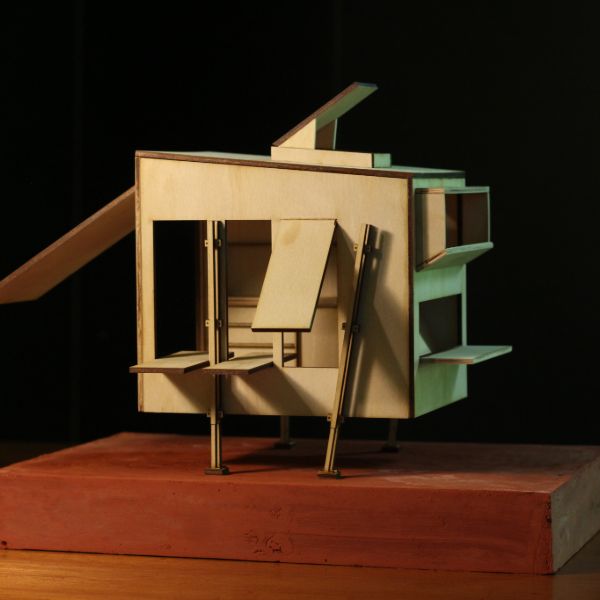
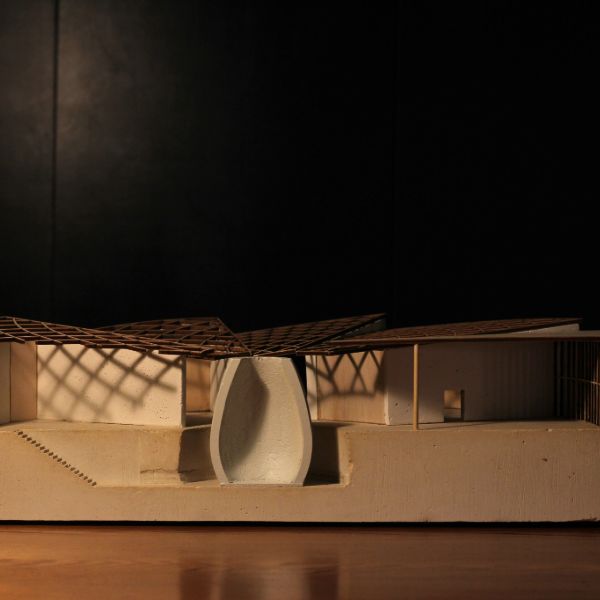
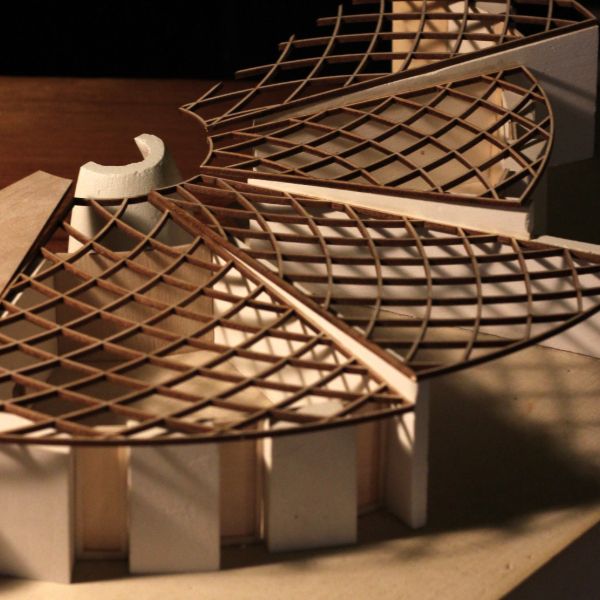
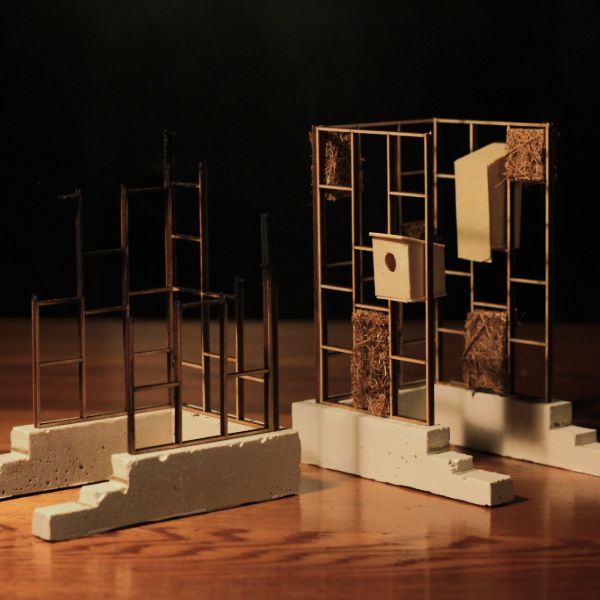
Her project proposes a central ‘mothership’ structure that houses a seed bank, nursery, and research facilities, deploying mobile pods that collect ecological data, provide temporary habitat, and support replanting efforts. The concept evolved from a fourth-year studio with Senior Lecturer Dr Irene Perez Lopez, whose guidance Mackenzie describes as “really inspiring.”
Throughout her degree, Mackenzie has valued the University’s strong emphasis on sustainability and designing with Country. “The focus on sustainability and Country in the University of Newcastle’s Master of Architecture degree stands out from others in NSW,” she says. “This sets up a great graduating cohort that will stand out in our field.”
Industry experience has also been a key part of her journey. After completing her bachelor’s degree, Mackenzie worked full-time at AMC Architecture in Canberra, before continuing in a remote casual role during her master’s. She has also benefitted from the Visiting Architects and Experts Program, which “has been fantastic… we have been able to see and speak with a range of professionals, both locally and internationally,” she shares.
Seeing the work produced by her peers for the end of year exhibition gives her confidence in the future of the profession. Across all the projects is a universal understanding of the importance that should be placed on considering the impact our industry currently has on the environment.”
For future postgraduate students, her message is raw and honest “My only advice would be to really try your best to balance the study with other outlets. Give yourself time to breathe and appreciate the life outside of just study.”
Unprecedented: architecture of ecologies in bushfire landscapes - Mackenzie Beets
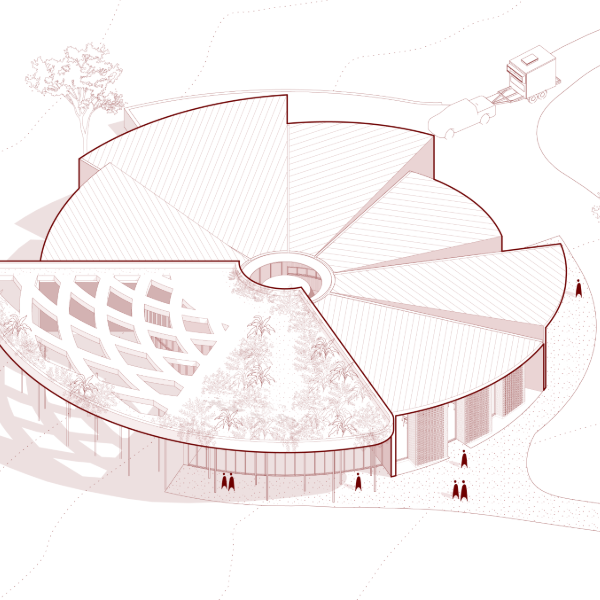
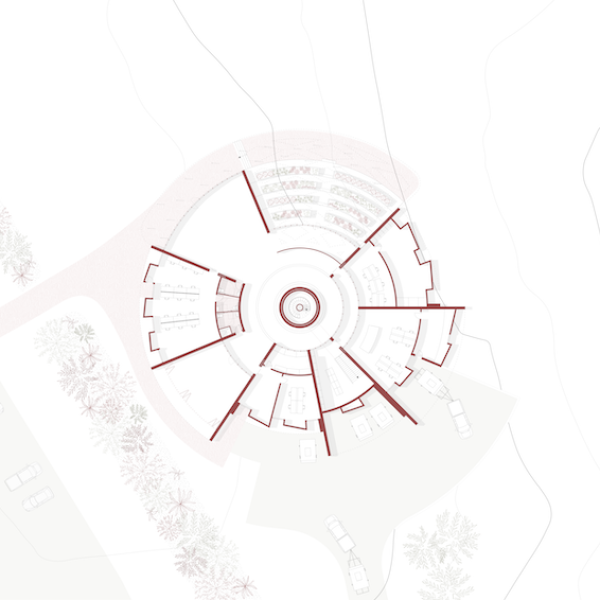

Mackenzie Beets
Master of Architecture student Mackenzie explores how design can support ecological resilience in the wake of extreme bushfires.
I would hope that the project encourages people to consider the ways in which architecture can begin to address the imbalance we currently experience between humans and nature.
Inspired by Mackenzie's story?
Study a Master of Architecture today
The University of Newcastle acknowledges the traditional custodians of the lands within our footprint areas: Awabakal, Darkinjung, Biripai, Worimi, Wonnarua, and Eora Nations. We also pay respect to the wisdom of our Elders past and present.