Impact

Share this topic

Environment

We can help frogs beats a deadly disease. But can they still reproduce?

by Rose Upton (Lecturer in Biotechnology), Alex Callen (Post-doctoral Researcher) and Anne Ibbotson (HDR Candidate)

Many people are blissfully unaware the world’s frogs and amphibians are fighting their own deadly pandemic. In fact, this fungal disease – chytridiomycosis, or chytrid for short – is the worst wildlife disease on record.

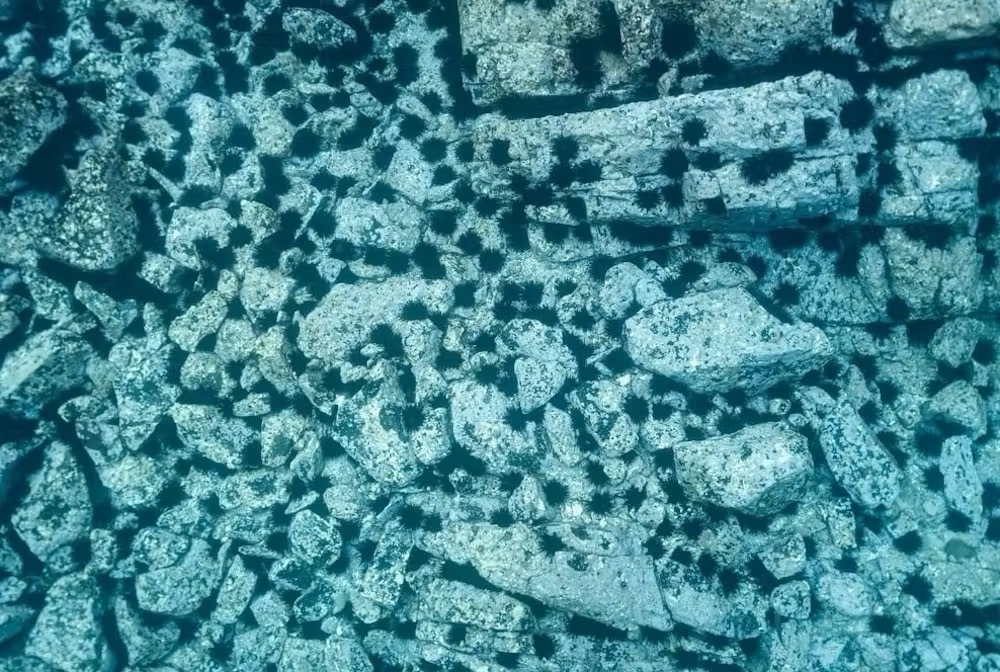
Why the story of urchin barrens and kelp forests is more complex than we thought

Environment

Why the story of urchin barrens and kelp forests is more complex than we thought

by Jeremy Day, Research Affiliate in Marine Ecology

It’s not hard to find a long-spined sea urchin (Centrostephanus rodgersii) on rocky walls and in underwater forests comprised of golden kelp (Ecklonia radiata) and crayweed (Phyllospora comosa) in southeast Australia.
The Pacific Islands are changing. What happens to cultural heritage when the people have to leave?

Arts, Culture and Society

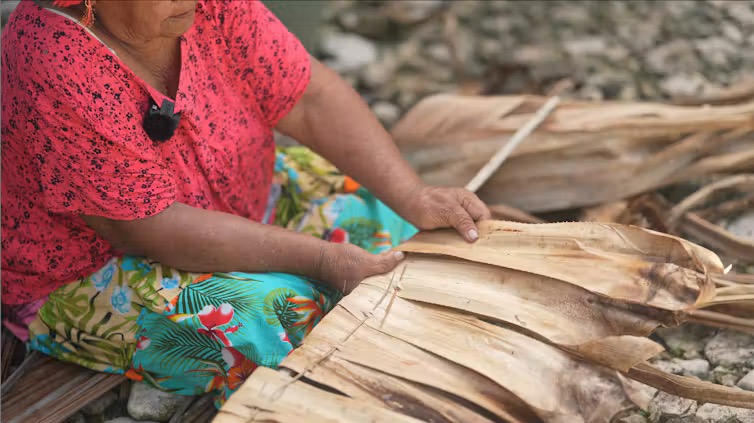
The Pacific Islands are changing. What happens to cultural heritage when the people have to leave?

by Thomas Cooper Johnson (Lecturer, Construction Management and Disaster Risk Reduction) and Nicholas Foulcher (Senior Lecturer in Architecture)

On Lakena, a small, uninhabited islet in the Pacific nation of Tuvalu, a lone church stands among the coconut palms and pandanus trees.
Introduced species aren't good or bad. But when they slip from our control, we are quick to condemn them

Environment

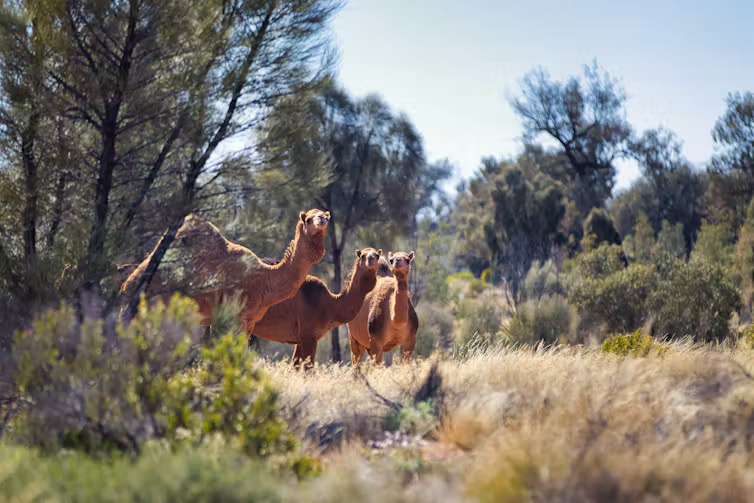
Introduced species aren't good or bad. But when they slip from our control, we are quick to condemn them

by Nancy Cushing, Associate Professor, School of Humanities and Social Science

In George Orwell’s 1945 allegorical novella Animal Farm, pigs coach the other revolutionary farm animals in their new creed of Animalism using the memorable maxim: four legs good, two legs bad.
Safe havens protect Australian mammals from invasive predators. Why aren’t they working for other animal groups?

Environment

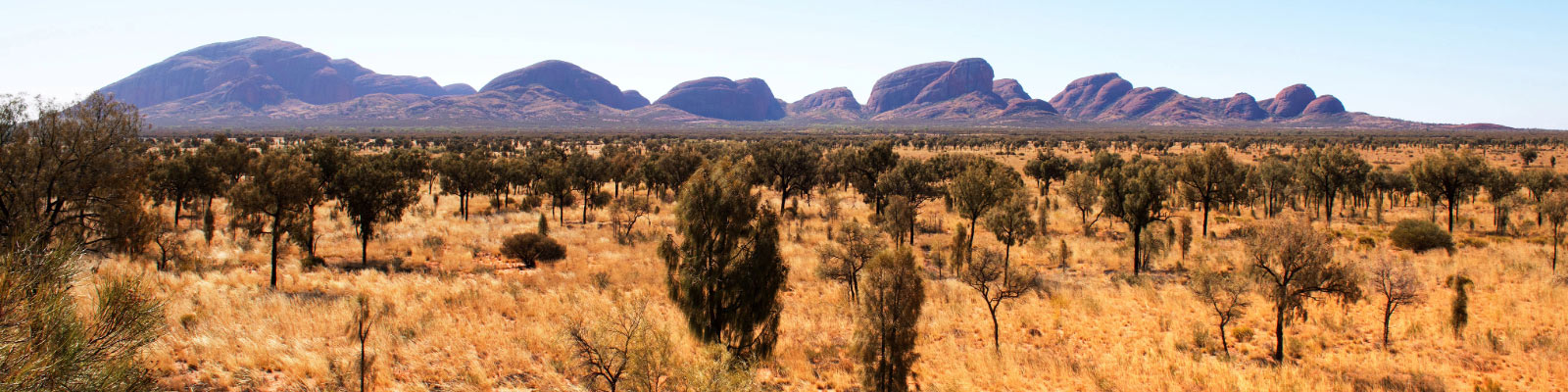
Safe havens protect Australian mammals from invasive predators. Why aren’t they working for other animal groups?

by John Gould, Senior Research Assistant in Conservation Biology

Feral cats and foxes now roam across almost all of Australia. These predators are a major reason why many species have been driven to extinction.

Girls to the front

Science and Technology

Girls to the front

by Rosemarie Milsom

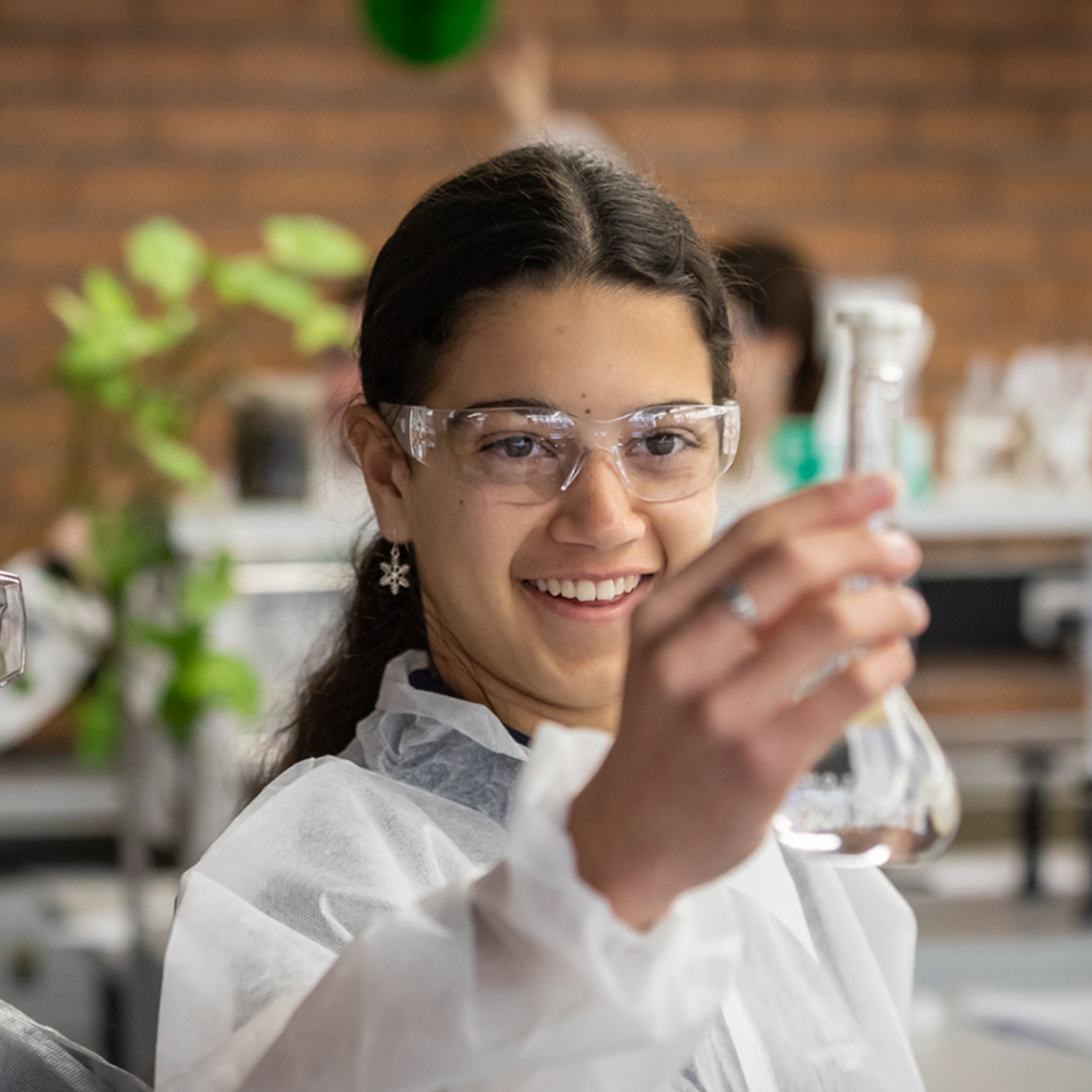
Female high school students in the Hunter are being inspired to pursue meaningful careers in STEM thanks to a unique program created over a conversation at a campus cafe.

The secret lives of Sugarloaf koalas

Environment

The secret lives of Sugarloaf koalas

by Penny Harnett

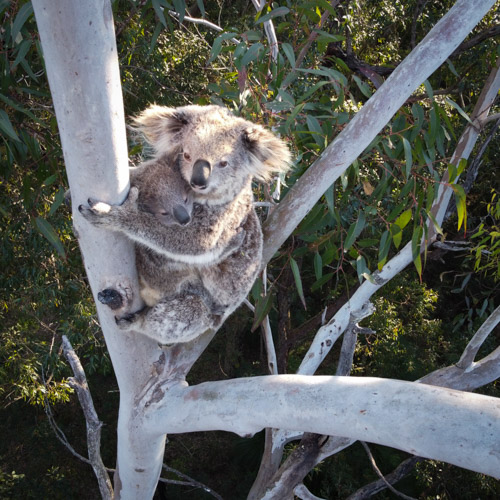
“Tree stars” in the night sky revealed a hidden koala colony, nestled deep within Sugarloaf’s bushland.

Tackling the chemicals we can’t see: PFAS

Environment

Tackling the chemicals we can’t see: PFAS

by Penny Harnett

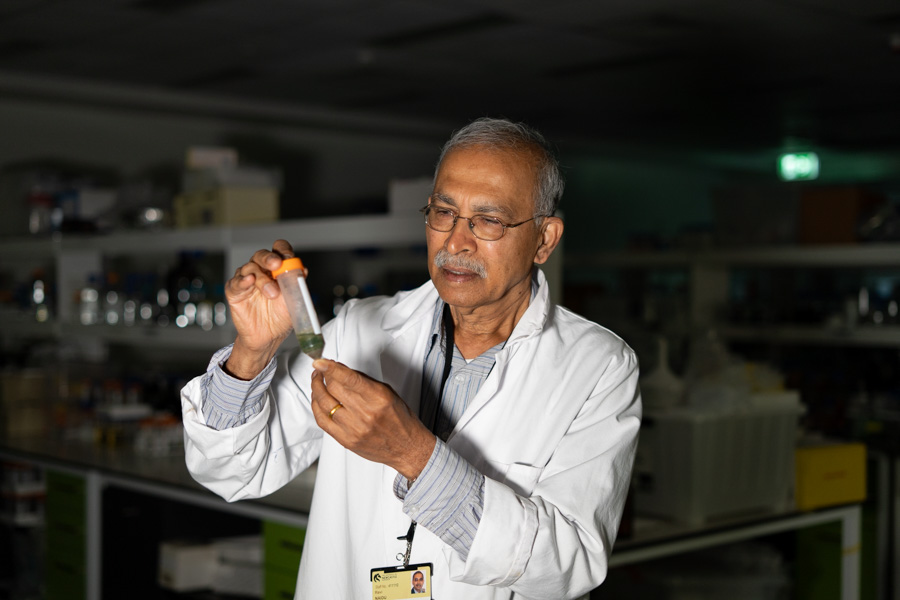
PFAS contamination is persistent, but so is the determination of scientists working on solutions to remediate it.

“I thought I was a bad mother”: How telehealth changed a young boy’s life and gave a family hope

Health and Wellbeing

“I thought I was a bad mother”: How telehealth changed a young boy’s life and gave a family hope

by Rosemarie Milsom

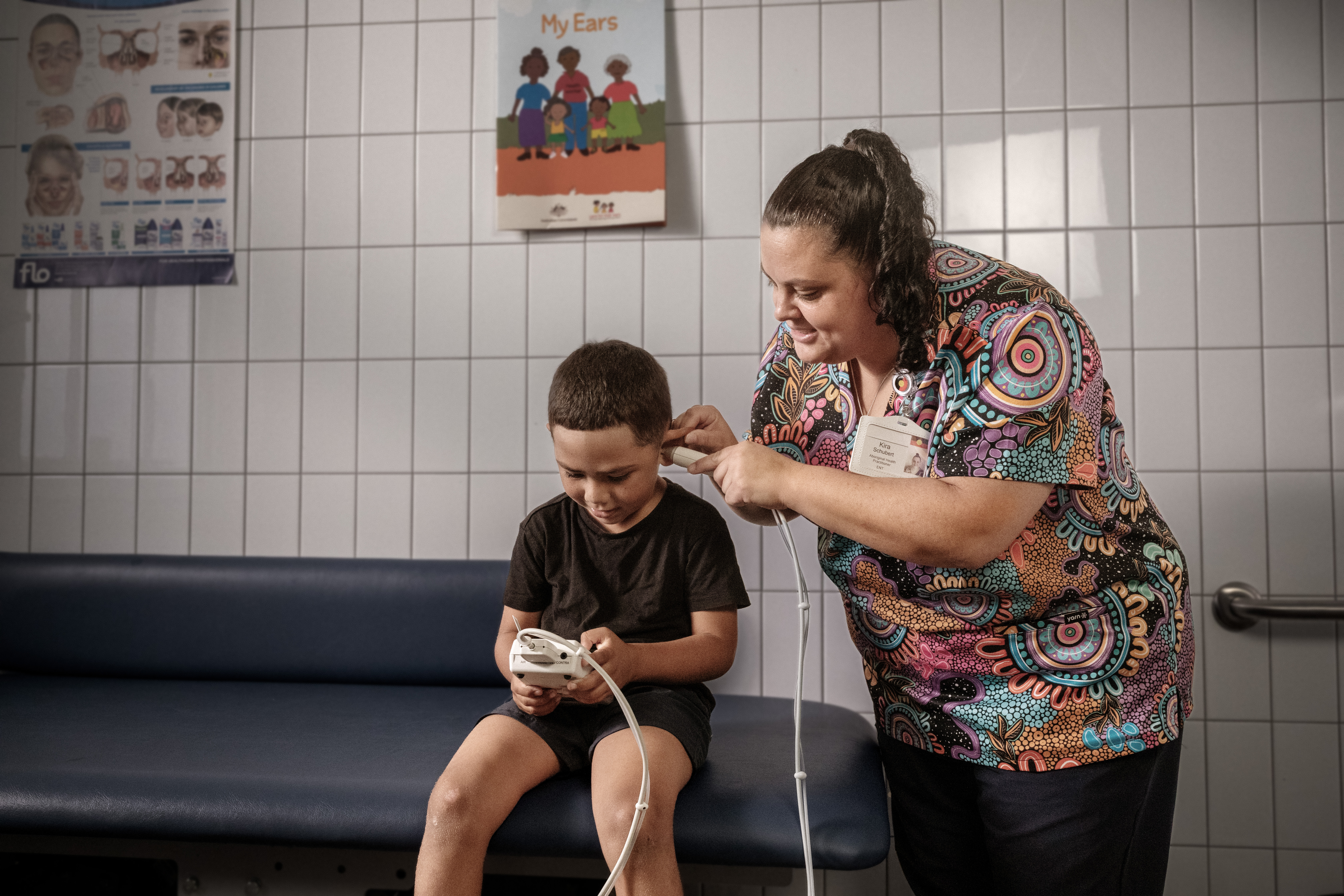
“I thought I was a bad mother,” says Marlie Matthews, tearfully. “I tried everything, but Marcus was getting more and more behind. He wasn’t speaking much and when he did, I couldn’t understand him. It was very hard on all of us.”

We knew offshore detention was bad for the mental health of people seeking asylum. Our new research shows exactly how bad

Health and Wellbeing

We knew offshore detention was bad for the mental health of people seeking asylum. Our new research shows exactly how bad

by Belinda Liddell, Daphne Keats Chair in Cross-Cultural Psychology (University of Newcastle), & Adjunct Professor, School of Psychology (UNSW), Phillipa Specker, Postdoctoral Research Fellow at the Refugee Trauma and Recovery Program (UNSW), and Angela Nickerson, Professor & Director, Refugee Trauma and Recovery Program (UNSW)

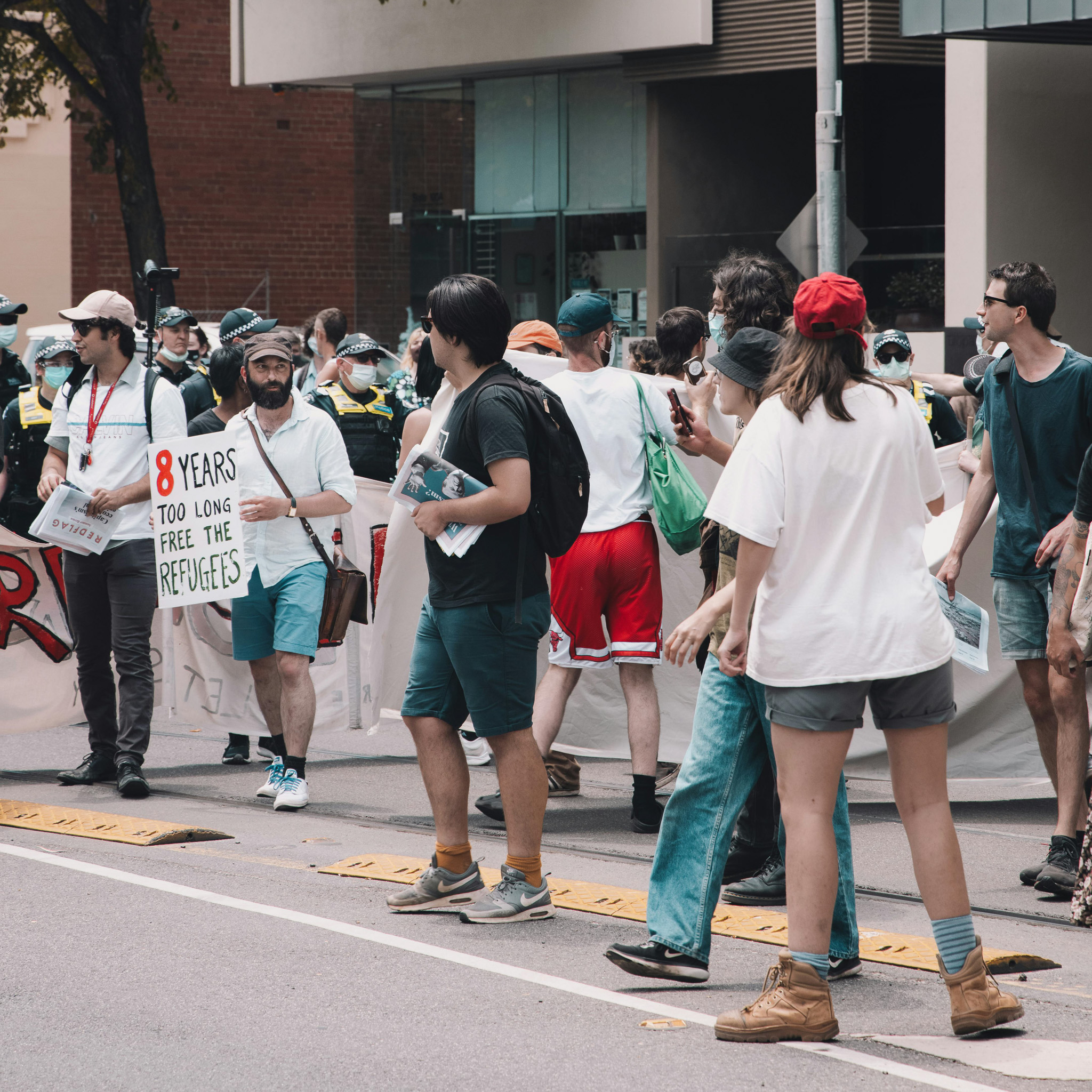
For more than a decade, mandatory offshore detention has been a cornerstone of Australia’s strategy to deter people who arrive by boat to seek asylum.

Conservative governments protect more land while socialists and nationalists threaten more species

Busines, Law and Politics

Conservative governments protect more land while socialists and nationalists threaten more species

by Matt Hayward, Professor of Conservation Science, School of Environmental and Life Sciences, Andrea Griffin, Associate Professor in Wildlife Conservation Science, School of Environmental and Life Sciences, and Jacob Jones, PhD Candidate in Conservation Politics, School of Environmental and Life Sciences

The dire state of biodiversity across the globe suggests not all governments are willing to act decisively to protect nature. Why is that the case, and is a country’s political ideology a factor?

Bold climate action benefits more than just the environment - it's also great for business

Busines, Law and Politics

Bold climate action benefits more than just the environment - it's also great for business

by Sudipta Bose, Senior Lecturer in Accounting at the Newcastle Business School (University of Newcastle) and Syed Shams, Associate Professor in Accounting and Finance (University of Southern Queensland)

As the world grapples with the intensifying challenges of climate change, businesses are under increasing pressure to take action.

Load more stories